Jonathan Wright
Series 5 Episode 6
The Craft of Globemaking with Jonathan Wright
Series 5 Episode 6
Available on all major podcast platforms: click the icons or hit 'play' to listen now.
In this episode, Jerry meets master craftsperson, globemaker and conservator Jonathan Wright. Jonathan brings with him a twelve-inch celestial globe produced by Scottish firm James Kirkwood & Sons from 1810.
For Jonathan, this globe marks a significant career milestone: it was the first one he ever restored. In his discussion with Jerry, we hear about some of the intricate conservation methods he used, the challenges he encountered - and the rather peculiar items he discovered inside the globe…
Jerry also explores Jonathan's professional journey. We hear about his personal motivations, dream commissions, and the artistic and historical influences that shape his work and practice. Above all, Jonathan reflects on the profound personal meaning for him in keeping this essential traditional craft alive.
View the globe in detail below while you listen.
All images unless otherwise stated are ©Jonathan Wright.
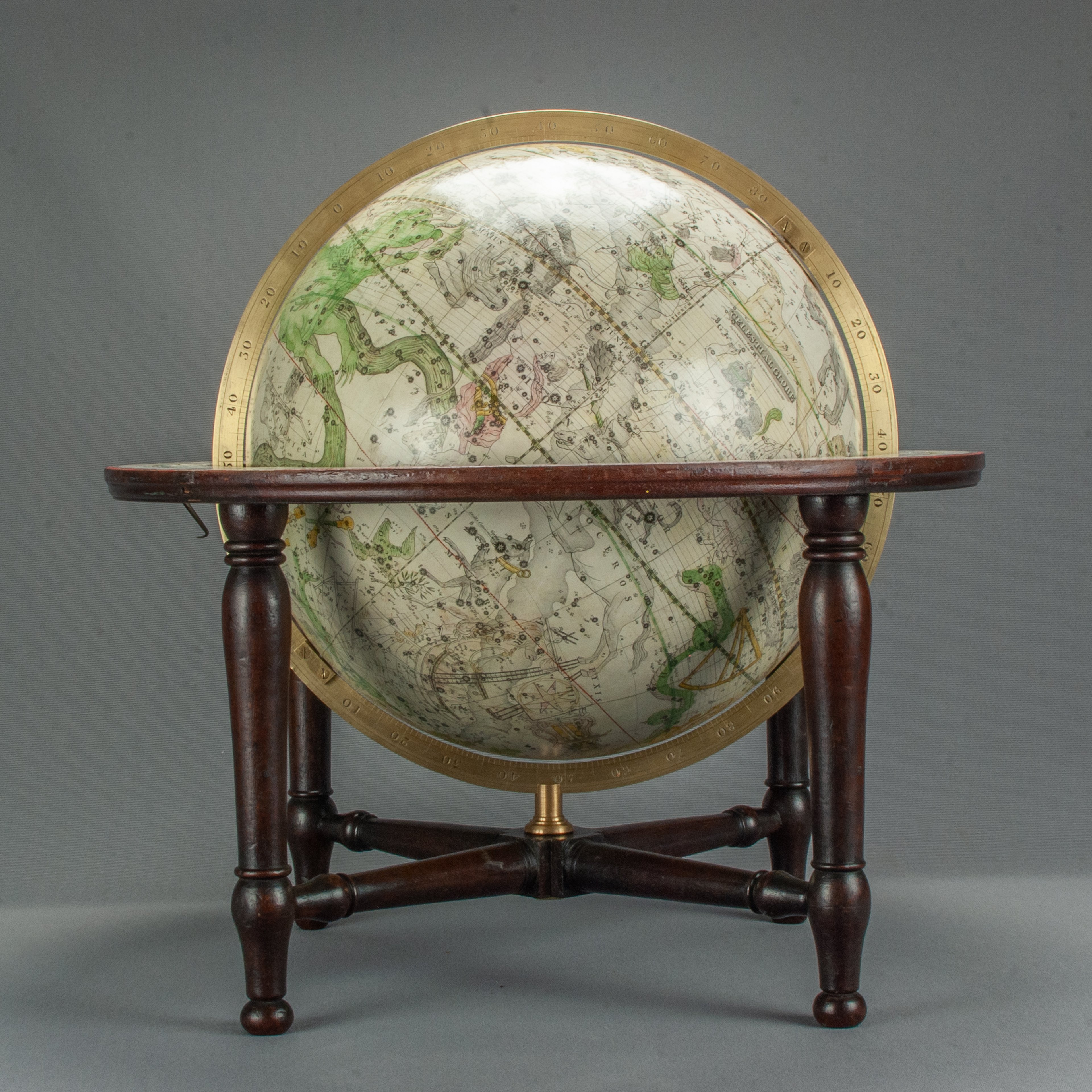
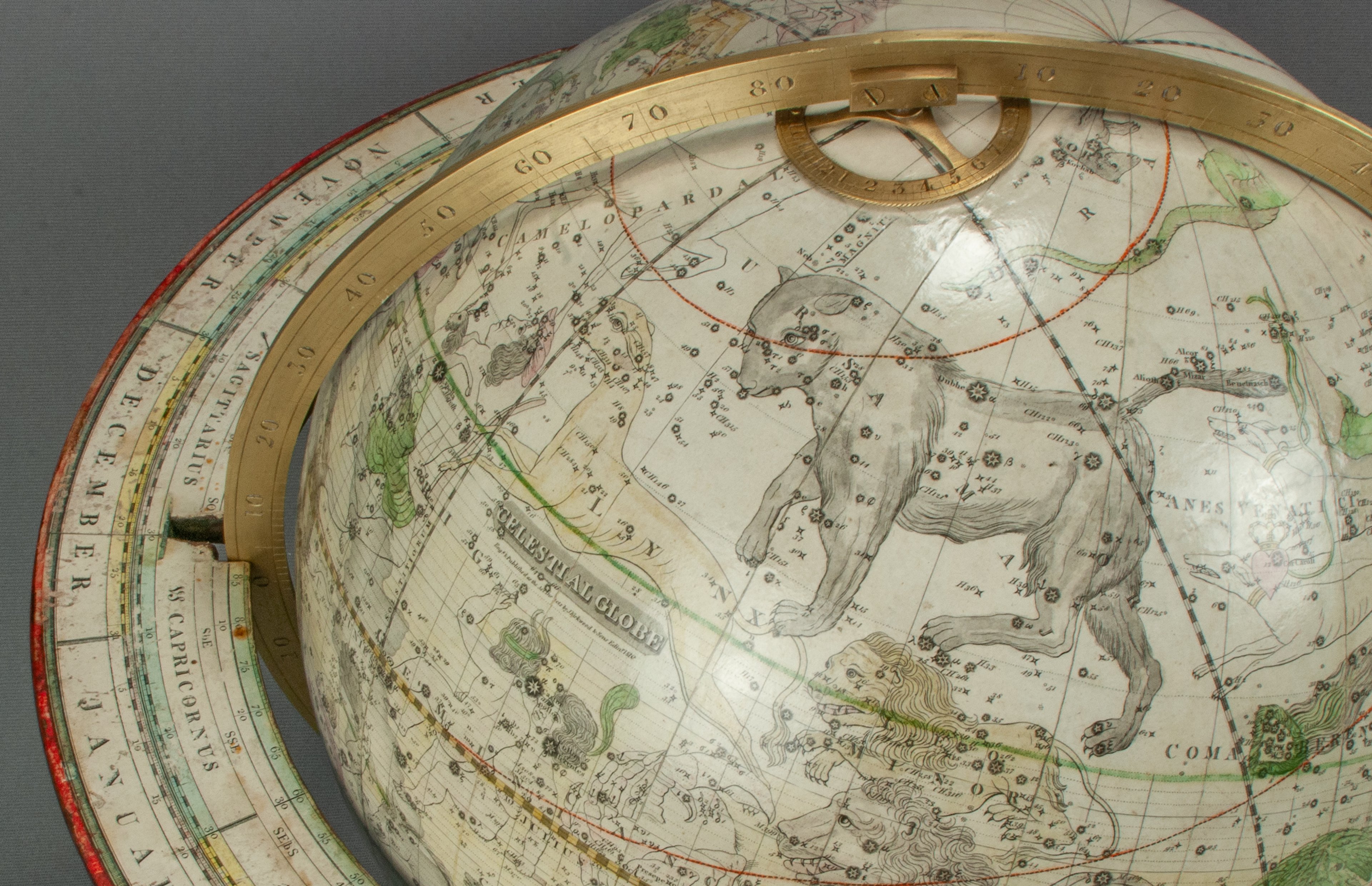
This stunning 12-inch celestial table globe was crafted in 1810. It depicts the heavens from a geocentric perspective, meaning that the stars and constellations appear in reverse, as if viewed through the celestial sphere from Earth. This is why, as Jonathan explains, you will often find the figures and beasts on these globes with their backs turned towards you.
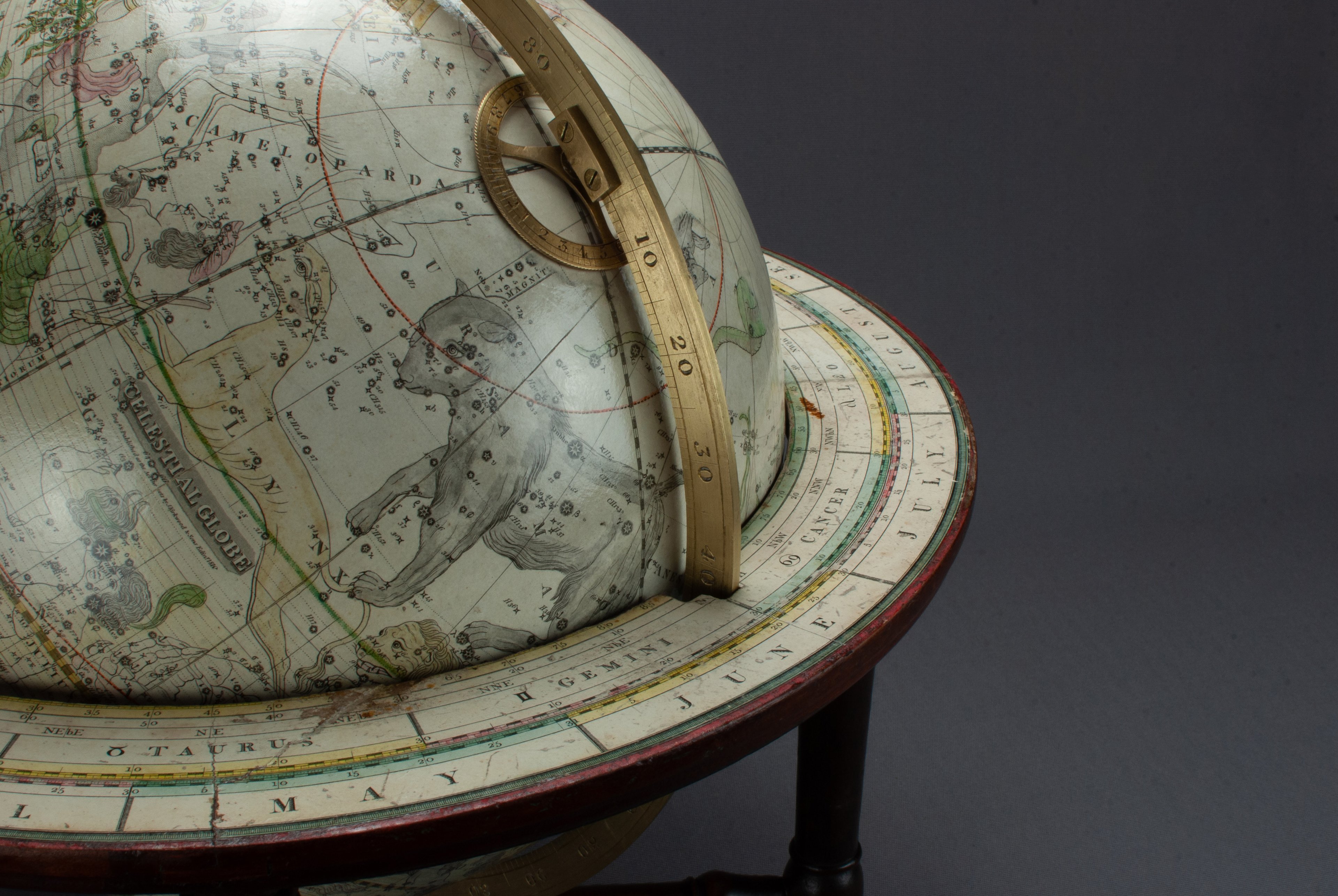
The constellations are rendered as classical zodiac illustrations based on ancient mythology. They have been printed onto paper globe gores and then beautifully hand coloured. The orb itself is seated in a wooden cradle stand, which features a ruled brass meridian and a meticulously printed horizon band mounted on wood.
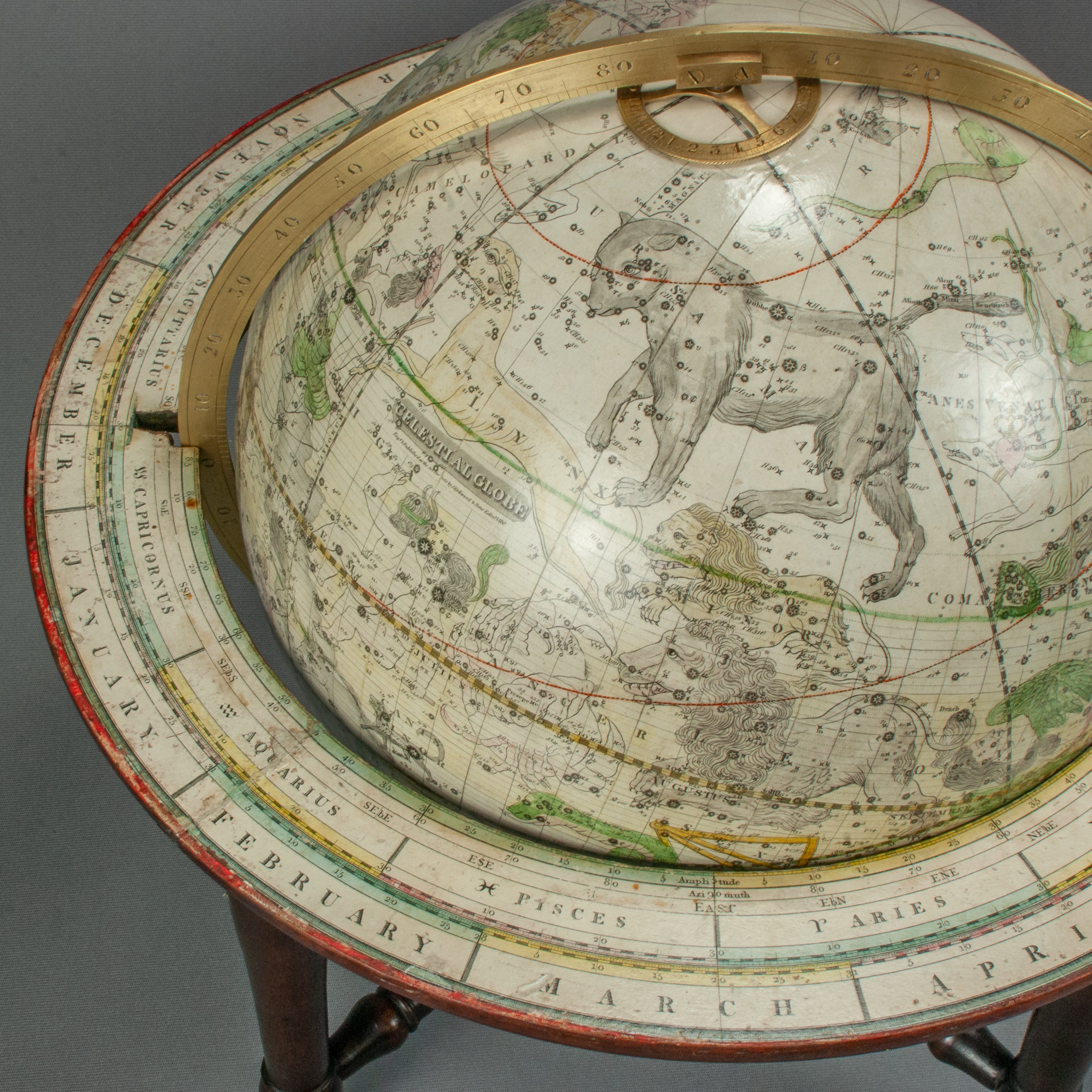
Integrating contemporary scientific observations with a classical understanding of the skies, this impressive globe depicts the forty-eight Ptolemaic constellations from Ancient times - represented as mythological figures and animals - rather than the standardised eighty-eight that we recognise in Europe today.
The individual stars are shown as elegantly engraved star and diamond-shaped icons that vary in size to indicate their brightness. Each star is designated a Bayer number: a system that uses Greek letters alongside Latin constellation names to indicate brightness.
To discover more about Johannes Bayer and his identification system, read about Bayer’s star atlas the ‘Uranometria’ here.
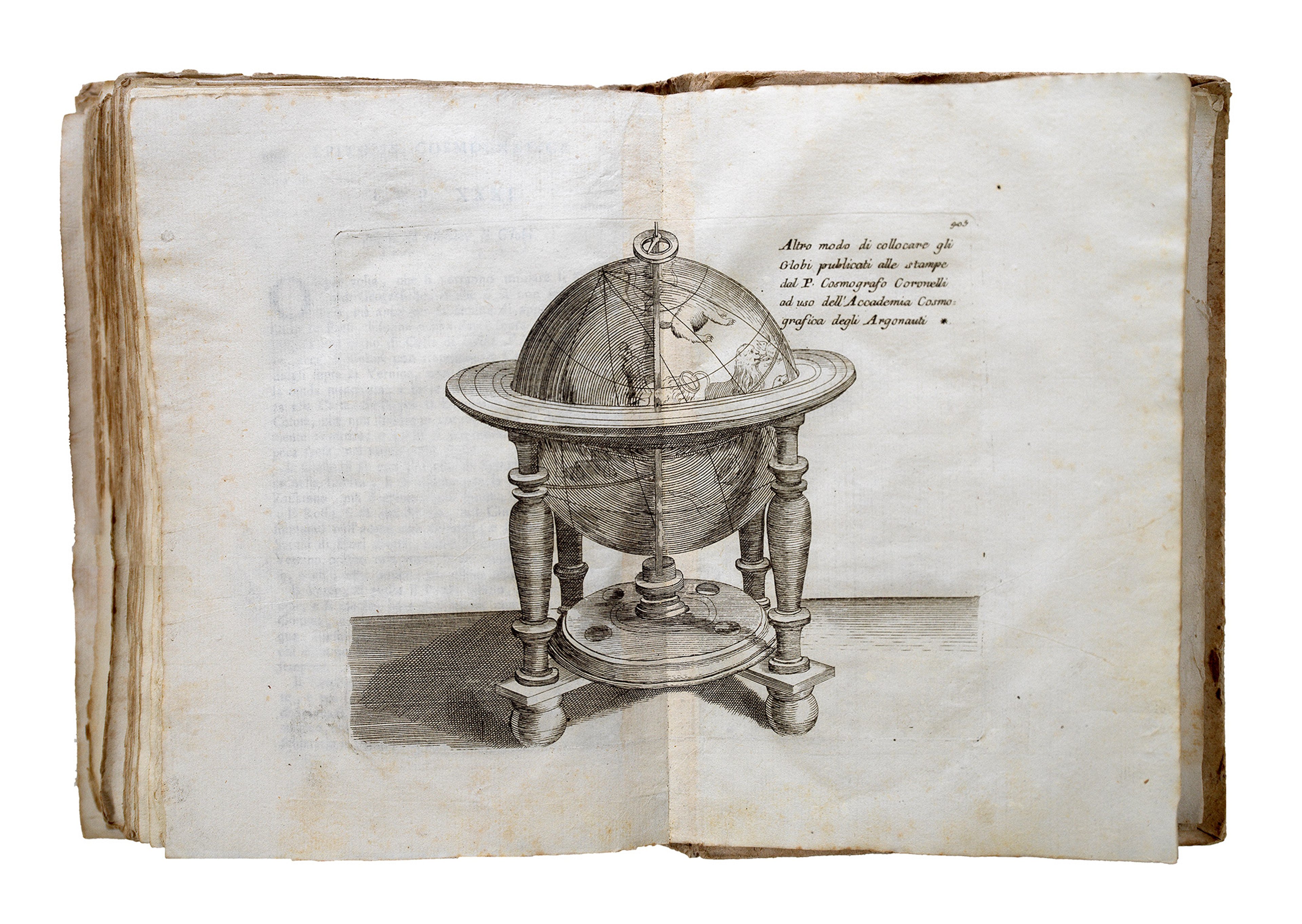
Engraving of a celestial globe from Vincenzo Coronelli’s ‘Epitome’ (1693) ©The Sunderland Collection
The globe was created by James Kirkwood and his son Robert. Kirkwood and Sons were a family business of engravers based in Edinburgh who specialised in bank notes. When Robert trained as a surveyor, the business transitioned from printers to globemakers.
Originally, this globe would have been part of a pair, alongside a terrestrial globe, but Jonathan has not been able to locate an example. Similarly, he tells Jerry he has been unable to locate any other surviving example of this particular celestial globe. One reason might be that Kirkwood and Son’s workshop was destroyed in a fire in 1824 during the Great Fire of Edinburgh.
Jonathan explains to Jerry that this early nineteenth century globe is not so much a statement piece or a symbol of wealth and knowledge as some of its predecessors would have been, but rather an educational tool. It was created during a period of educational reform in Scotland, and so would not have been out of place in a classroom, or in the study of a gentleman scientist or astronomer.
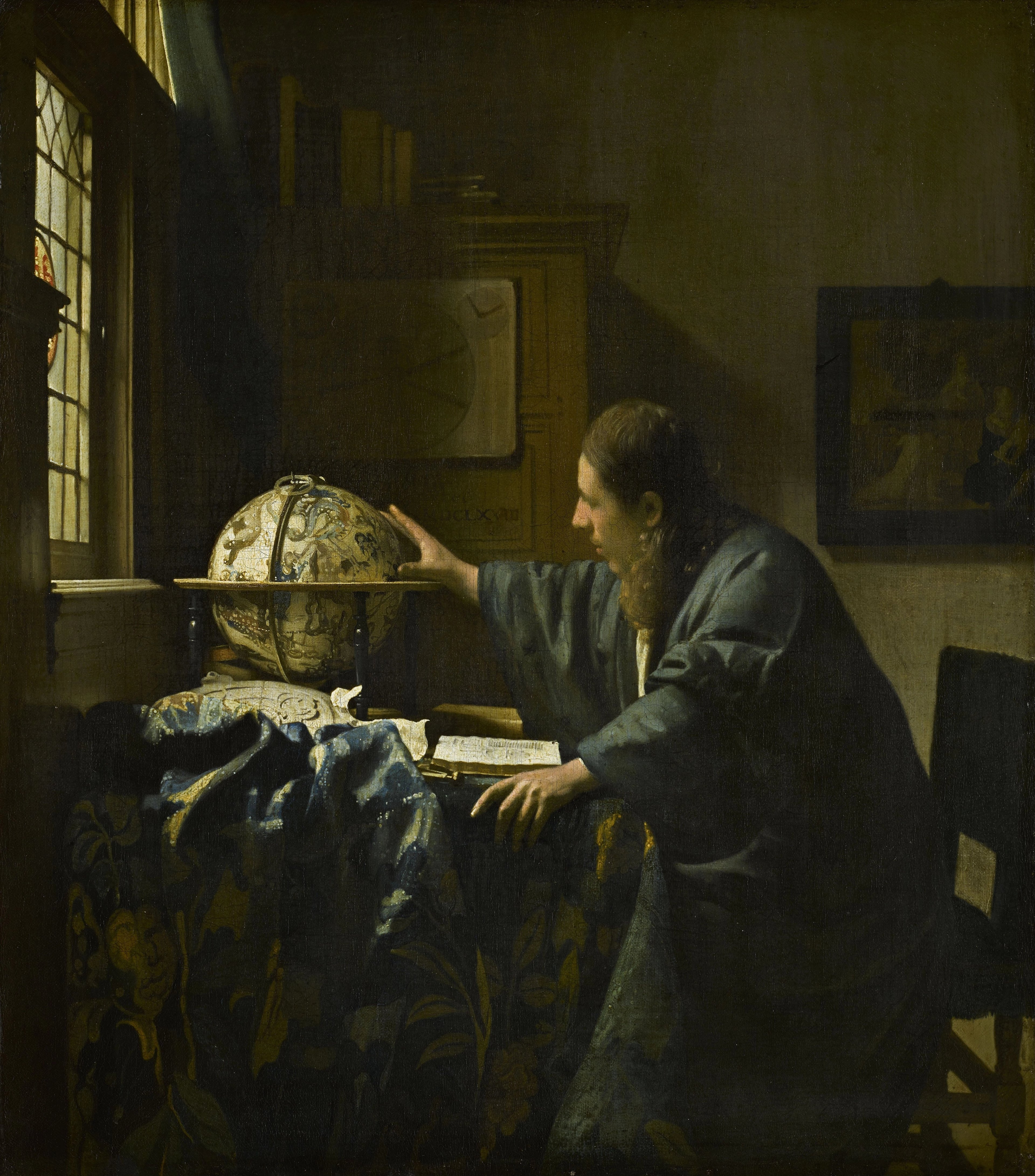
‘The Astronomer’ by Johannes Vermeer (c.1668) From the collection of the Louvre, Paris. Public Domain, via Wikimedia Commons.
To use a globe like this to observe the night sky, the user would need to identify their latitude by adjusting the globe’s meridian ring so that the number matched their location - using the horizon band to mimic the users’ own horizon.
They would then need to position the globe facing North. With the globe correctly aligned, the user would then set the date using the analemma (the figure-8 diagram) printed on the globe and rotate the sphere until the current date aligns with their local time on the meridian ring. The user could then read the night sky, with the stars and constellations seen on top of the sphere corresponding to what was visible above them.
This beautiful globe is particularly significant to Jonathan becaues it was the first one that he ever restored. When it initially came into his care, the globe was in a state of severe disrepair. It needed nearly a full year of intensive conservation work to complete its preservation.
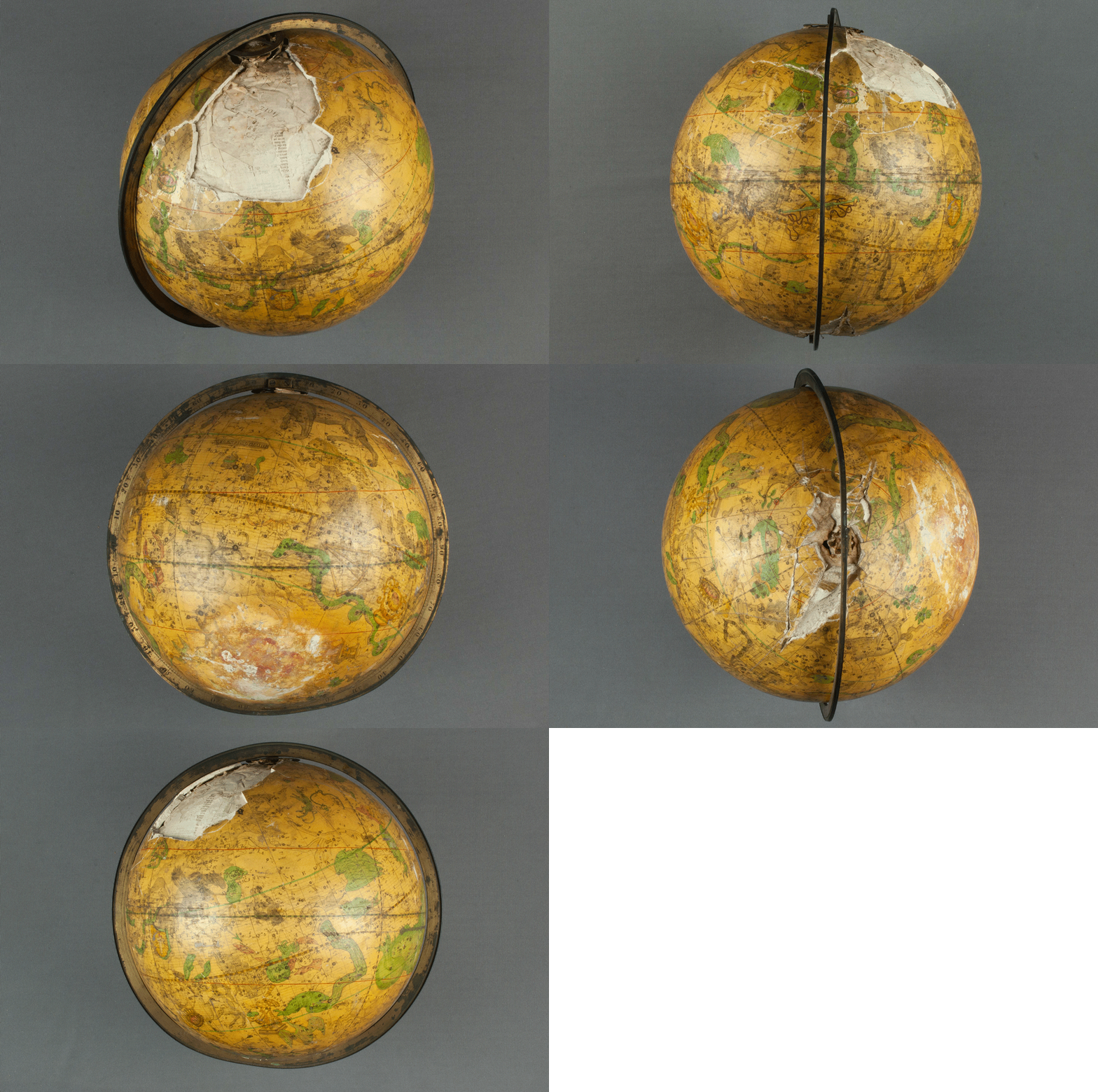
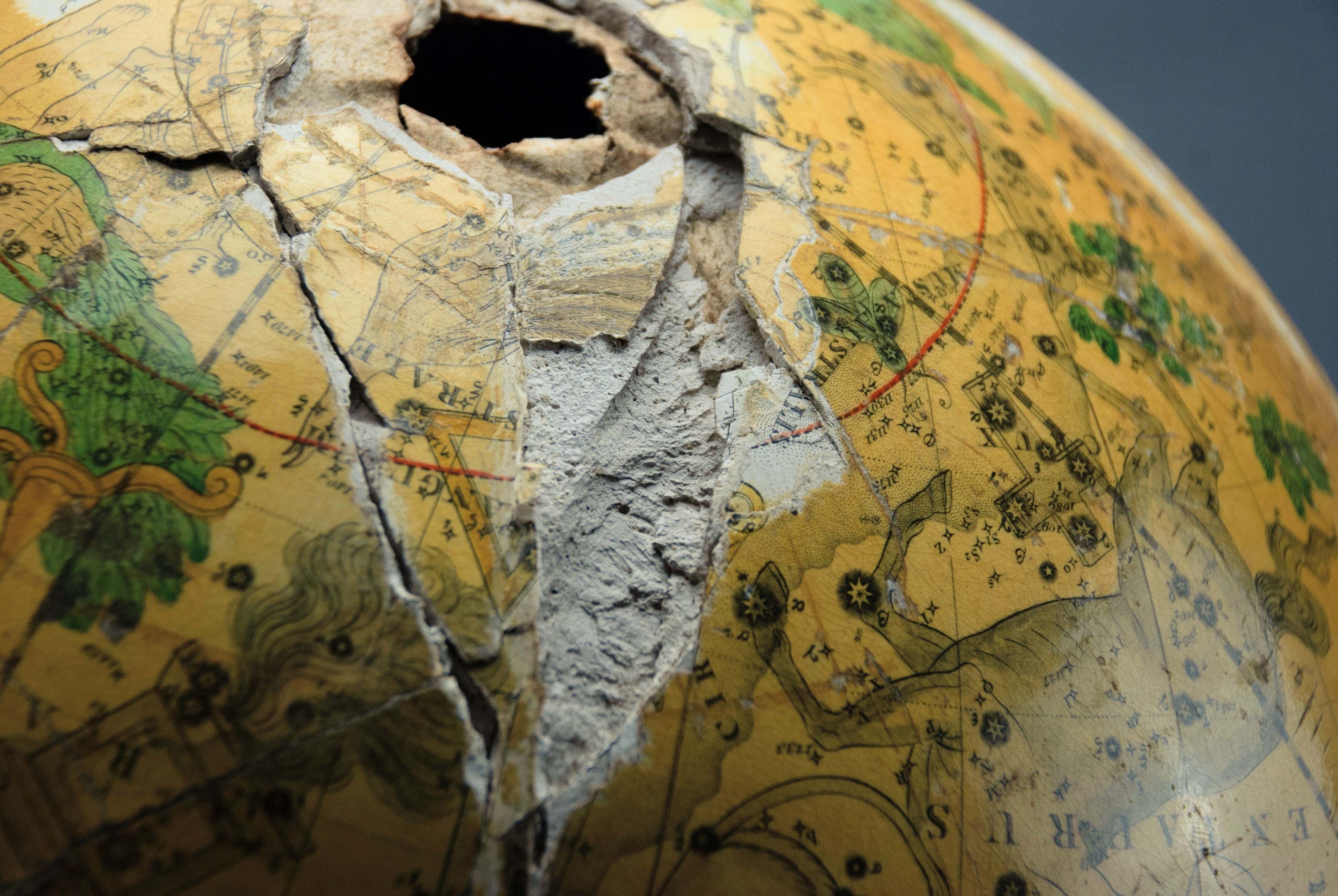
In the episode, we hear about some of the techniques that Jonathan used, and some of the challenges he faced, when conserving the globe. We also learn about how understanding the materiality and historical context is essential for a traditional craft like globe restoration.
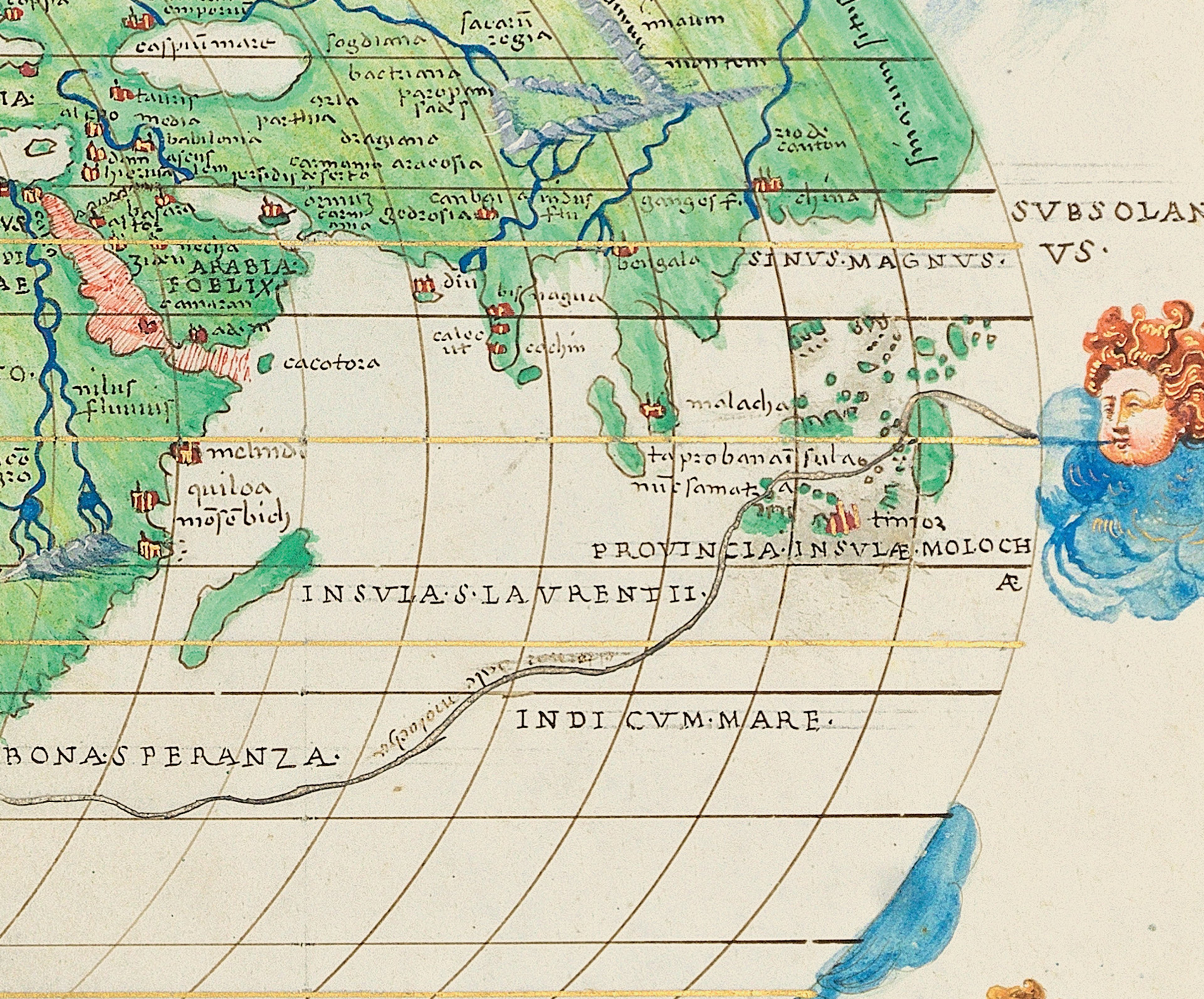
The celestial globe gores - the printed almond-shaped segments of a globe which connect to make a sphere - would have been printed using copper-engraving technique, with a projection that was distorted in order to mimic the Earth’s curvature. Jonathan explains that in order to successfully craft a globe, you not only need an engraver who knows how to produce the gores, but a globemaker who understands the map projection and materials fully.
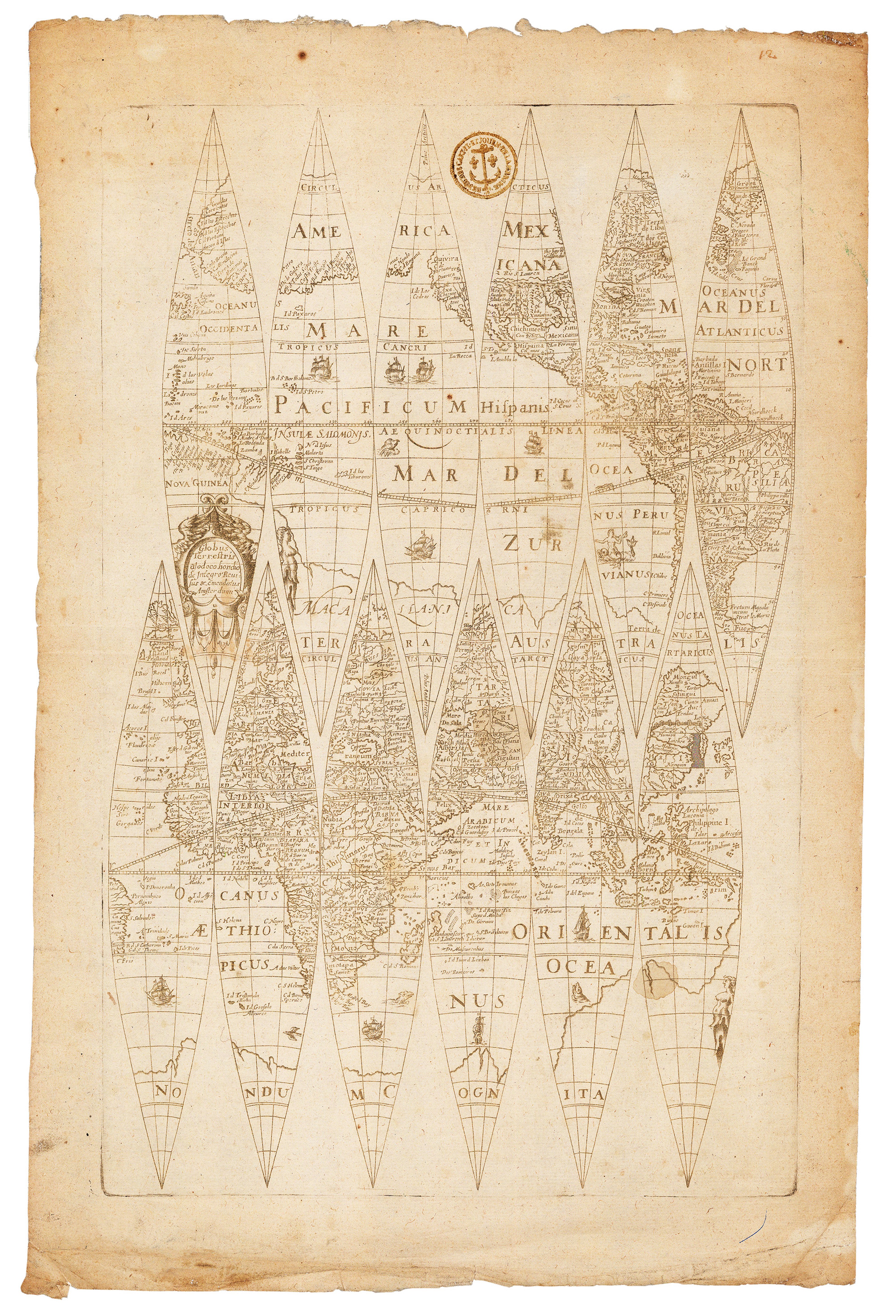
Rare sheet of globe gores by Jodocus Hondius (c.1618) ©The Sunderland Collection
According to Jonathan’s research, the paper on this celestial globe appears to be the same as that used in Kirkwood’s bank note production.
Bank note paper has a high linen content that is thin and woven, which allows for flexibility and stretch. This information was vital for Jonathan because a fundamental requirement of globemaking is to understand the materiality of the paper. Globe gores must be stretched with precision in order to be perfectly adhered to the sphere’s surface without error.
The sphere of this globe, like many in Britain at that time, was made of chalk and animal glue. The inner structure of the globe included a central wooden axis that had been damaged and needed to be reinstalled.
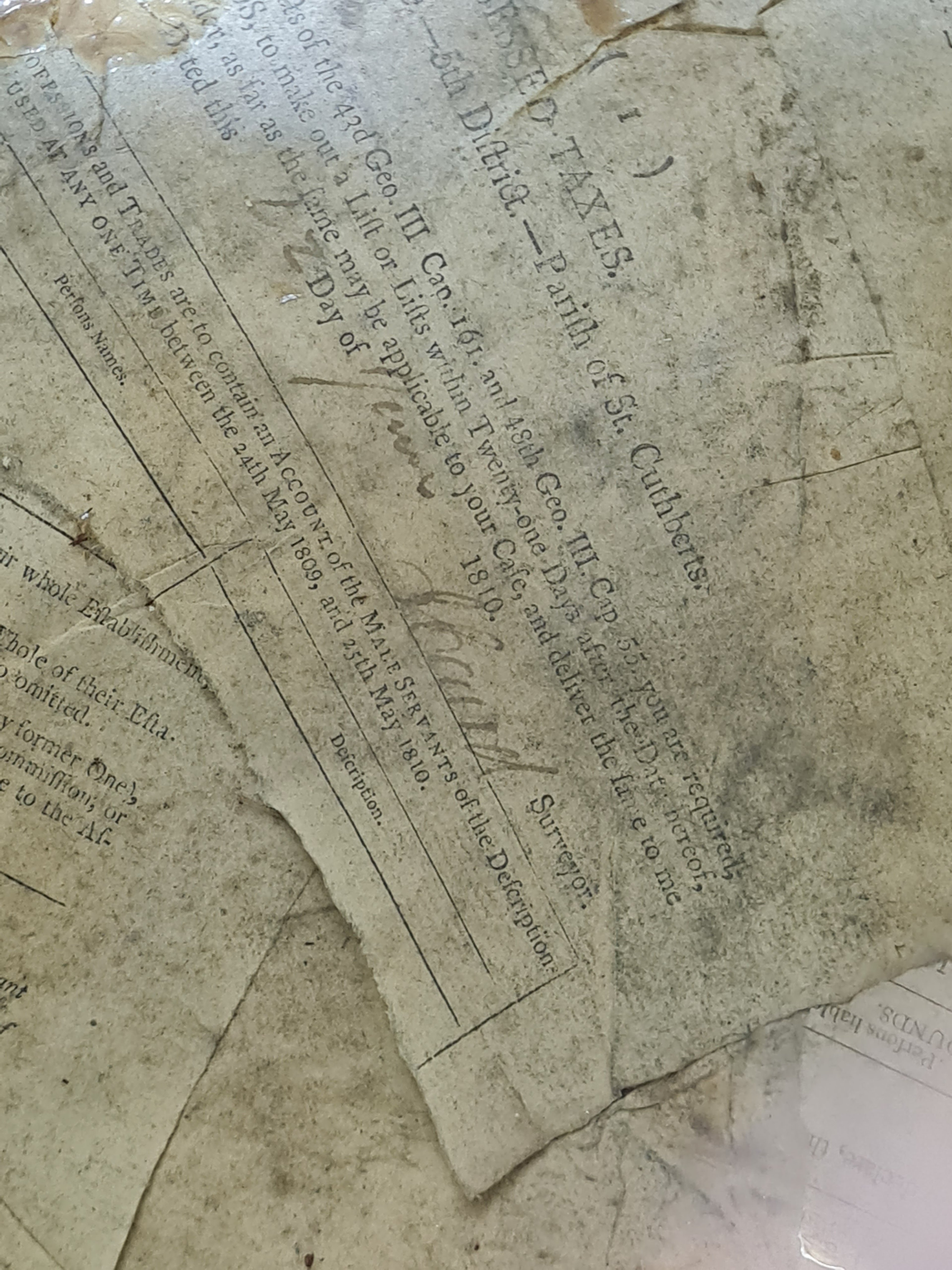
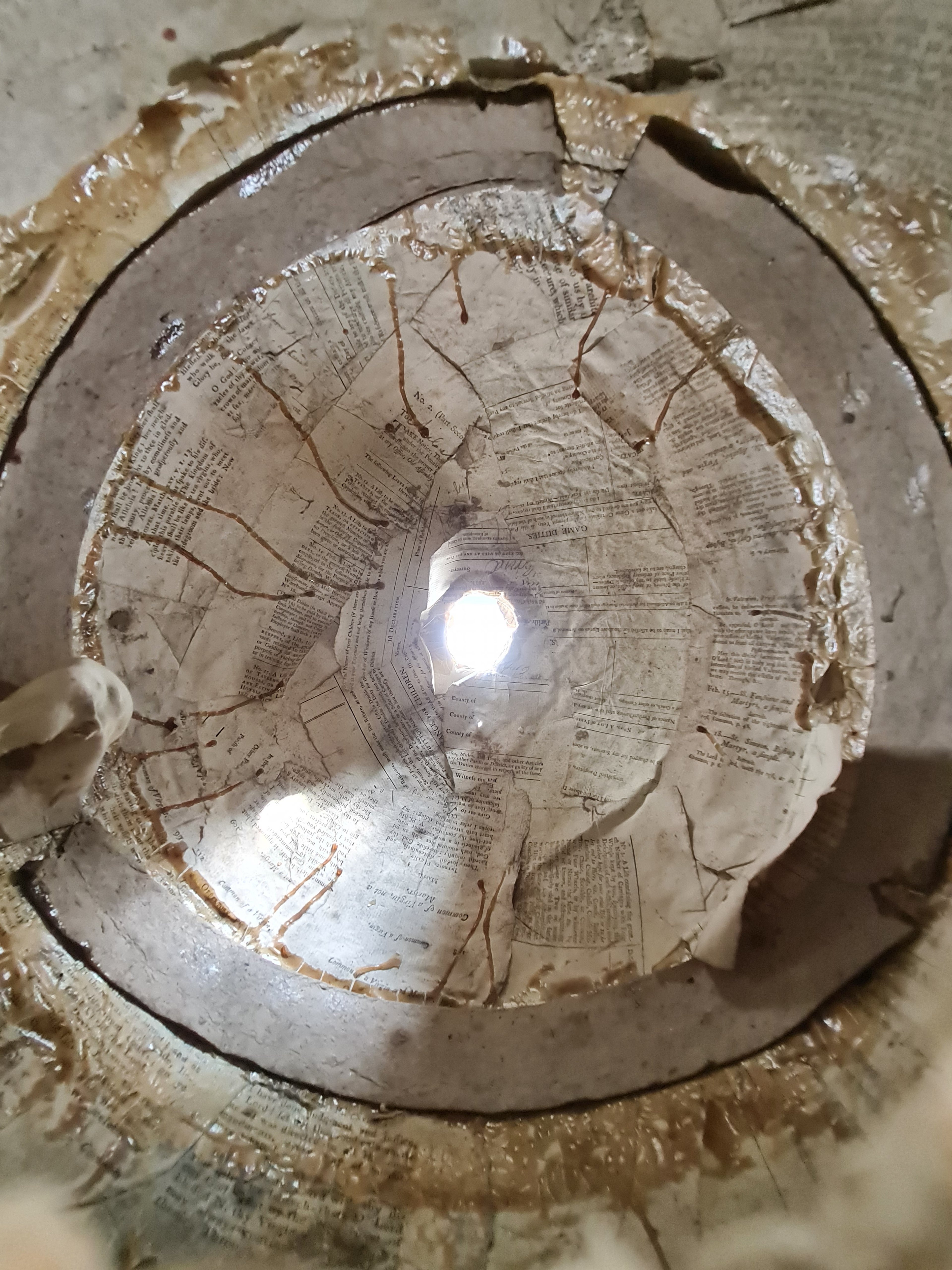
During his inspection, Jonathan noticed the curious lining of the globe. It was pasted with contemporary Catholic texts, torn-up tax returns and letters!
This charming discovery gave him a ‘closer sense of who made it’. Jonathan and Jerry discuss how unusual it would have been for Scottish printing presses to be producing Catholic texts in the early 1800s. Following the Reformation, the dominant religion in Scotland was Protestant, rather than Catholic, Christianity.
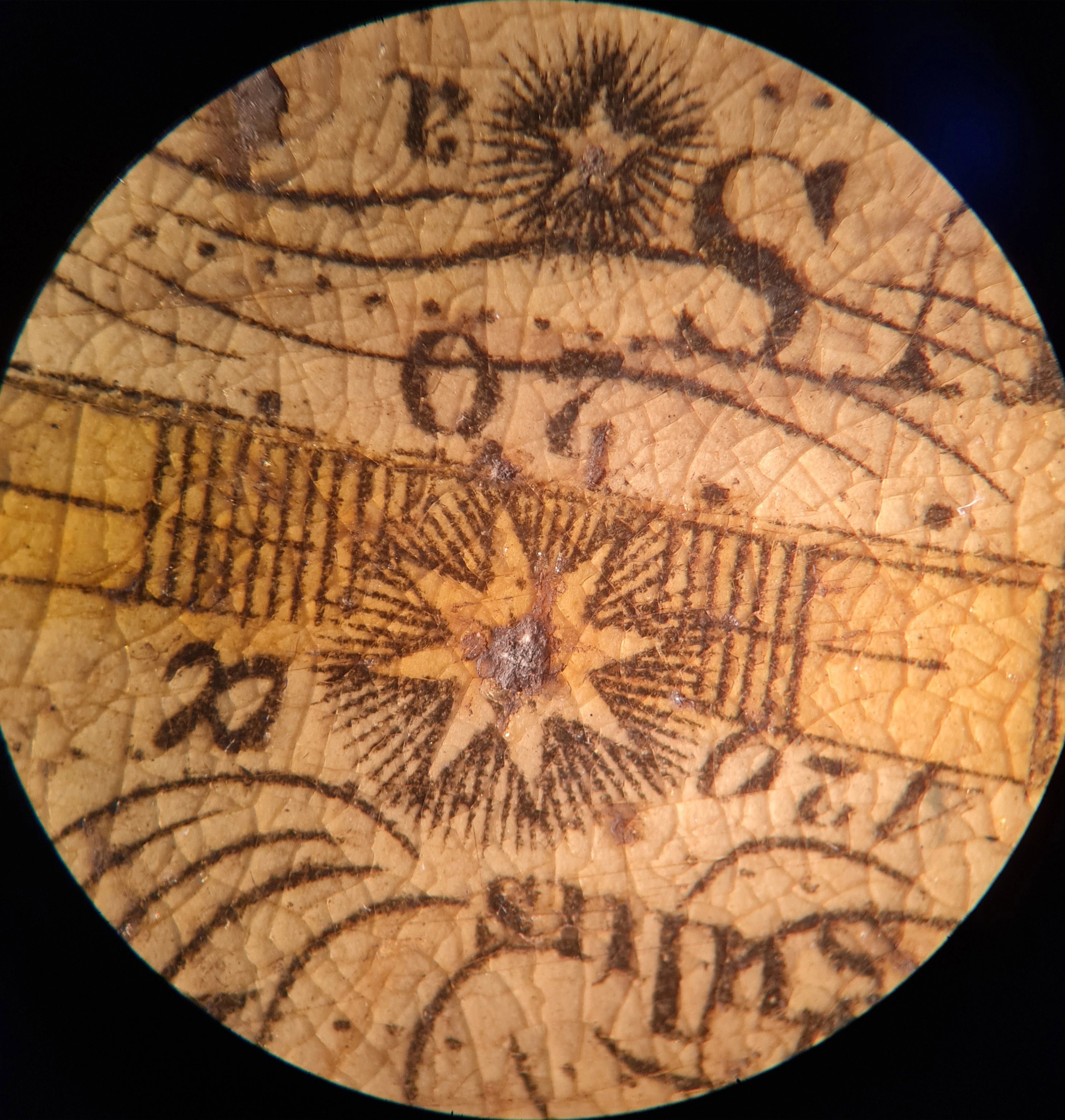
Jonathan tells Jerry about some of the signs of practical use on the globe - again reinforcing the fact that globes such as this were much more scientific tools rather than just objets d’art.
He noticed that the centres of many of the major stars were pierced, making holes through the browned varnish layer. These sites were also coated with grey sooty deposits. This indicates the repeated use of dividers, an instrument used when measuring distances. It was up to Jonathan to stabilise and restore this damage.

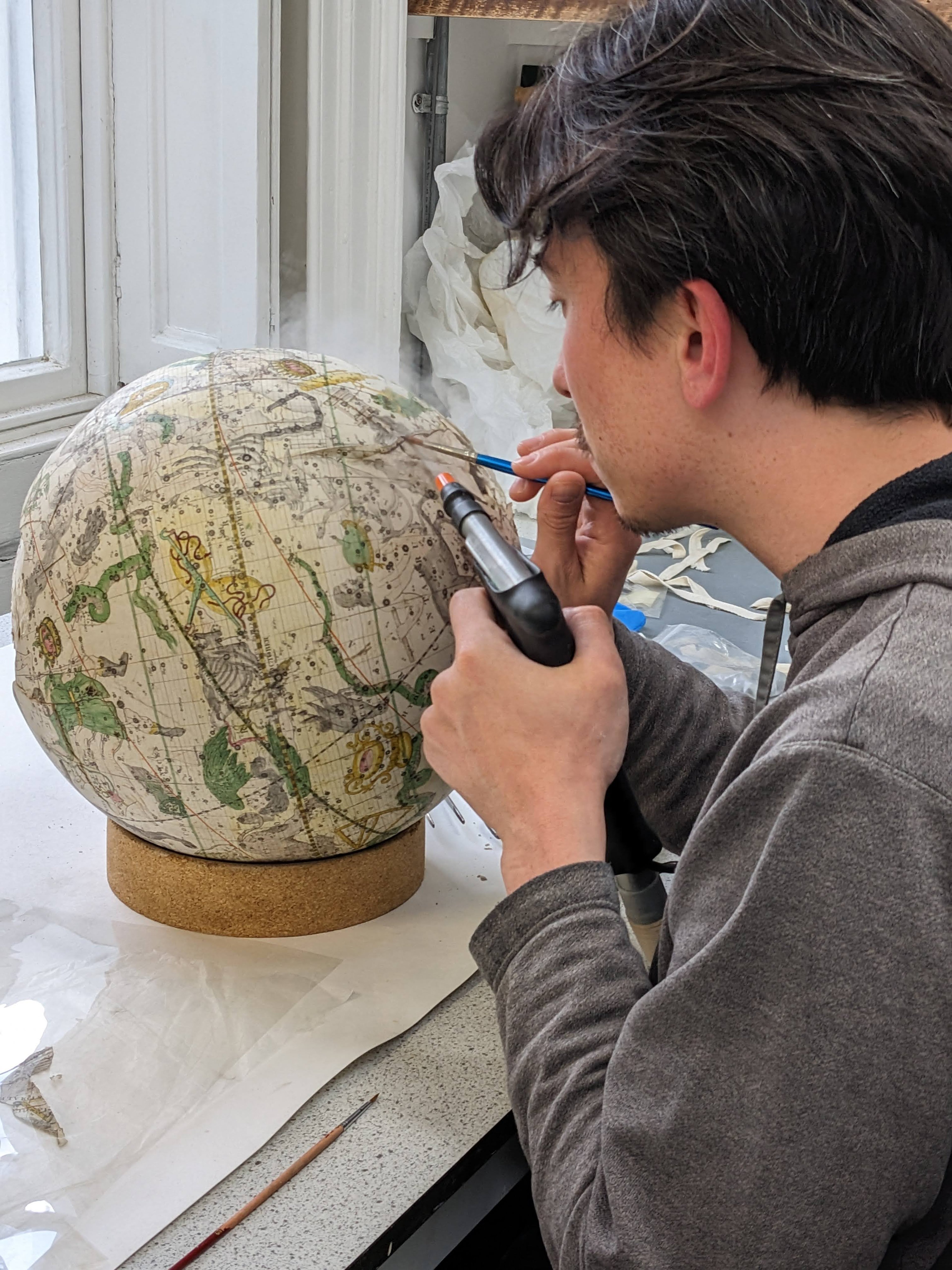
Jonathan working on the globe in his studio ©Jonathan Wright
Jonathan studied and trained as a design engineer, but chose to follow an artisanal path. He began his career as an apprentice at Bellerby & Co. Globemakers in London.
Through this work, he mastered the technical precision and artistry required for the craft, observing that globes represent the interest, knowledge, and aspirations of their creators and users. After many years training and gaining his qualifications in conservation, he now runs his own bespoke globemaking and restoration studio.
During their conversation, Jonathan explains to Jerry that he feels a personal duty to represent the contemporary world in a fair and measured way, noting that modern cartography is challenging because geography - whether celestial or terrestrial - is fundamentally political. They agree that globes inspire a sense of wonder, bridging the gap between art and science as both beautiful artifacts and markers of human achievement.
Jonathan’s recent projects have included a custom celestial globe that accurately plots over 5,000 stars in their current positions, and another that features constellations re-imagined as British flora and fauna, organised in such a way as to navigate them through the changing seasons with each rotation of the globe.
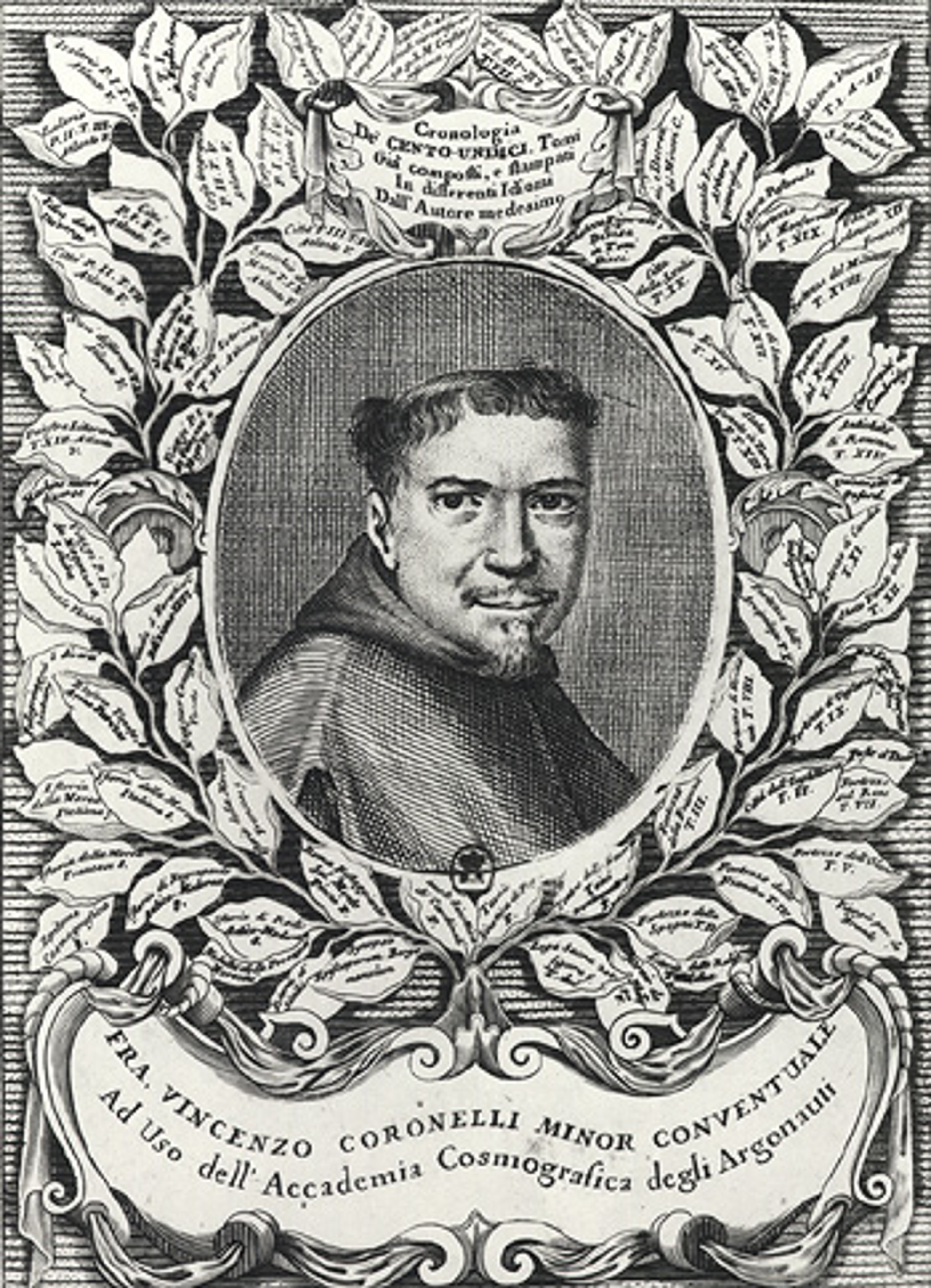
Looking to the future, Jonathan dreams of working on a globe by the seventeenth-century Italian globemaker and polymath Vincenzo Coronelli (1650-1718).
Coronelli was one of the leading geographers and cartographers of the Baroque period and the official Cartographer to the Republic of Venice. Of his most famous creations are the globes he made as a commission for King Louis XIV of France
These monumental manuscript terrestrial and celestial globes dated 1696 are held in the collection of the Bibliothèque Nationale de France in Paris. They measure around four metres in diameter and are some of the largest globes to have every been produced.
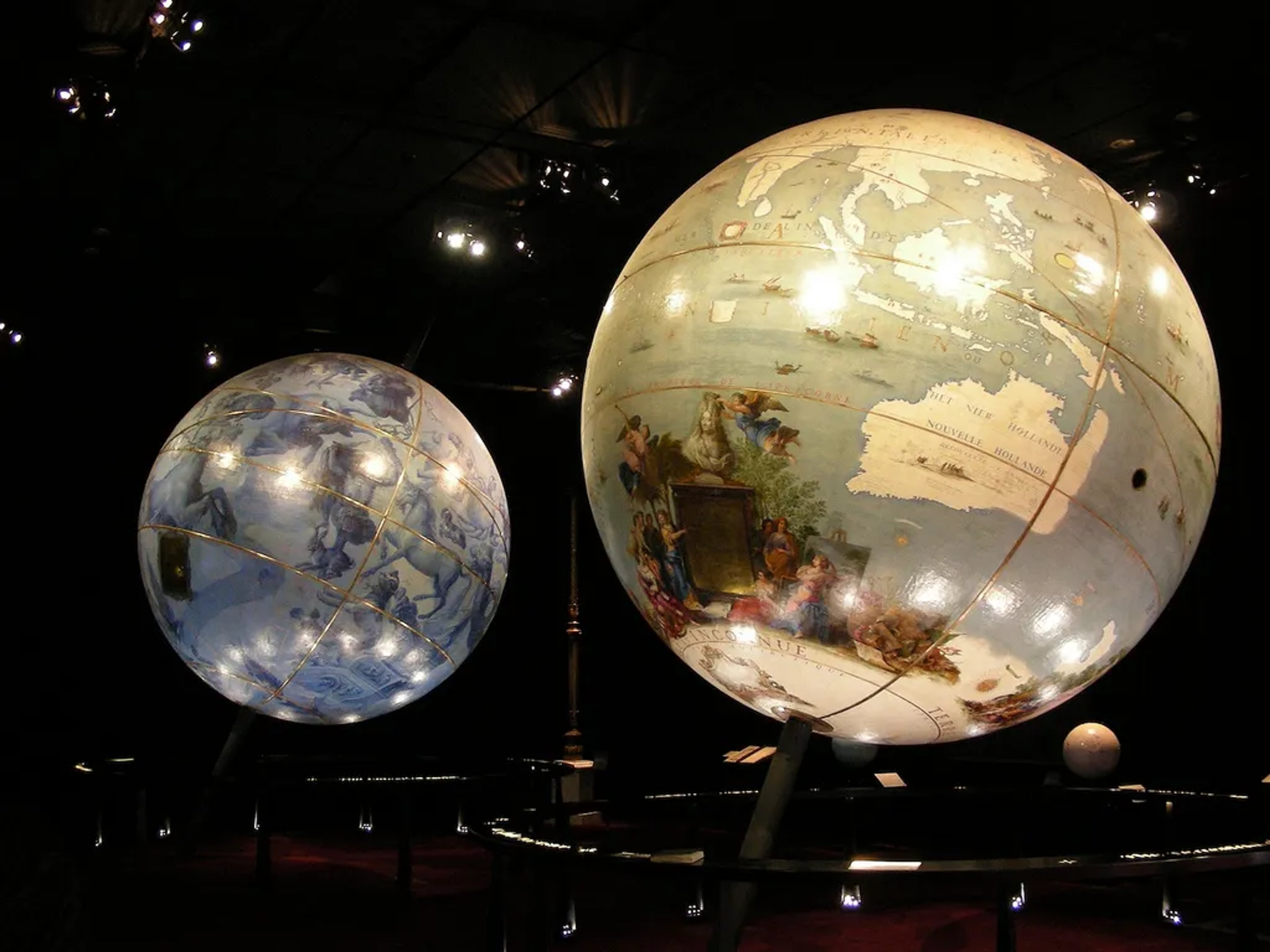
Louis XIV’s monumental globes at the Bibliothèque Nationale de France. Photos by Kristina D. C. Hoeppner / CC BY-SA 2.0
However, Jonathan’s main interest lies in the pair of globes that Coronelli made directly after these, which were reduced in size to just over one meter in diameter. Each was engraved in the traditional way onto copper plates. Like all of Coronelli’s globes, they are highly decorative in the Venetian style. Jonathan considers them to be the pinnacle of globemaking skill.
About Jonathan Wright

Jonathan Wright FRGS is a master globemaker known for his bespoke creations and for his expertise in the conservation and restoration of historic and antique globes.
With over a decade of experience in this rare and endangered heritage craft, Jonathan’s journey began at Bellerby & Co. Globemakers, where he led globe production for over nine years. As the founder of J. Wright Globemaker, he now specialises in crafting globes of exceptional artistry and precision, each tailored to reflect the personal stories and vision of his clients.
Alongside his studio practice, Jonathan has trained emerging globemakers and cartographers, helping to support the future of the craft. Recognised for his expertise, he was awarded the prestigious Queen Elizabeth Scholarship Trust (QEST) Scholarship as the Garfield Weston Foundation Scholar, alongside support from The Headley Trust, to study the specialist conservation and restoration of globes.
His ongoing research examines the secretive materials and techniques of European globemakers from the seventeenth- to the twentieth-centuries. In particular, the varnish formulations employed by historical globemakers, building a reference database of globes from private collections and those held at the National Globe Collection at the National Maritime Museum, Greenwich.
Jonathan holds a BEng (Hons) in Design & Innovation (First-Class), a GradDip in Conservation (Distinction), and an MA in Conservation (Distinction). He became a Fellow of the Royal Geographical Society in 2016 in recognition of his contributions to globemaking.
He also serves as a Trustee of the Queen Elizabeth Scholarship Trust (QEST), a charity dedicated to transforming the careers of talented craftspeople by funding their education and training.
You can find out more about his practice and see his work at jwrightglobemaker.com/
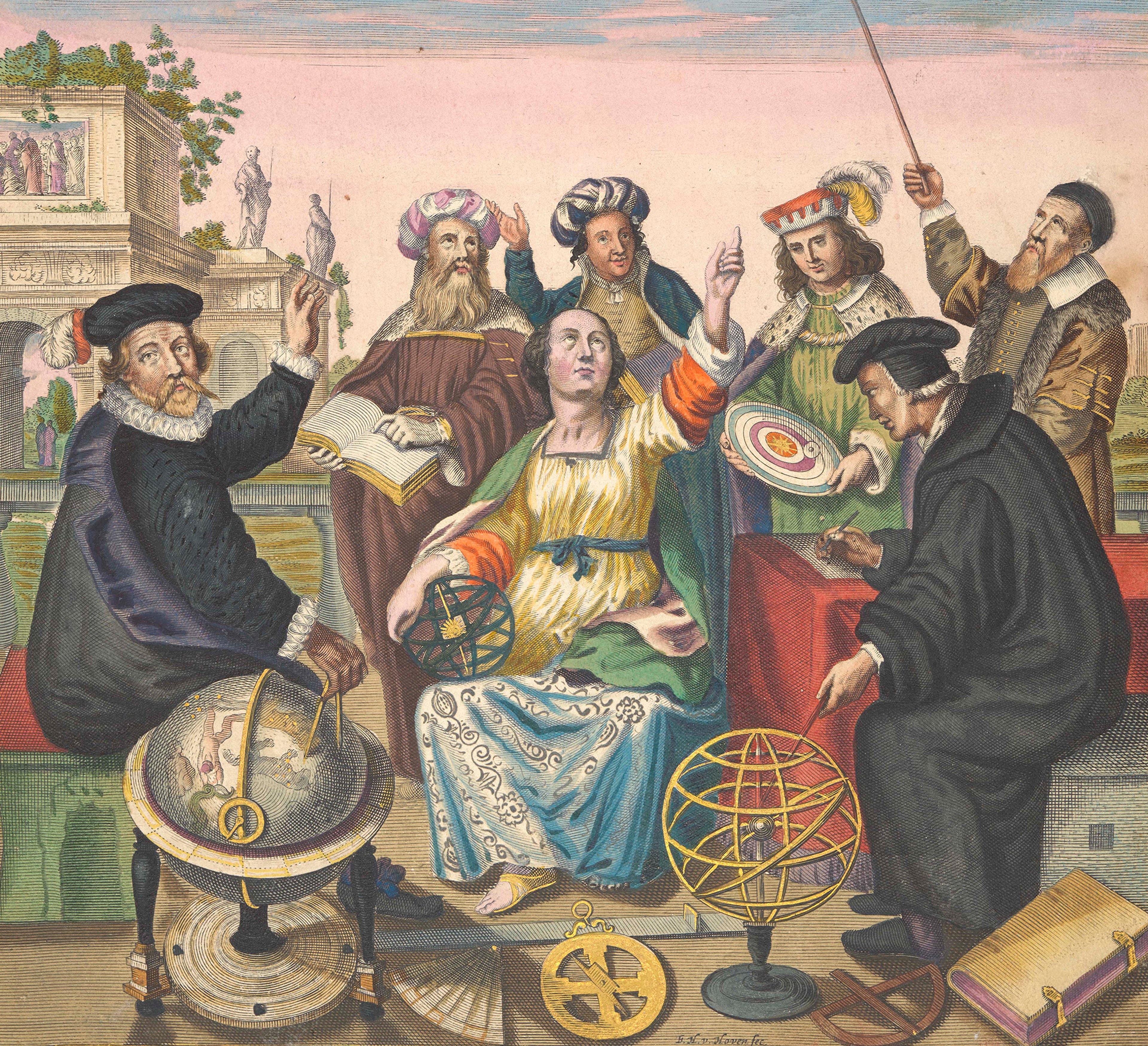
Detail of the frontispiece from Andreas Cellarius’ star atlas ‘Harmonia Macrocosmica’ (1661) ©The Sunderland Collection
Why not continue your exploration of the wonderful world of maps by subscribing to the podcast? That way you will never miss an episode.
Feel free to let us know - What's YOUR Map?!
All views and opinions expressed by guests on the podcast are entirely their own and do not represent those of The Sunderland Collection or Whistledown Productions.