Imperial Romance and Lost Worlds
"A blank space of delightful mystery"

The blank spaces on nineteenth-century European maps became engines of imaginative fiction, giving rise to the fantasy genres of Imperial Romance, the Lost World narrative, and their many afterlives in stories, film, games - and even the politics of national identity.
The last three decades of the nineteenth century saw the expansion of the British Empire by 4.75 million square miles, increasing the number of Queen Victoria’s imperial subjects by about a third again to a total of 420 million people. [1] And Britain was not alone; the period known as the ‘Scramble for Africa’ had seen furious competition among several European states to secure control of territory in that region of the world still referred to as the ‘dark continent’.
One of the participants in that ‘scramble’ – euphemistic in reference to the untold horrors involved – was the Polish-born merchant sailor and writer Joseph Conrad (1857–1924).
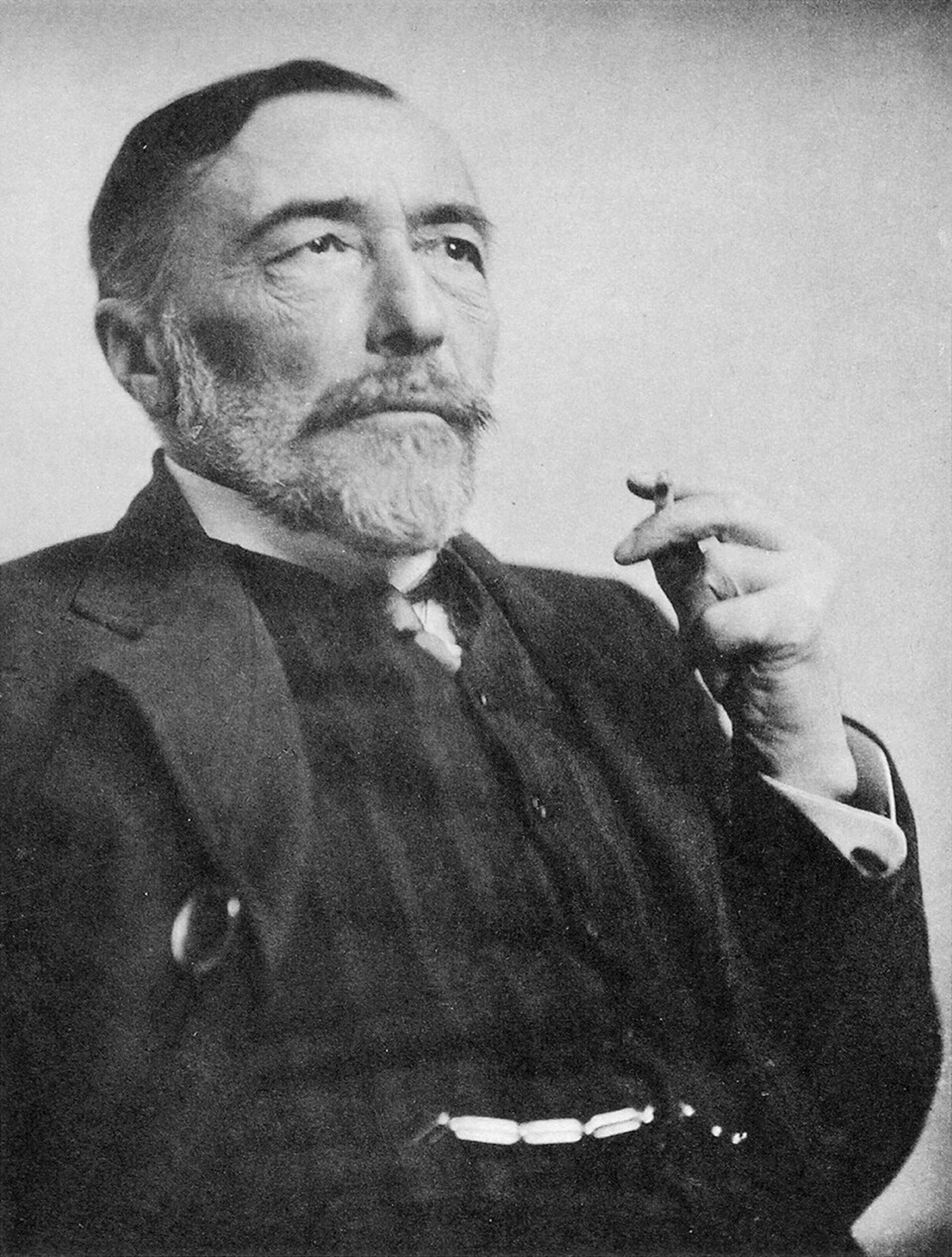
Joseph Conrad by Alvin Langdon Coburn (1916). Public Domain via New York Public Library.
In 1890, Conrad served on a steamer sailing up the Congo River on behalf of a Belgian trading company.
What he witnessed on that voyage left an indelible mark on his consciousness and resulted in one of his most famous works as an author, Heart of Darkness, originally published as a serial in early 1899 in the popular literary journal Blackwood’s Magazine.
Heart of Darkness is presented as the testimony of a melancholy and sardonic seaman named Charles Marlow, widely considered to be a fictionalised version of Conrad himself.
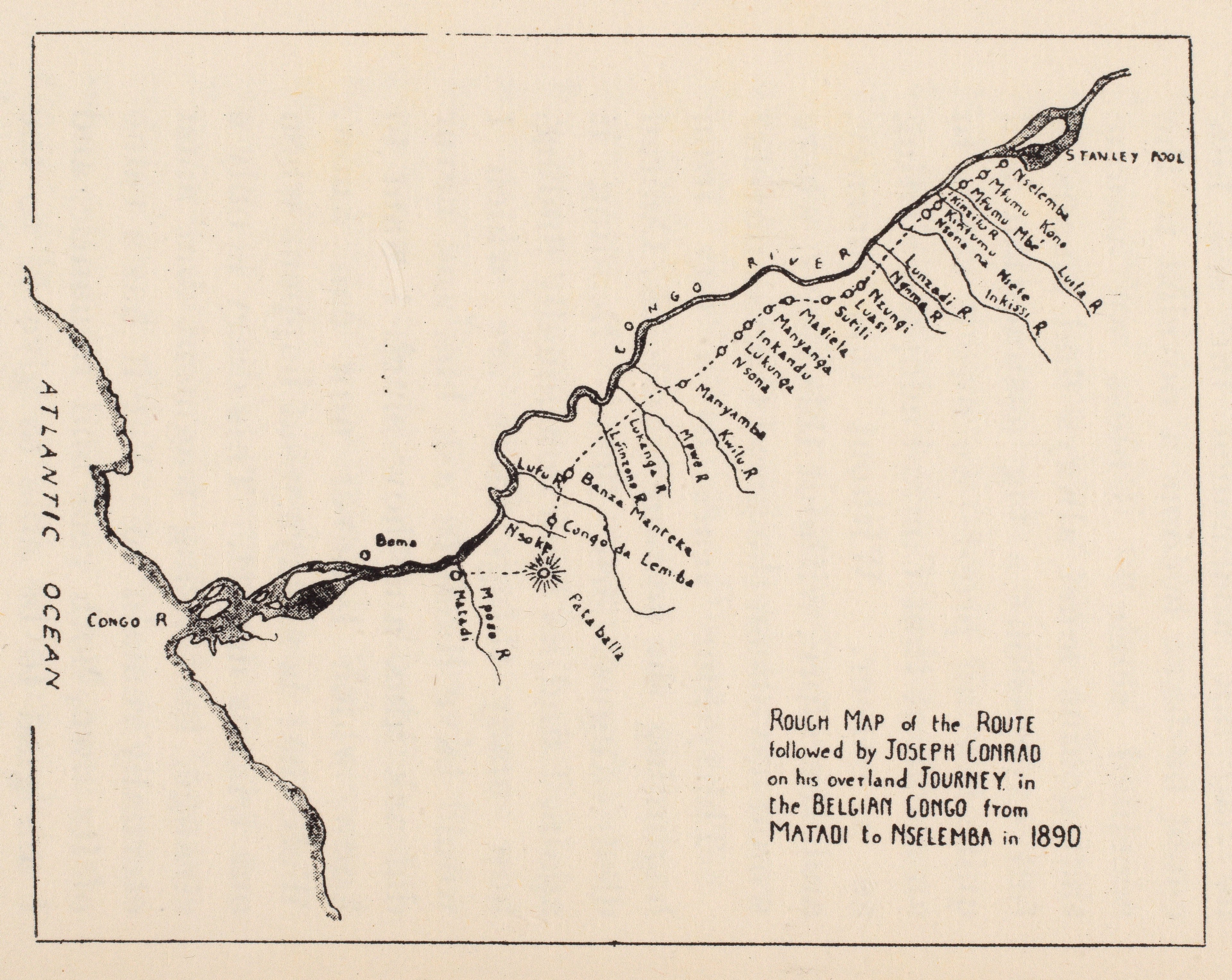
Map in Joseph Conrad's Diary of His Journey Up the Valley of the Congo in 1890 (first edition, 1926). ©Ex Carta
Blanks on the Map
Early in Marlow’s account of his journey to the Congo in A Heart of Darkness, he remembers his youth:
Now when I was a little chap I had a passion for maps. I would look for hours at South America, or Africa, or Australia, and lose myself in all the glories of exploration. At that time there were many blank spaces on the earth, and when I saw one that looked particularly inviting on a map (but they all look that) I would put my finger on it and say, ‘When I grow up I will go there.’ The North Pole was one of these places, I remember. Well, I haven’t been there yet, and shall not try now. The glamour’s off. Other places were scattered about the hemispheres. I have been in some of them, and... well, we won’t talk about that. But there was one yet - the biggest, the most blank, so to speak—that I had a hankering after. [2]
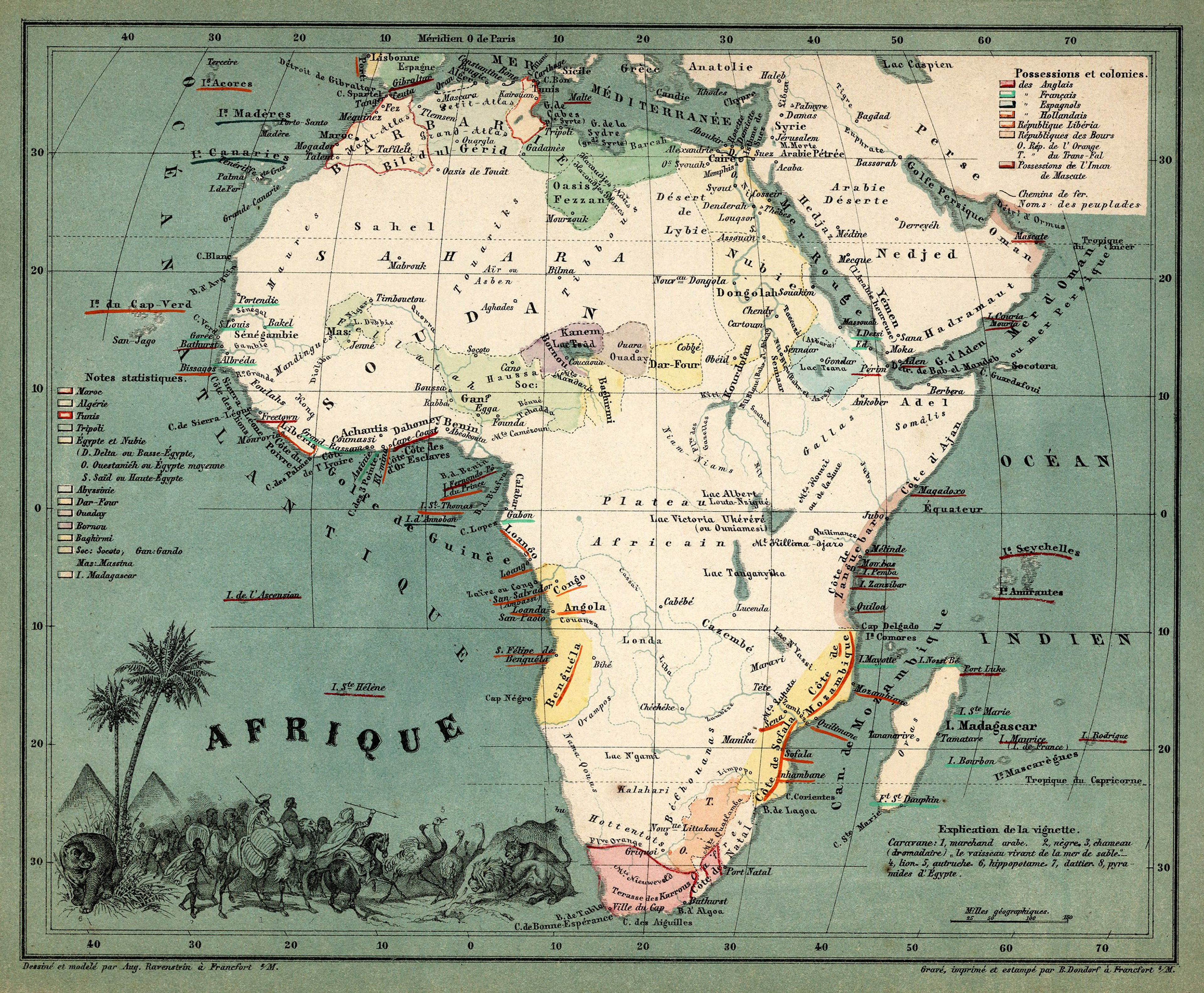
Map of Africa by A. Ravenstein and B. Dondorf (1870). ©David Rumsey Map Collection, Stanford Libraries. Creative Commons License.
Conrad communicates vividly the dizzying speed at which – from a European perspective – the world had become known and charted. Africa had been one of the few ‘blank spaces’ left, yet during Marlow’s lifetime
… it was not a blank space any more. It had got filled since my boyhood with rivers and lakes and names. It had ceased to be a blank space of delightful mystery - a white patch for a boy to dream gloriously over. [3]
Conrad’s use of Africa as a canvas for a social critique of Europe has become a major source of critical contention, with later critics arguing that the novella reproduces some of the very imperial assumptions it appears to expose. The cultural critic Edward Said (1935–2003) discussed this kind of mingling of geographical and imaginative thought in relation to areas beyond Europe in his very influential 1978 book Orientalism. He observed that:
…words such as “Orient” and “Occident” correspond to no stable reality that exists as a natural fact’ and that ‘all such geographical designations are an odd combination of the empirical and the imaginative. [4]
Said traced this impetus back to classical times, citing Aeschylus and Euripides as writers whose imaginative and creative powers took flight when contemplating ‘the otherwise silent and dangerous space beyond familiar boundaries’. [5] His commentary was pointedly political, claiming that such imaginative speculation challenged ‘the Western mind to new exercises of its enduring ambition and power.’ [6]
The Nigerian novelist and critic Chinua Achebe (1930–2013) also raised objections to Conrad’s co-option of an African setting to serve as a symbolic exploration of European crisis, ignoring or not properly realising its actual occupants, and relegating the continent to being little more than ‘a metaphysical battlefield devoid of all recognisable humanity.’ [7] It is worth noting that many of the European maps of Africa in the eighteenth and nineteenth centuries were deliberately kept blank, in order to try to justify the territorial and colonising ambitions of various western powers.
Imperial Romance
Read with such critiques in mind, Marlow’s remark as written by Conrad nevertheless captures centuries of European imaginative tradition fuelled by speculation regarding remote places that existed beyond Europe’s known borders. The danger, wonder and speculation associated with such unknown regions are concisely evoked by that largely apocryphal cartographic label: ‘Here be dragons.’
When a medieval or early modern map incorporated areas that were unknown, various beasts and monsters were indicated as dwelling there – the message was a clear one: these are wild and dangerous regions, best avoided. As well as predatory and monstrous beasts, medieval geographical literature such as Hartmann Schedel’s Nuremberg Chronicle (1493) populated the ‘east’ with dog-headed men and monopods, single-legged men who shield themselves from the sun with their one enormous foot.
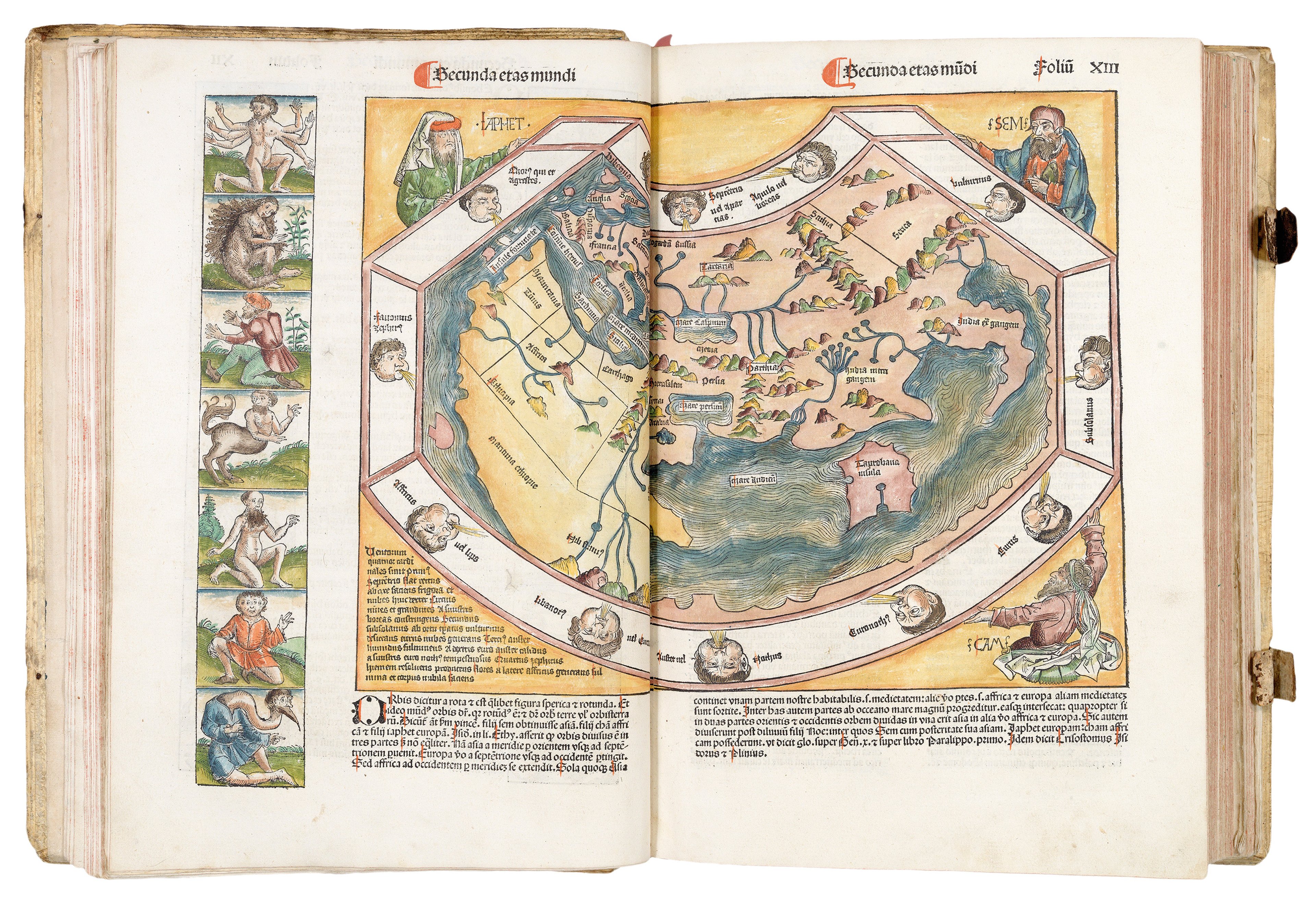
Hartmann Schedel’s Nuremberg Chronicle (1493)
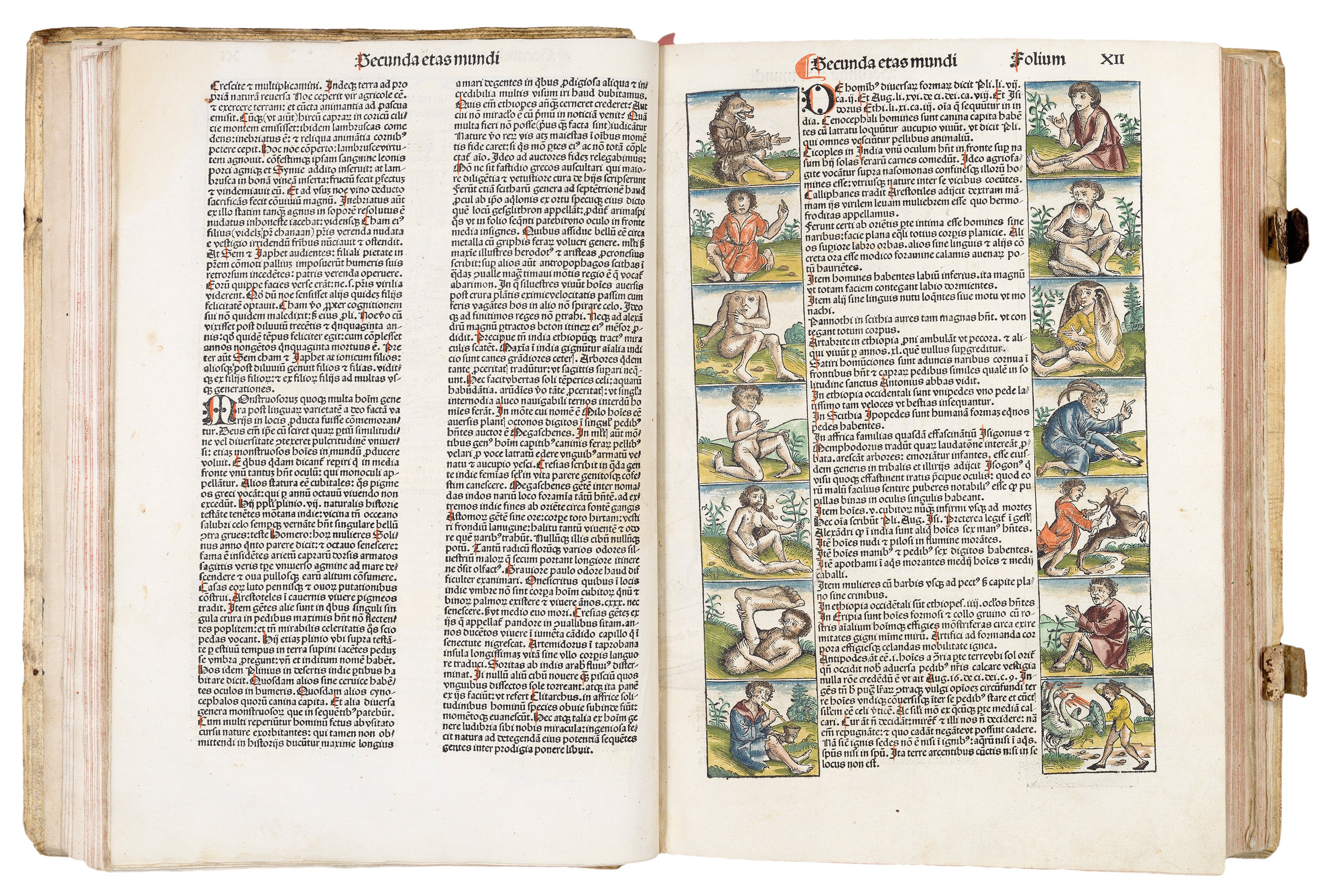
©The Sunderland Collection
As well as monstrosities, however, the world beyond Europe was thought to contain dazzling wealth and other wonders ‘to dream gloriously over’, to use Marlow’s phrase.
During the European conquest of the New World in the fifteenth and sixteenth centuries, established traditions concerning lost civilisations such as Atlantis mingled with encounters with sophisticated Indigenous cultures to create the legend of El Dorado. The phrase originally meant ‘the gilded one’, referring to stories of a Muisca ruler who covered himself in gold dust, but by the mid-sixteenth century El Dorado had become not only a golden man but a golden land: a legendary city or province of fabulous riches that drew European explorers ever deeper into the interior of South America.[8]
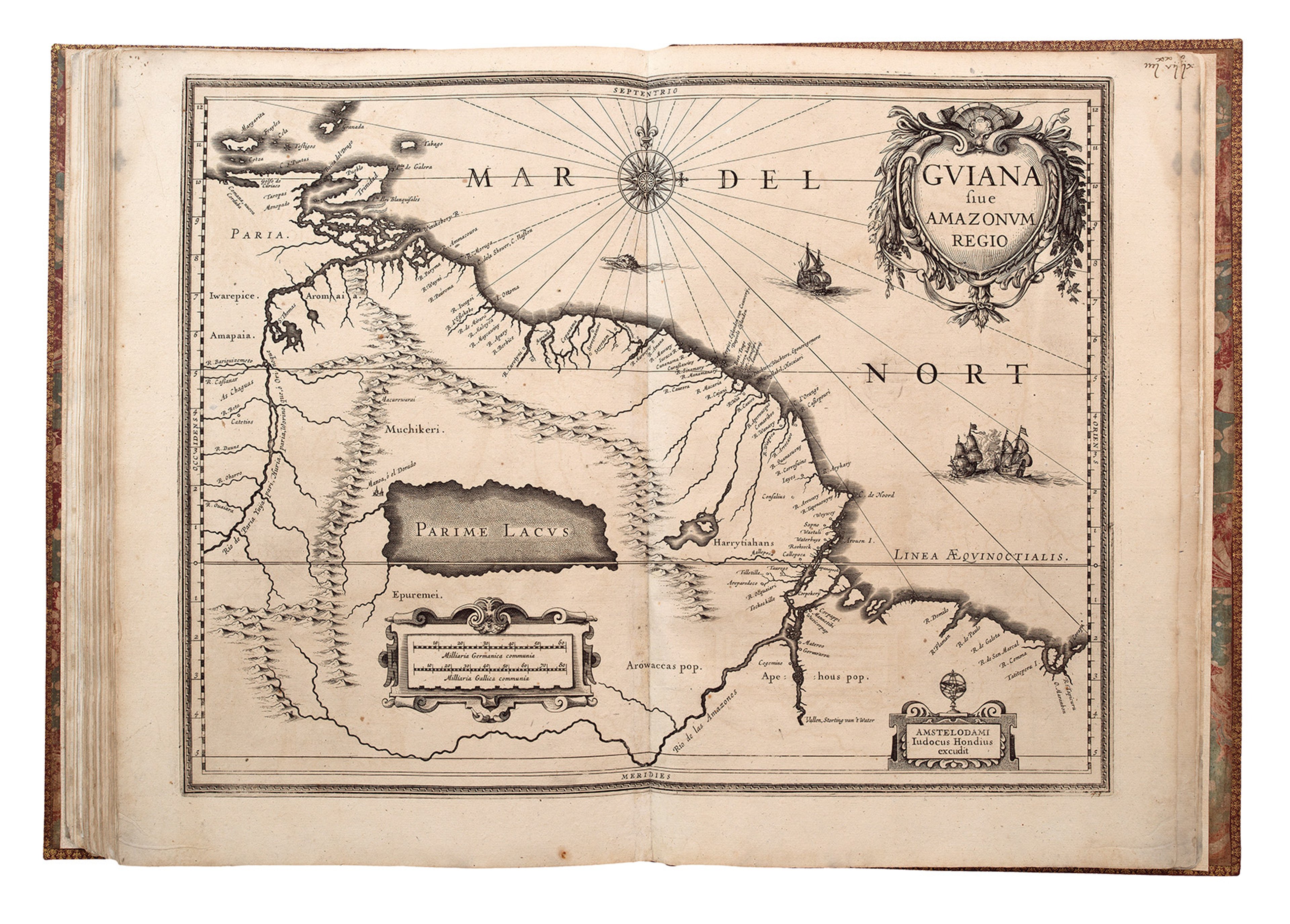
Map of Guiana (modern day French Guyana, Suriname and Guyana) from Jodocus Hondius’s Appendix Atlas (c1629) showing El Dorado based upon the ‘discoveries’ of Sir Walter Raleigh in 1595. ©The Sunderland Collection
El Dorado remained stubbornly elusive, and it has been suggested that rumours of its existence were sometimes encouraged by local communities eager to persuade conquistadores and other European adventurers to move on, with the promise of fabulous wealth always lying many miles further downriver.
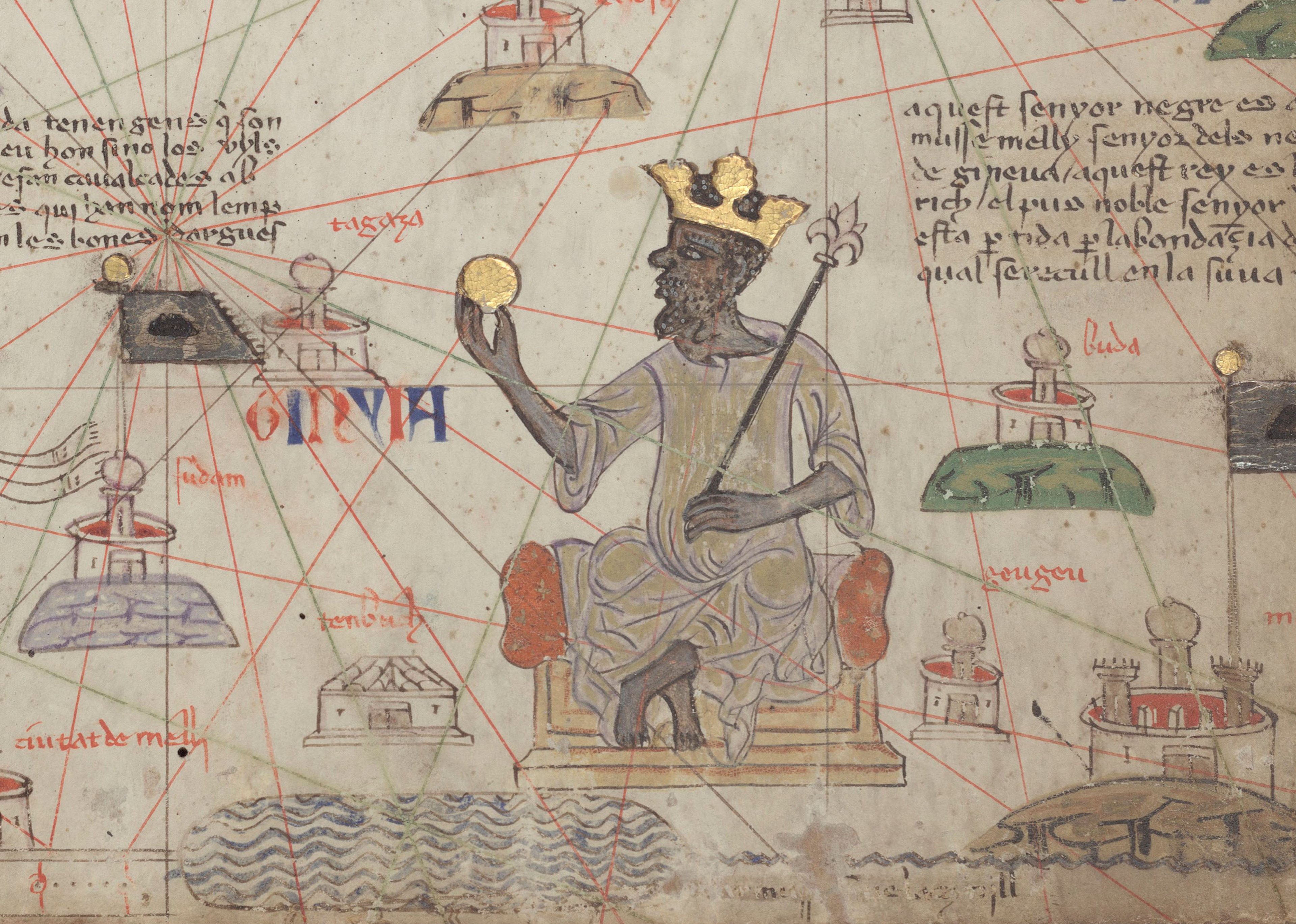
Mansa Musa from the Catalan Atlas, Sheet 6 (1375). Public Domain, via Bibliothèque Nationale de France.
In Africa, the centre of legendary wealth was long held to be Timbuktu, in present-day Mali.
When the ruler of Mali, Mansa Musa (c.1280–1337), travelled through Cairo on his pilgrimage to Mecca in 1324, his enormous entourage and lavish gifts of gold led to rumours spreading to Europe of his unimaginable wealth.[9]
Years later, the Andalucian diplomat and author Leo Africanus (c.1494–c.1554) recounted that the King of Timbuktu possessed untold riches, and the remote city was a centre of not only trade but learning and culture.[10]
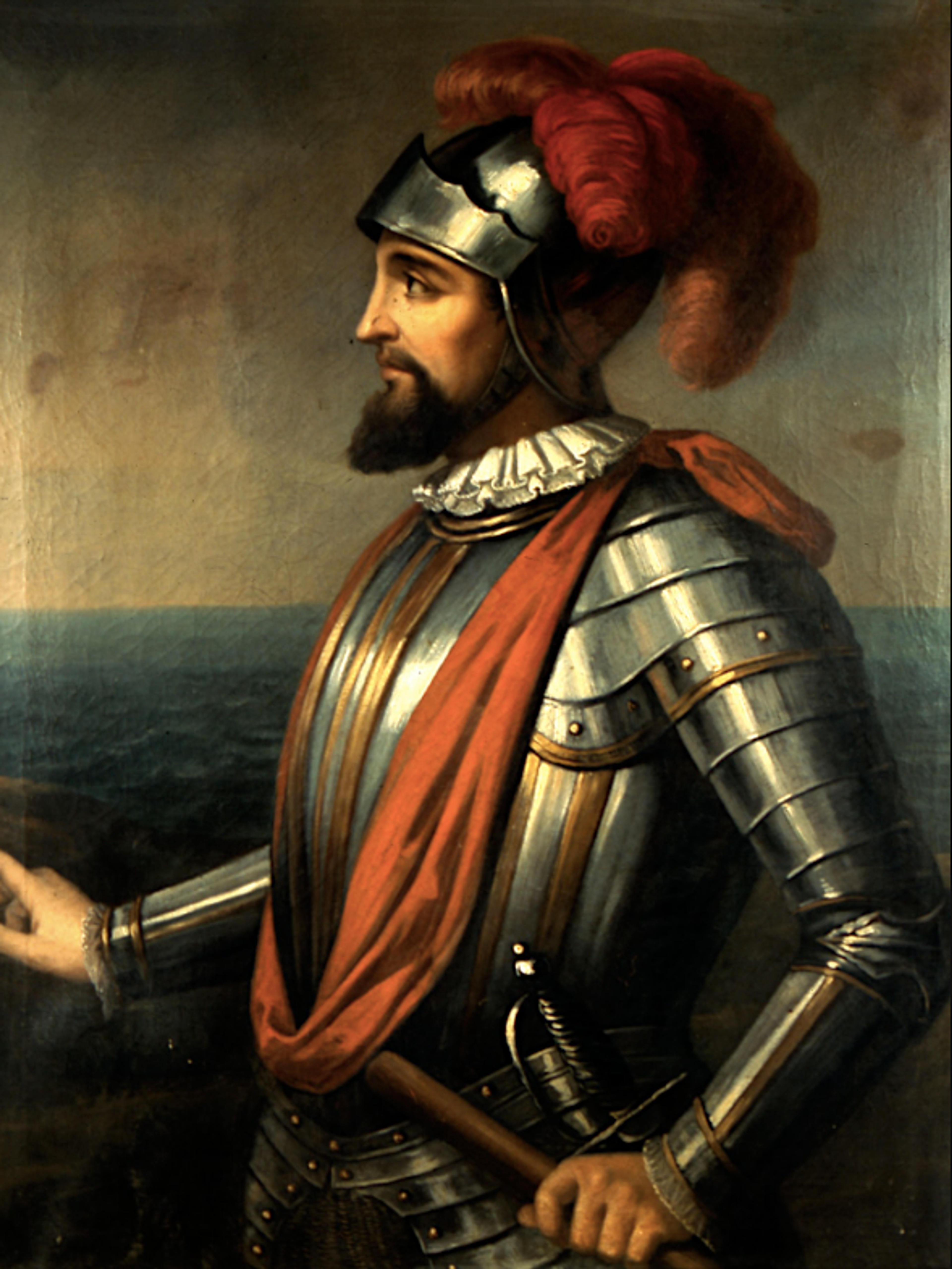
Nineteenth-century portrait of Vasco Núñez de Balboa. Public domain via the Naval Museum of Madrid.
The association between exploration and imaginative wonder was so firmly entrenched in the European psyche that it could also be used metaphorically. In On First Looking into Chapman’s Homer, the Romantic poet John Keats (1795–1821) famously compares the experience of reading a great translation to that of ‘stout Cortez’ standing ‘silent, upon a peak in Darien’, looking out upon the Pacific. This was a historical mistake: Vasco Núñez de Balboa (c.1475–1519) was the first European to cross the Isthmus of Panama to reach the Pacific, not Hernán Cortés (c.1485–1547).
Regardless of the error, the image is vivid and immediate: the moment when a new world opens before the astonished, foreign, observer.
The Welsh author of weird and decadent fiction Arthur Machen (1863–1947) later developed Keats’s conceit in the introduction to his 1907 novel The Hill of Dreams:
For the truth is, that for me at any rate literature is always an exploration. The relish of it, the delight of it are indissolubly bound up with the sense of penetrating into a new world and an undiscovered region, of standing on some minor peak in Darien and looking on worlds that no eye has ever seen before.
By the nineteenth century, then, the ‘Age of Exploration’ had become an allegory in Europe for the literary imagination, even the creative act itself. To embark on the creative process was to stand at the edge of uncharted territory.
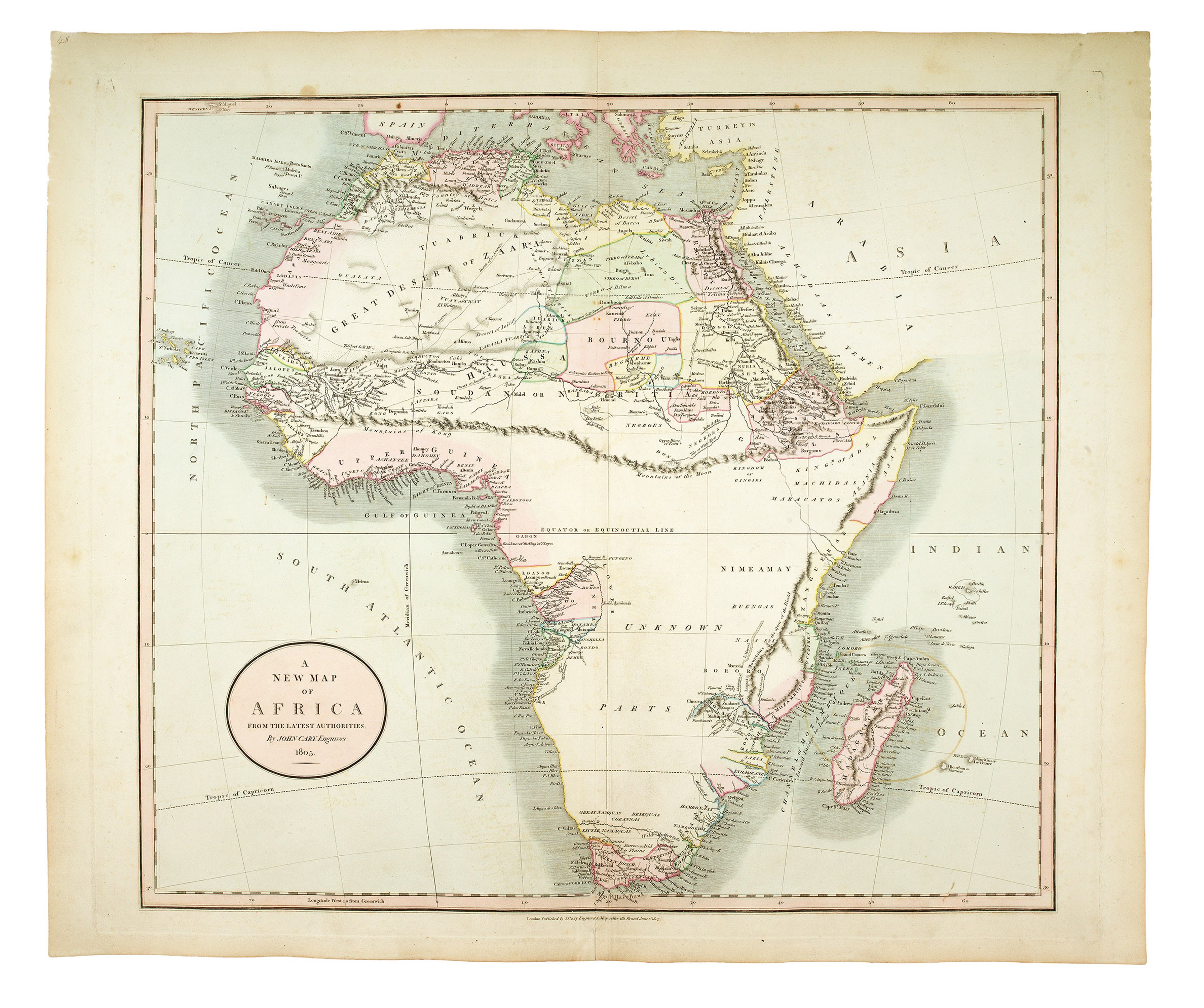
John Cary’s Map of Africa (1805) ©Ex Carta
With the ‘opening up’ of Africa in the latter part of the Victorian age, the exciting possibility arose in Europe that such fabled civilisations would finally be revealed.
As demonstrated by the 1805 New Map of Africa by John Cary (c.1755–1835), held by Ex Carta, entire mountain ranges – the fictitious Mountains of Kong and the conjectural Mountains of the Moon (which themselves date back to Ptolemaic times and probably earlier) – could be given cartographic authority despite being unverified or misunderstood. It was not much of a leap for the creative imaginations of those who, like the fictional boy Marlow, yearned to fill in the remaining blank spaces of the world with exciting romance and adventure.
British author H. Rider Haggard (1856–1925) did so in a foundational way in 1885 with his genre-defining novel King Solomon’s Mines. While Haggard had spent time in South Africa as a young man, his literary success was only established when he allowed his imaginative powers full flight, rather than relying on the more realistic representations of African life of his first efforts. Haggard’s early novels focused on what he knew of the actual Zulu Kingdom, yet with King Solomon’s Mines he postulated the existence of Kukuanaland; a sort of exaggerated version of Zulu culture, in a realm beyond the familiar regions of Southern Africa.
Kukuanaland was replete with antiquity, sinister sorceries, valiant heroism and grotesque villainy, and above all, fabulous wealth – all the daydreams that a boy like Marlow might have had while gazing at the empty spaces on a map.
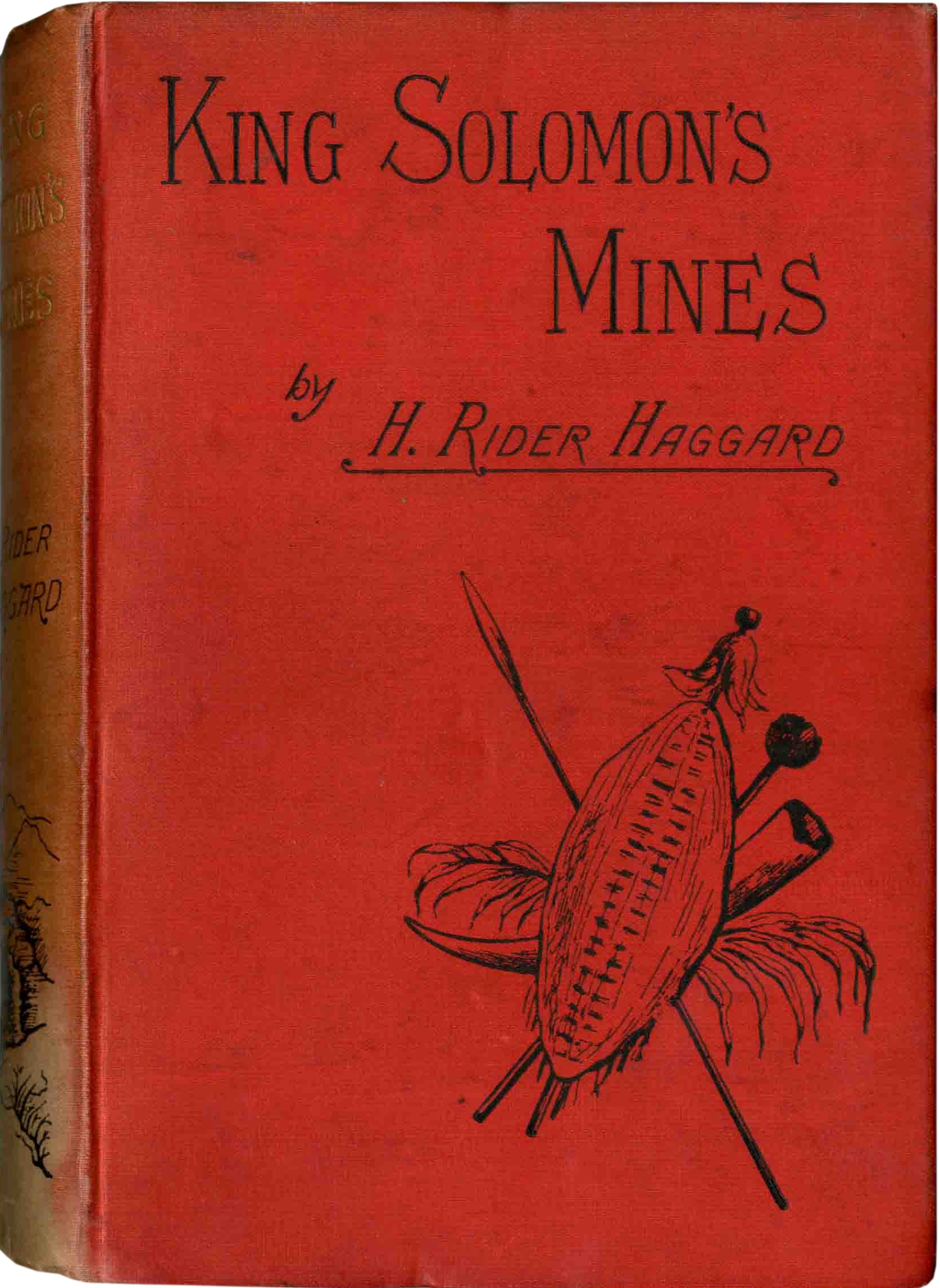
King Solomon’s Mines (first edition, 1887). Public domain via Wikimedia Commons.
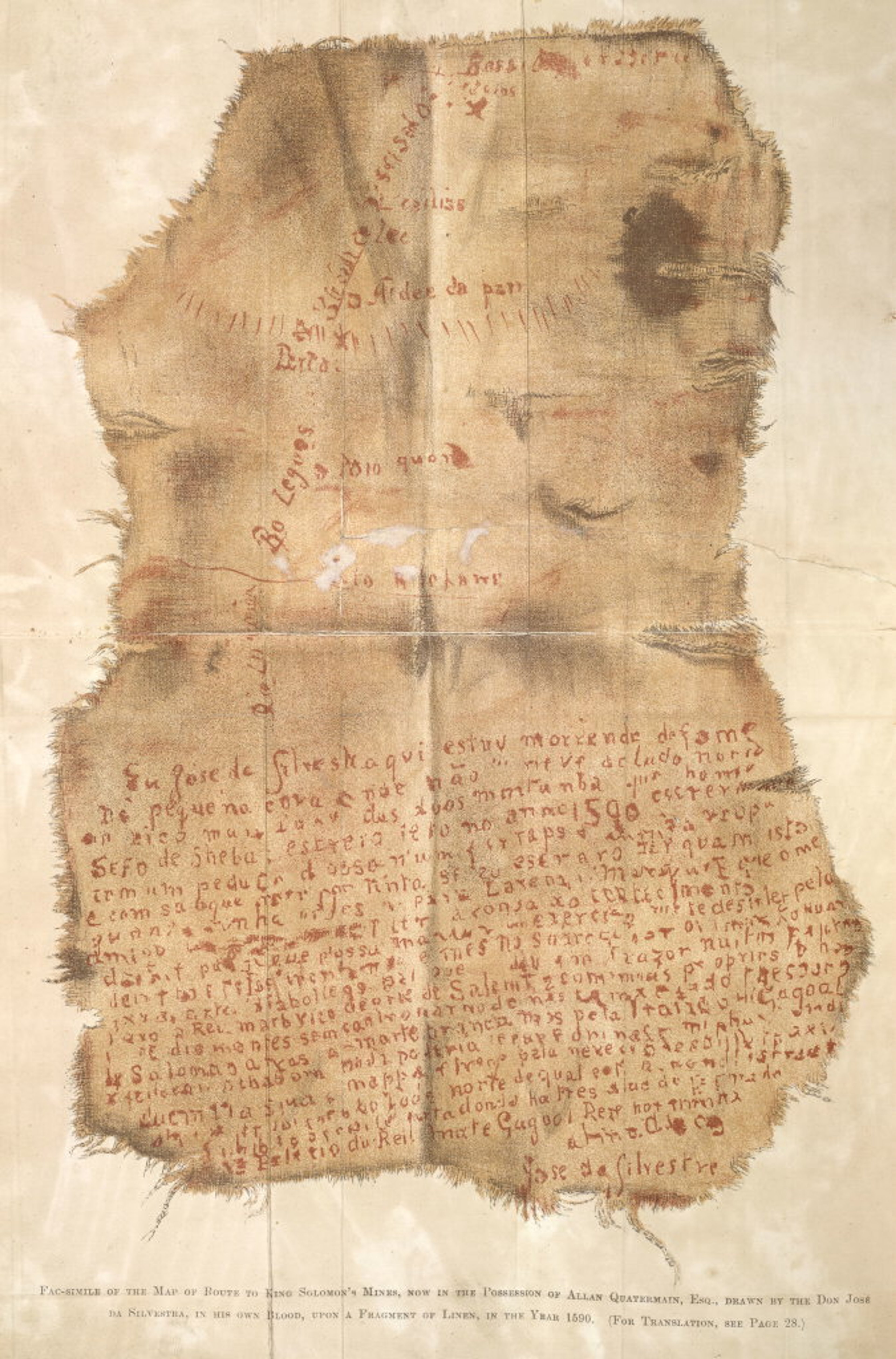
Fold out map from King Solomon’s Mines. ©British Library Archive [12811.c.21].
The novel was an immediate sensation and became a bestseller. One of its most celebrated components was its map – or rather, maps. Though, as demonstrated in the Ex Carta collection, novels and works of fiction had long used maps in order to add verisimilitude to imaginary regions, the fold-out map in Haggard’s novel was presented as an in-story artefact: a torn fragment of cloth with ragged edges, with a message and a chart written in the blood of its author, the dying Portuguese explorer Dom José da Silvestra. In this character, who we are informed lived ‘three hundred years ago’, Haggard creates a direct link between the age of the conquistadores and the then-contemporary “scramble for Africa”.
For the reader, it was as if with the map they were being presented with documentary evidence of the veracity of the book. A neatened version was provided further on in the story, where the reader could more clearly make out the features of the strange landscape through which the protagonist Allan Quatermain and his band of adventurers travel.
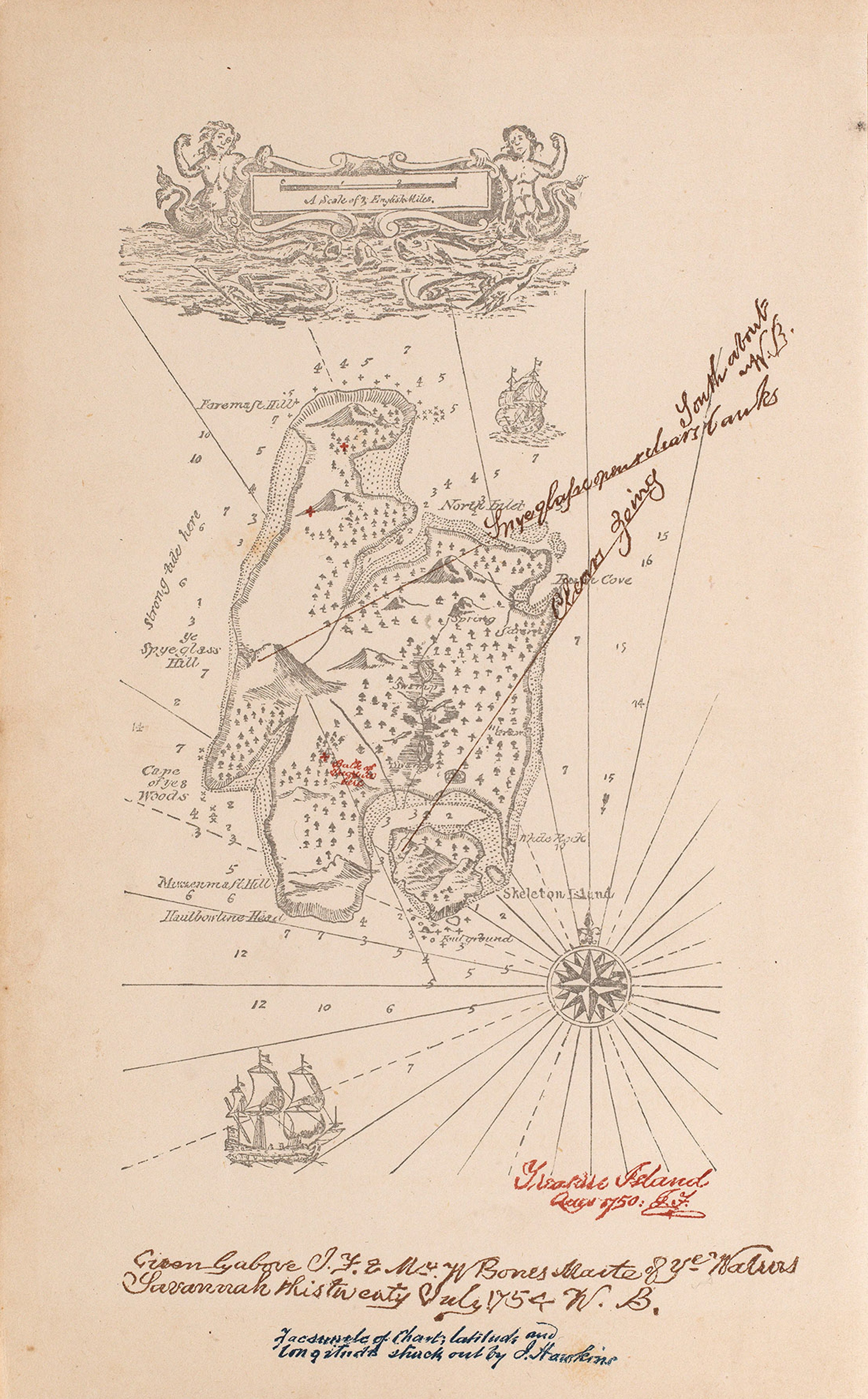
The map from Treasure Island (1883) by Robert Louis Stevenson. ©Ex Carta
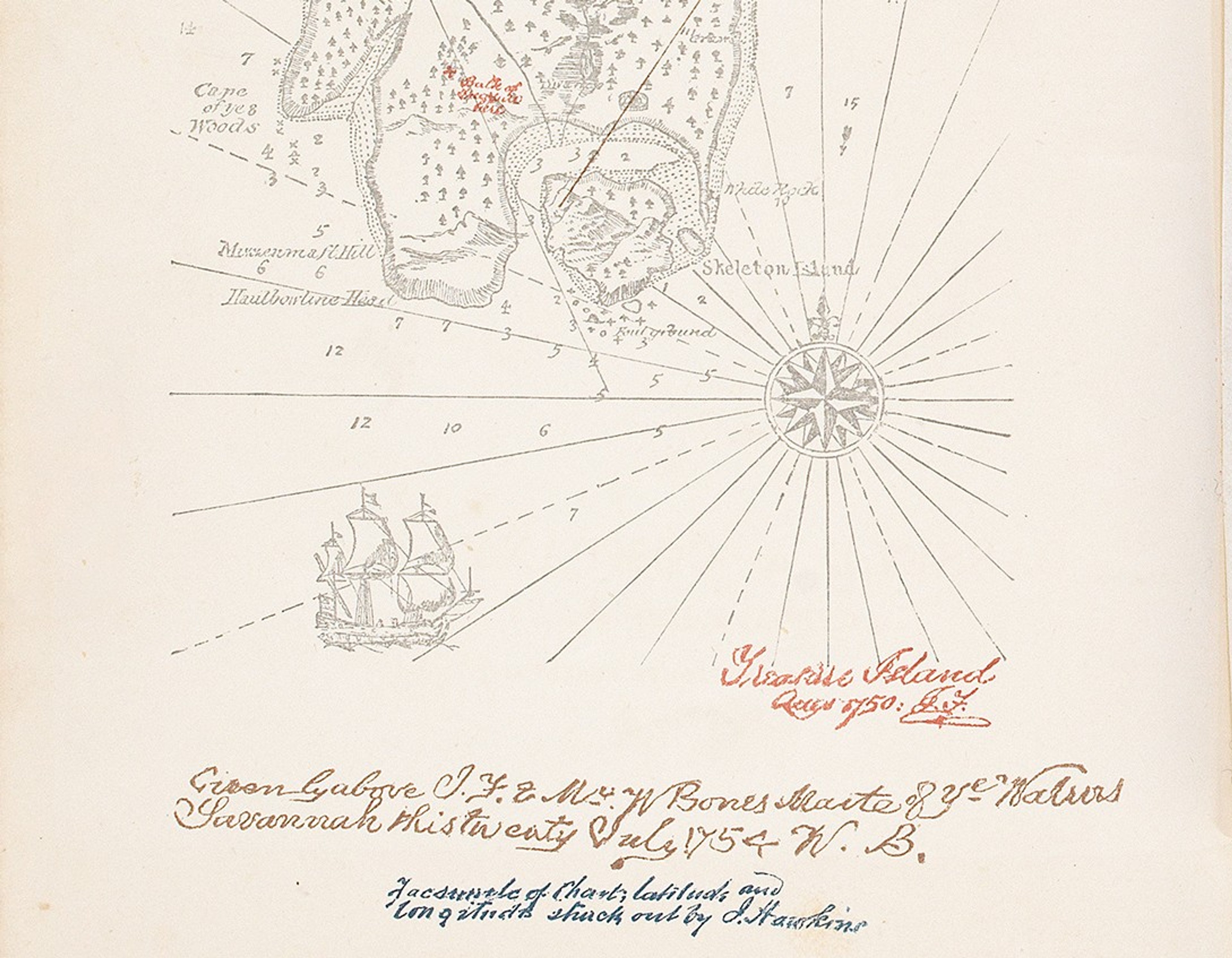
The fine copy of Treasure Island (1883) in Ex Carta, published shortly before, demonstrates that Robert Louis Stevenson (1850-1894) had achieved something similar with his own legendary map, depicted with annotations by some of the novel’s characters.
The King Solomon’s Mines fold-out map still looks strikingly vivid today, anachronistically like one of Ex Carta’s movie props such as the Map to the Holy Grail (1989) or the Map of Hamunaptra (1999).
Lost Worlds
When Arthur Conan Doyle (1859–1930), creator of Sherlock Holmes, decided to emulate Haggard with his novel The Lost World (1912), he knew the endeavour would have to involve maps.
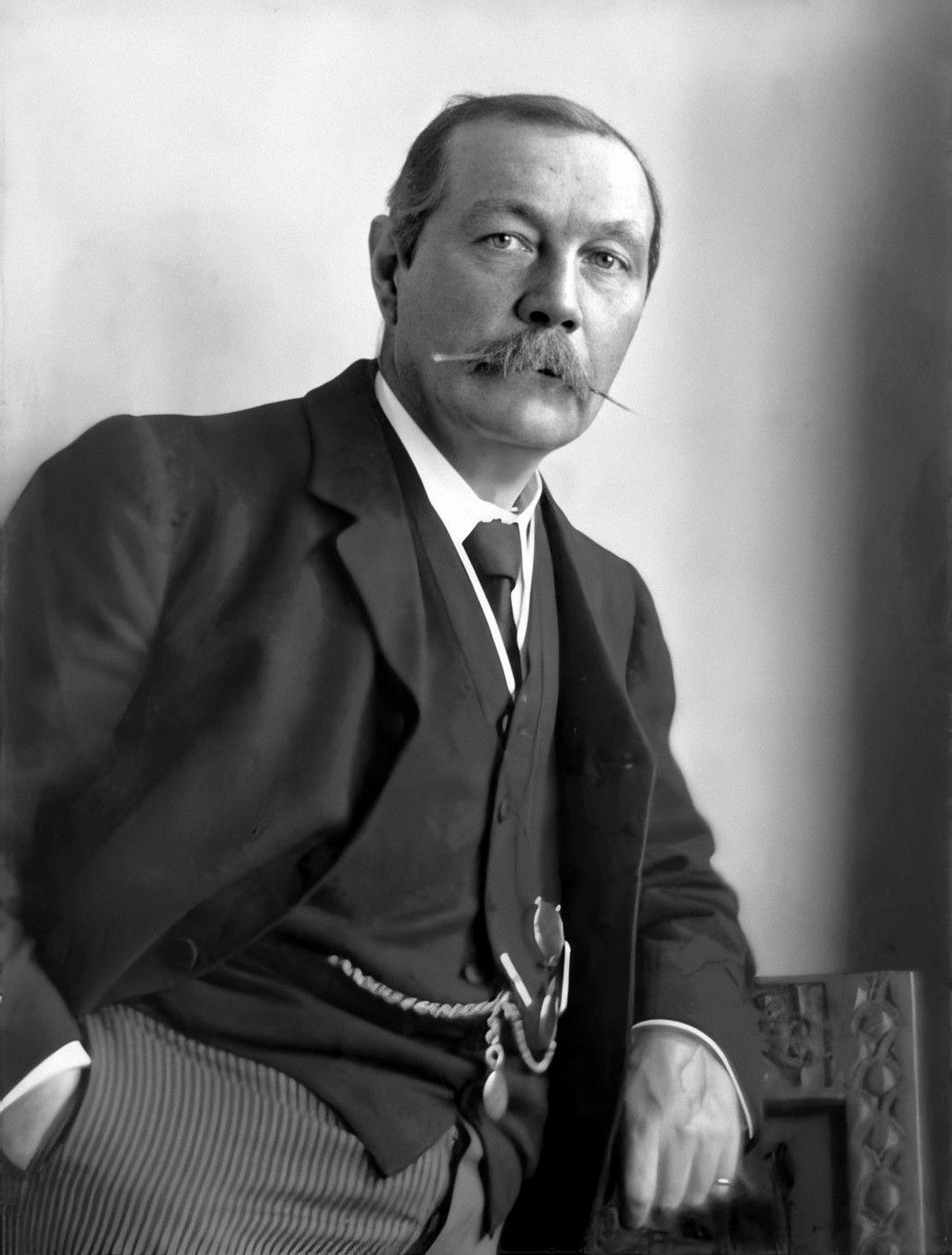
Arthur Conan Doyle By Walter Benington (1914). Public Domain.
Conan Doyle’s adventure describes a scientific expedition to a remote region of the Amazon, in order to authenticate an alleged population of dinosaurs atop an isolated plateau.
The conceit was not wholly original: Jules Verne’s Journey to the Centre of the Earth had postulated such prehistoric survivals in 1864.
However, in naming his novel, Conan Doyle unwittingly gave this new fantasy genre, which coalesced with King Solomon’s Mines, its name: the ‘Lost World’ narrative. [12]
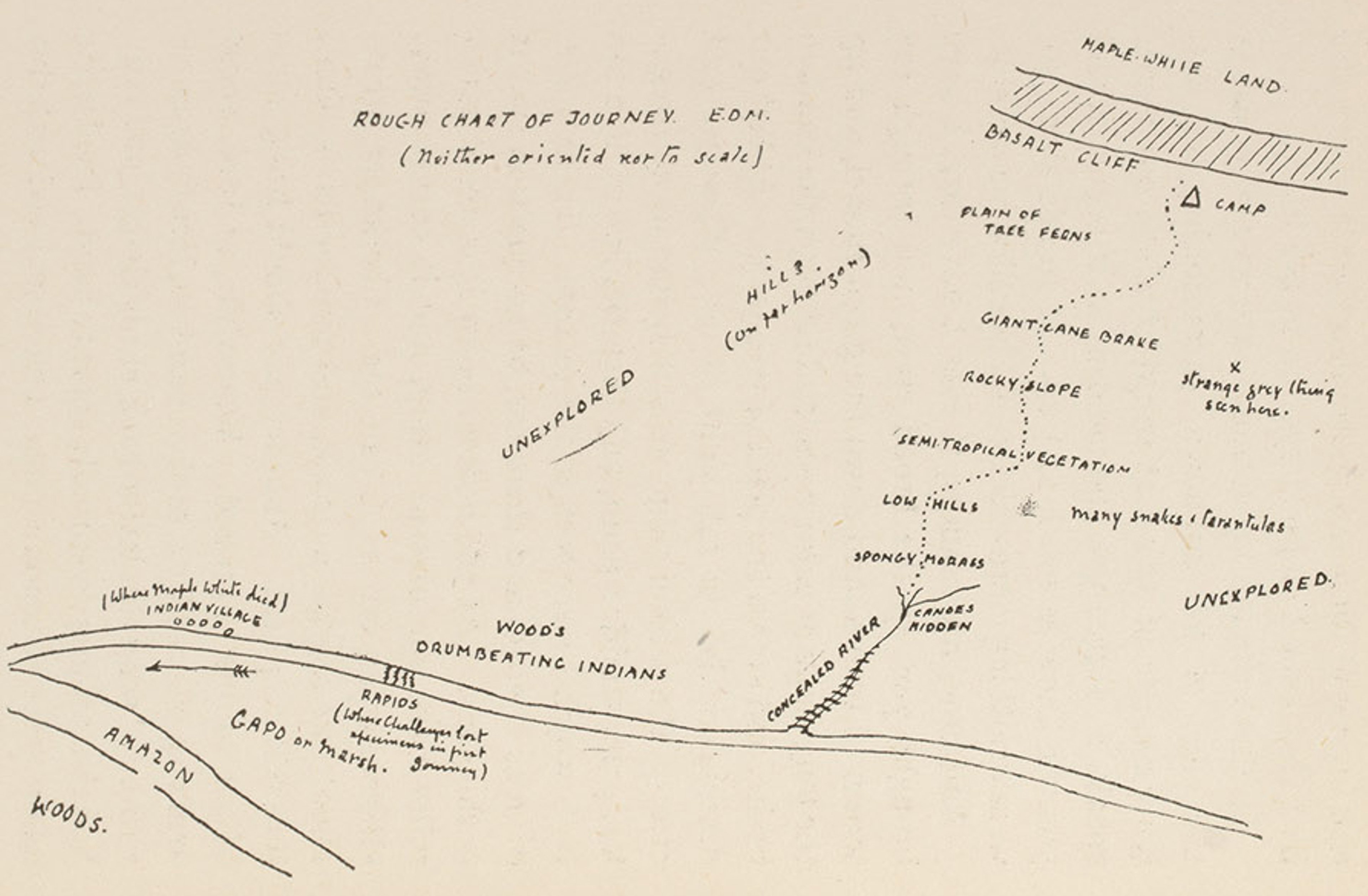
Sketch map from The Lost World (1912) by Arthur Conan Doyle. With thanks to The Conan Doyle Estate. Image courtesy of Ex Carta.
That phrase stuck because it is particularly apt: Lost World narratives are predicated on the idea that great civilisations or ecosystems have been lost to modernity yet persist in secret, waiting for the intrepid - usually European - explorer to discover them, rewarded in that risky endeavour with both material wealth and spiritual and scientific knowledge.
In The Lost World (1912), for example, Professor Challenger makes incredible zoological discoveries, while the hunter Lord John Roxton discovers diamonds on the plateau, making them all extremely rich. It is worth noting that Haggard addresses such acquisitiveness head-on in King Solomon’s Mines, with the Kukuana King, Ignosi, denouncing Quatermain’s preoccupation with diamonds:
‘Now do I perceive,’ said Ignosi, bitterly, and with flashing eyes, ‘that it is the bright stones that ye love more than me, your friend. Ye have the stones; now would ye go to Natal and across the moving black water and sell them, and be rich, as it is the desire of a white man’s heart to be. Cursed for your sake be the stones, and cursed he who seeks them […][13]
She (1887), Haggard’s next book, was a further Lost World novel set in Africa; but this time his focus was far more metaphysical than worldly. The protagonists discover the lost city of Kôr, whose civilisation predates the Egyptian dynasties, in which lies the secret of immortality. There is an echo here of the popular, though likely apocryphal, claim that the Spanish conquistador Juan Ponce de León (c.1474–1521) searched around what is now Florida and the Bahamas for the ‘Fountain of Youth’, rather than the more usually sought after El Dorado.[14]
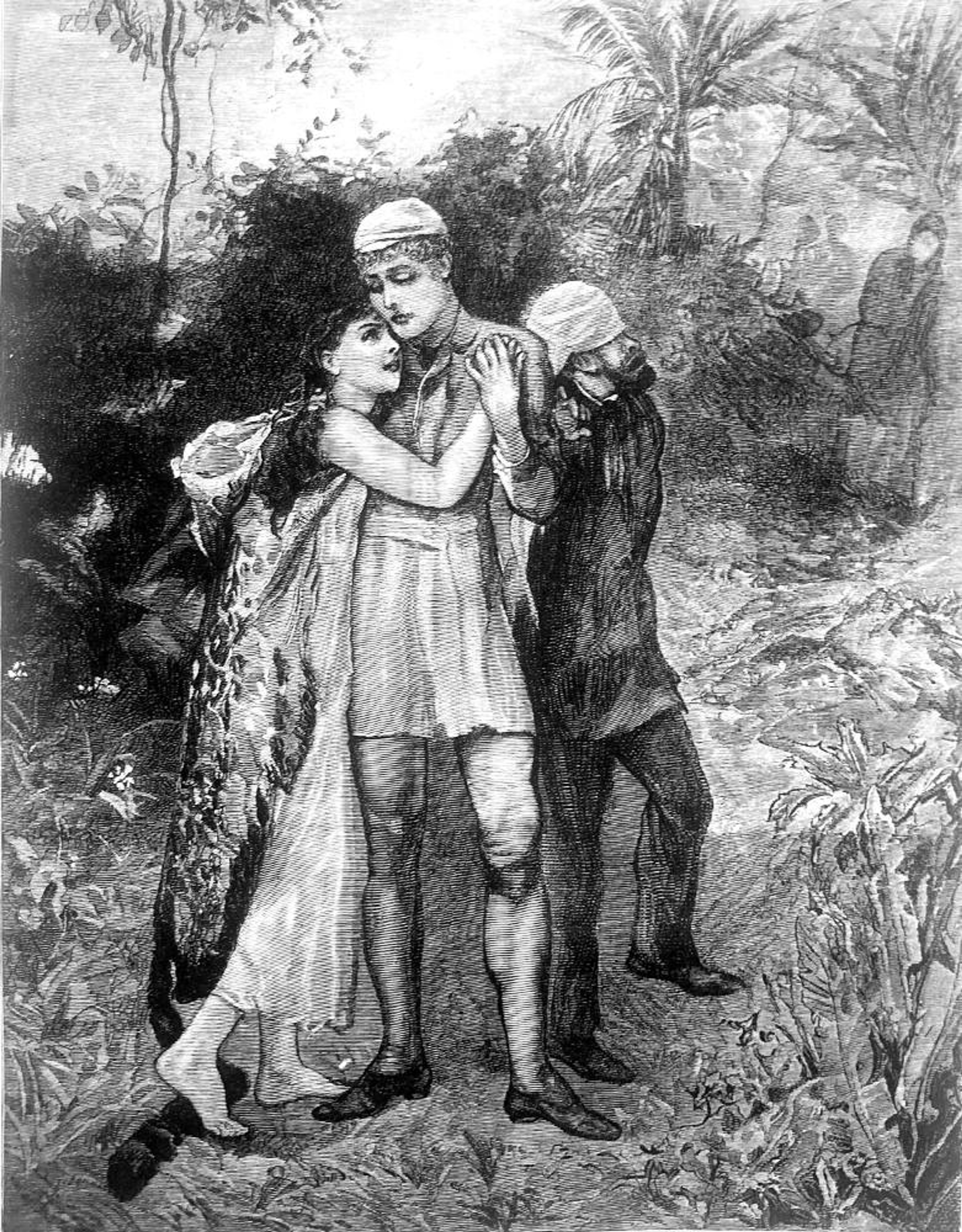
Illustration by Edward Killingworth Johnson for H. Rider Haggard’s She (1886) featured in The Graphic Magazine. Credit: Philip V. Allingham, via victorianweb.org.
After Conan Doyle’s The Lost World, the genre gathered pace, given a new vitality by the burgeoning phenomenon of pulp magazines - named after the low-grade paper they used to keep printing costs down. (Their more upmarket counterparts were called the ‘slicks’, due to their glossy covers.) In the same year that Conan Doyle’s novel was published, readers of the pulp magazine The All-Story were gripped by the serial Tarzan of the Apes by Edgar Rice Burroughs (1875–1950).
Over the course of Tarzan’s adventures spanning 23 sequels, he occasionally visited Opar, a lost colony of Atlantis reminiscent of Haggard’s Kôr. Like the fabled Timbuktu and El Dorado, Opar contained vast reserves of wealth. In Tarzan at the Earth’s Core (1929–30), Tarzan journeys to another of Burroughs’s creations: the realm of Pellucidar, a subterranean realm of the type that constitutes a subgenre of the Lost World narrative, the Hollow Earth tale.
Burroughs wrote a whole series of Pellucidar novels, which depicted an underground region populated – like Verne’s Journey to the Centre of the Earth –with monstrous dinosaurs and prehistoric peoples. Similarly, Burroughs’s The Land That Time Forgot (1918) is more or less a reiteration of The Lost World. The twist is that a prehistoric ecosystem has survived in an isolated Antarctic island with its own microclimate.
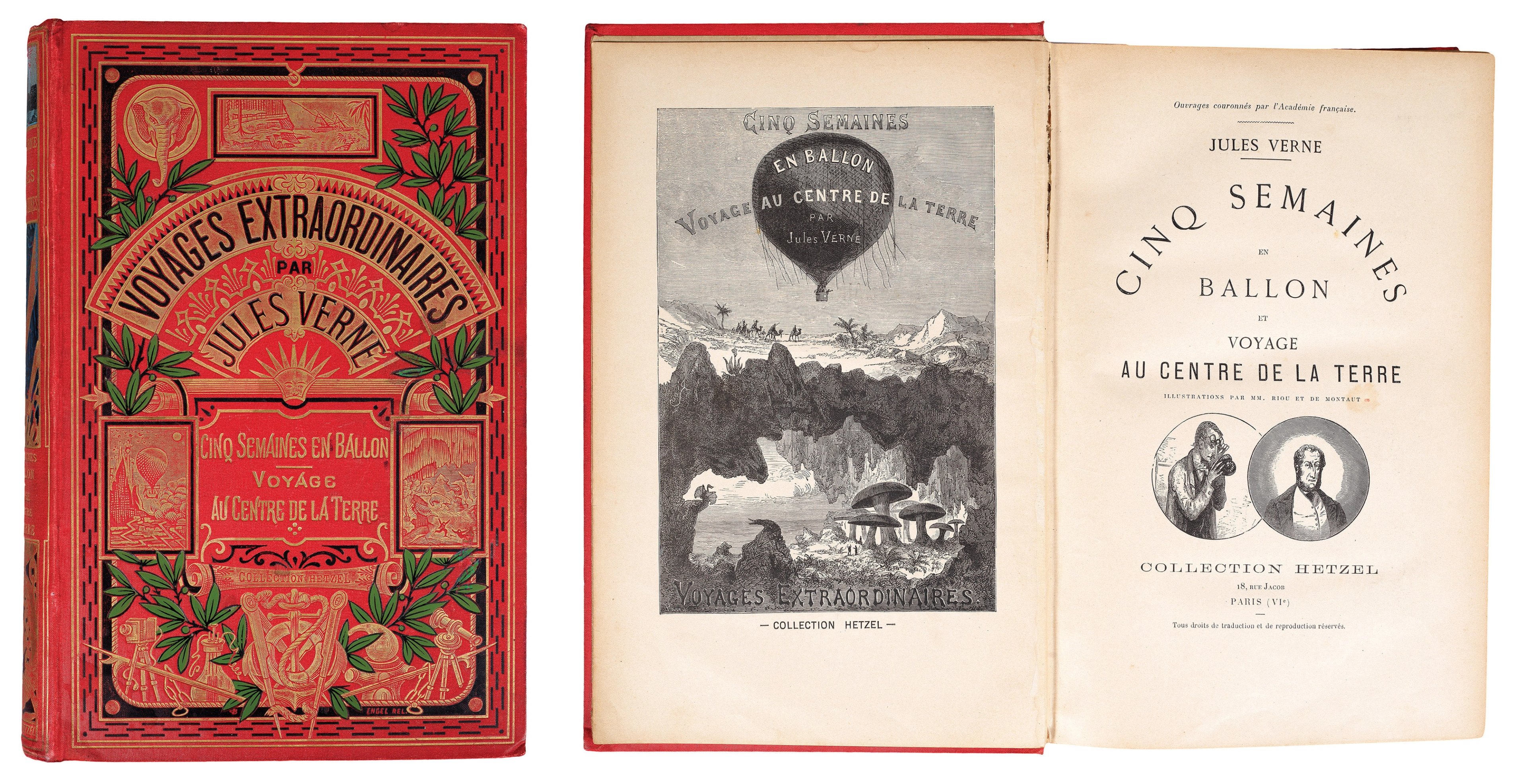
Jules Verne’s Journey to the Centre of the Earth, from the Voyages Extraordinaires series (1867-1919). ©Ex Carta
Other pulp lost worlds introduced even more fantastical and horrific elements, as befitting what was emerging at the time as an apex of ‘weird fiction’: the sinister and genre-bending writing of H. P. Lovecraft (1890–1937) and the other authors associated with the pulp title Weird Tales. Hence though Lovecraft’s At the Mountains of Madness (1931) is set in the uncharted Antarctic, it is not anything as legible as dinosaurs that are encountered by its scientific expedition. Rather, its lost world is a relic of an utterly alien civilisation millions of years old. Its fantastical architecture contains dioramas suggesting aeons of inscrutable history involving interdimensional and interplanetary conflict.
In another Lovecraft novella, The Mound (written 1929–30), the central mystery is introduced via the discovered testimony of a character much like Haggard’s da Silvestra, a sixteenth-century Spanish explorer. What lurks deep within a lonely region of Oklahoma is a horrifically decadent, alien civilisation named K’nyan, which has attained immortality and worships strange, monstrous gods.
Robert E. Howard (1906–1936), one of Lovecraft’s fellow ‘Weird Tales’ writers and the creator of Conan the Barbarian, wrote a series of stories relating the adventures of a sixteenth-century English Puritan swordsman named Solomon Kane as he battles the forces of darkness. Several of these tales see Kane travelling in Africa, where — in The Moon of Skulls (1930) — he visits Negari, a lost city connected to the legend of Atlantis.
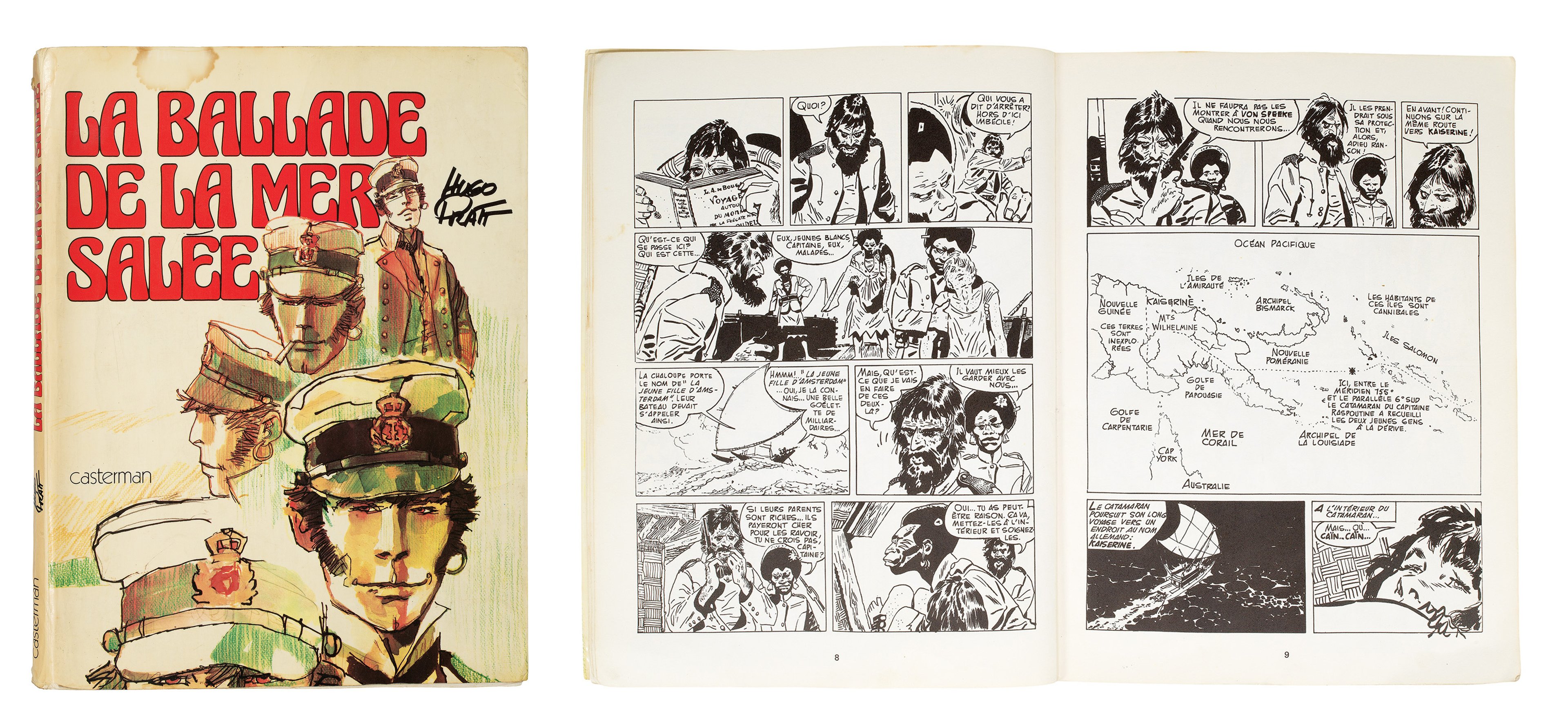
The first Corto Maltese adventure La Ballade de la Mer Salée or The Ballad of the Salty Sea (1975) by Hugo Pratt. ©Casterman. Image courtesy of Ex Carta
Writing about ‘lost lands and continents’ in fantasy, science-fiction author and critic Brian Stableford (1948–2024) observed that the trope had ‘gradually fallen into disuse by virtue of increasing geographical knowledge’.[15] We may be reminded again of Marlow’s melancholic disappointment that the map of Africa was ‘not a blank space anymore’.
The Lost World genre and the aesthetic and tropes of the Imperial Romance persisted, however, very vigorously in two ways: the first framed the Lost World as a historically distinct category of narrative; the second looked beyond the newly-charted earth and to the stars for new blank spaces upon which to create worlds.
There are several items in Ex Carta that demonstrate both further iterations of the Lost World and Imperial Romance genres, and how they have persisted through time. They survive principally as a historical aesthetic, harking back to a time when for Europeans and Americans, other regions of the earth were still discoverable in a way that, especially in the globalised tech-connected world of today, seems a lost world in itself.
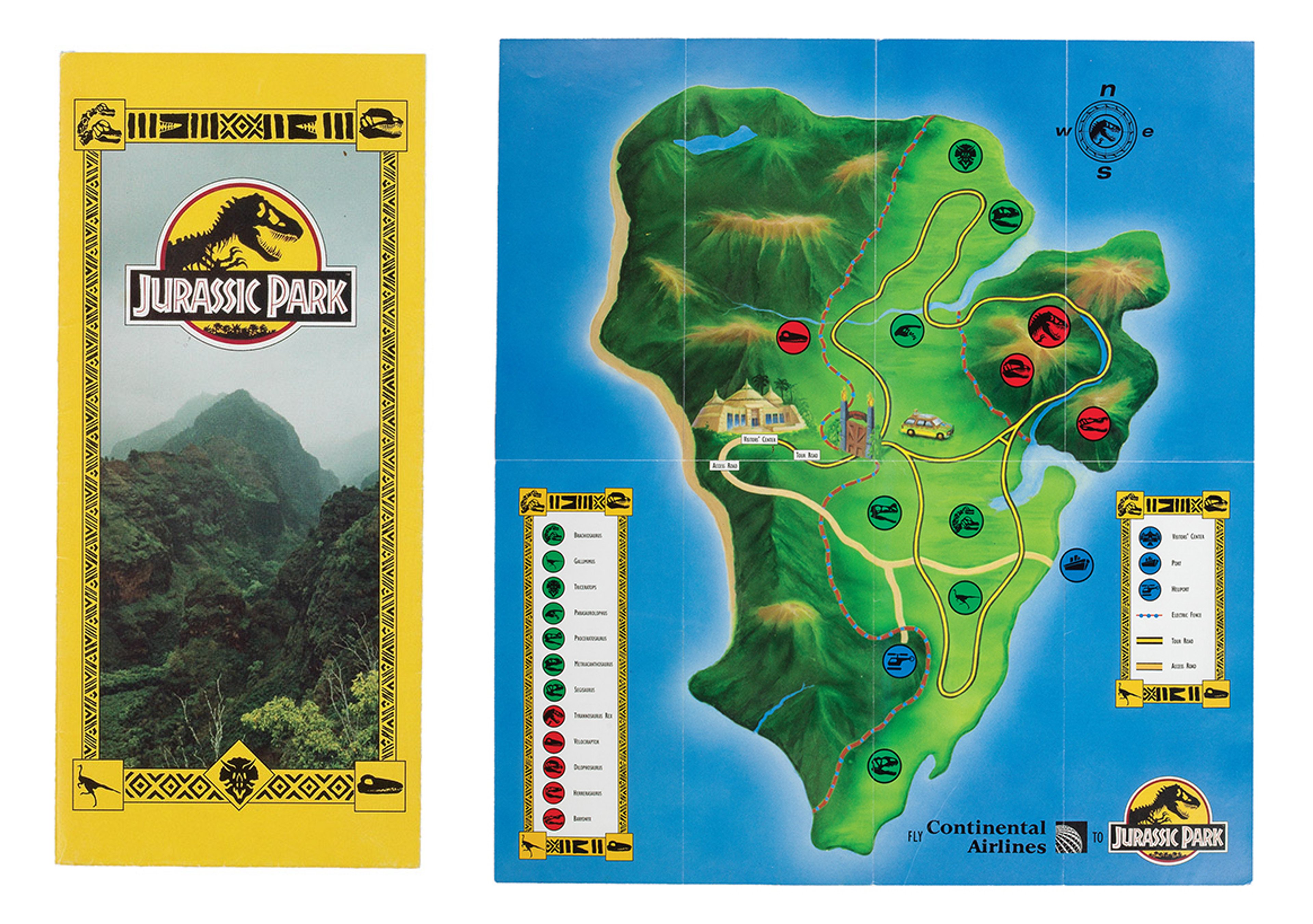
The Adventures of Corto Maltese, for example, created in the 1960s by Hugo Pratt (1927–1995), had to be set decades earlier to make them credible. The movie prop maps from Indiana Jones and the Last Crusade (1989) and The Mummy (1999) are, similarly, exercises in historical fiction and arguably nostalgia, attempting to capture the age of pulp exuberance, with frontier lands of desert ruins and sinister cults. And as the prop map from Jurassic Park (1993) in Ex Carta demonstrates, that film side-stepped the problem of credibility with the conceit that a new Lost World had been intentionally created using contemporary technology.
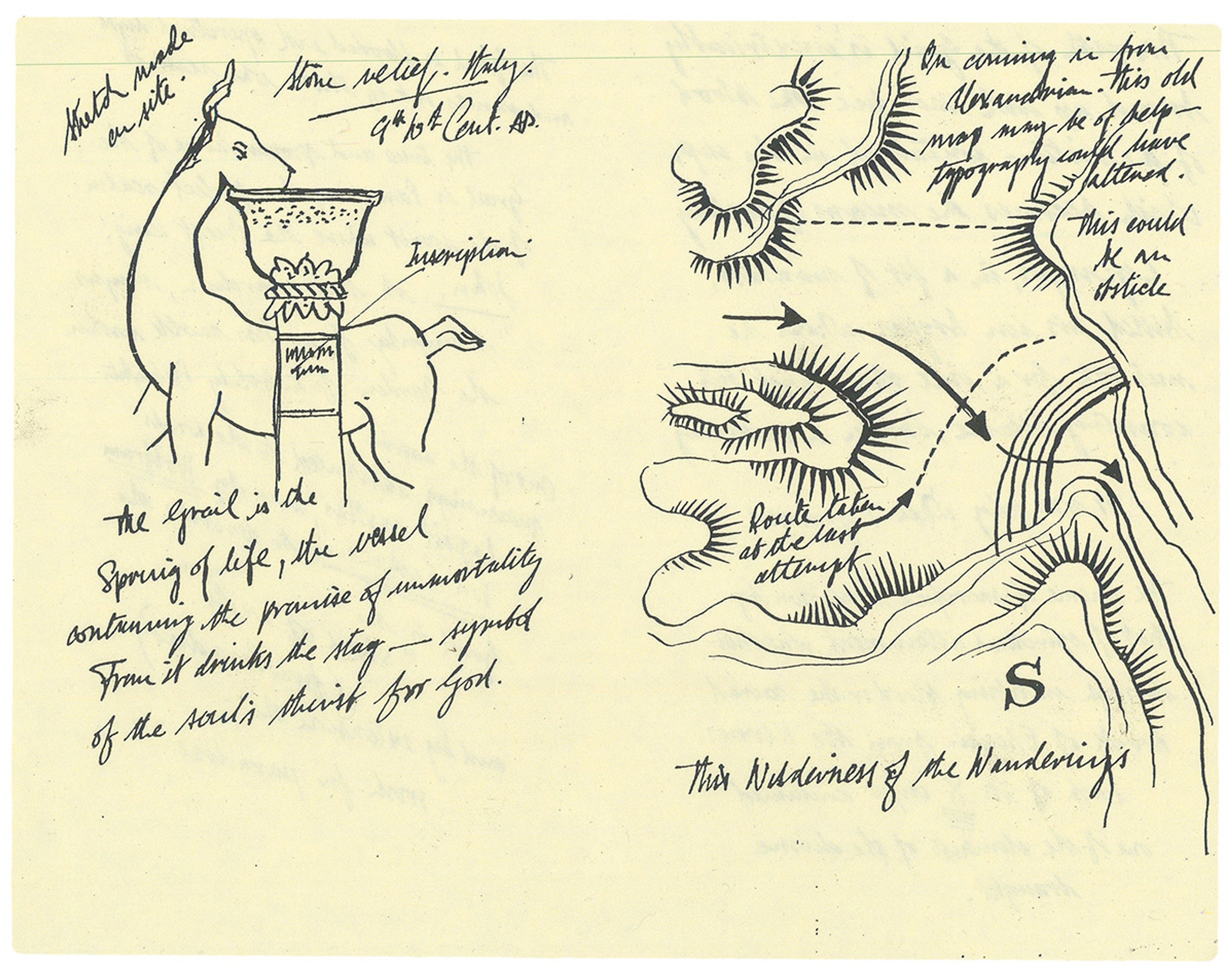
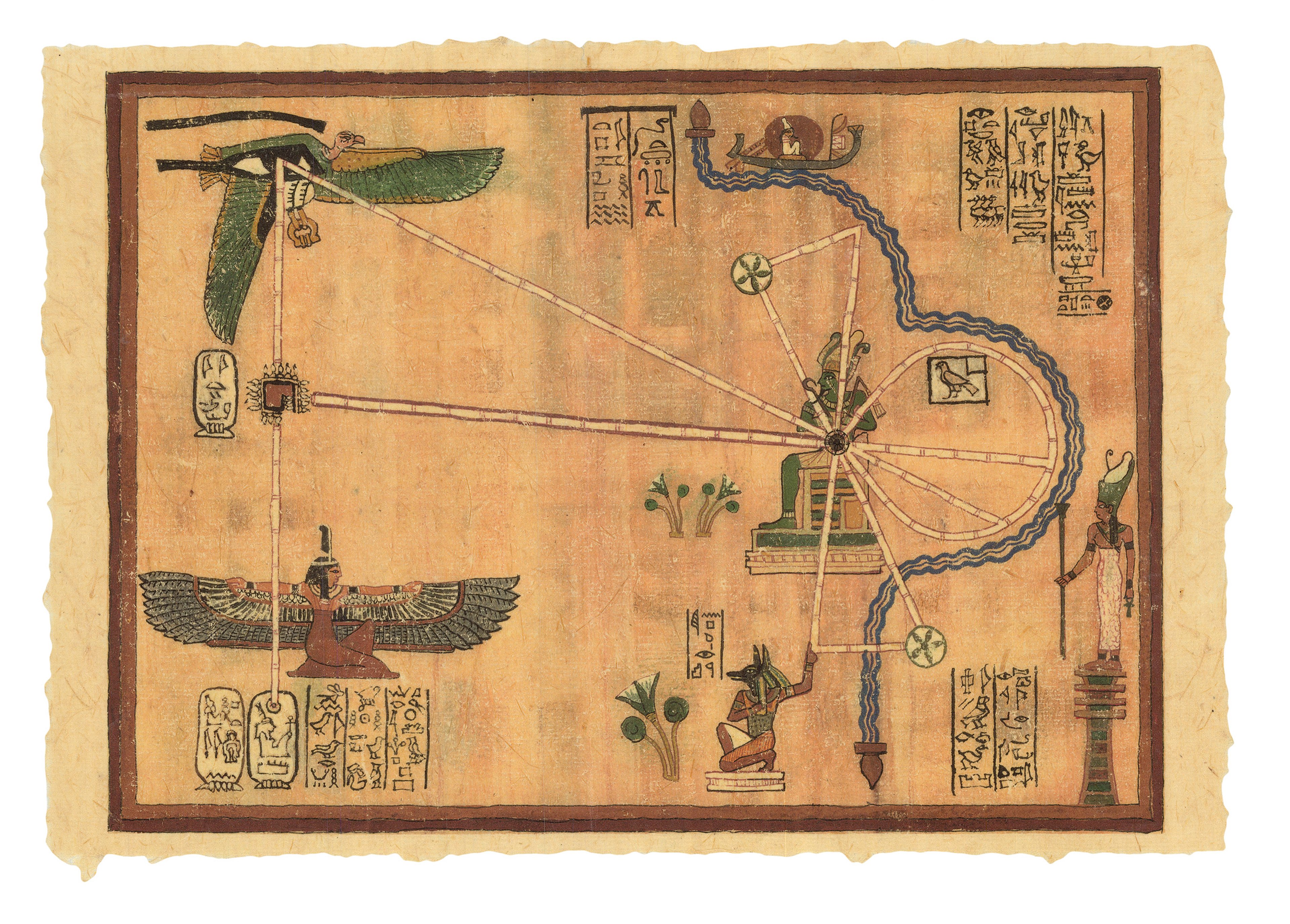
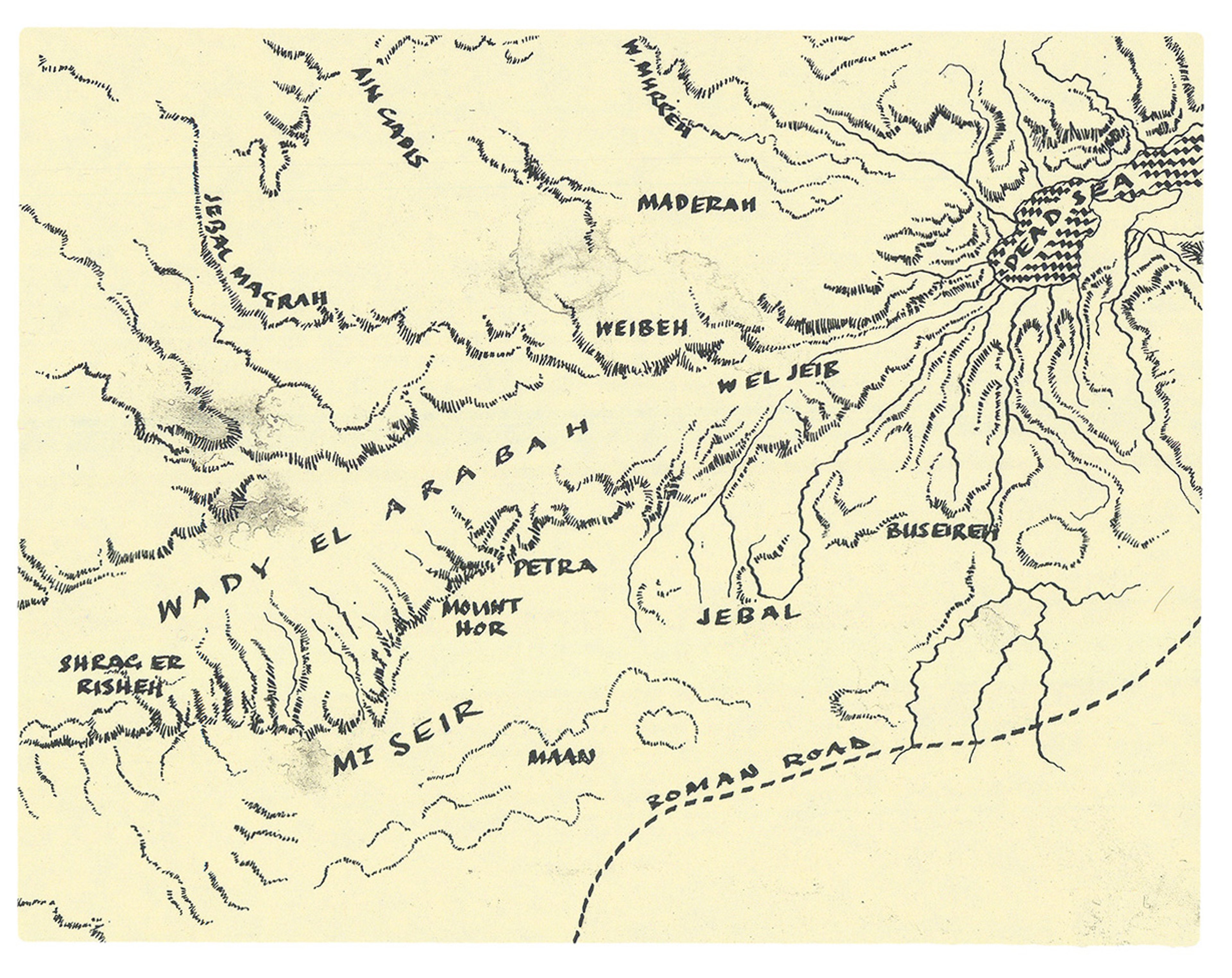
From 1996, the Tomb Raider series of video games enjoyed massive success using a similar aesthetic, contemporary set but playing fast and loose with geographical reality – one of the highlights of the first game in the series was the ‘Lost Valley’, which combines the long-established tropes of the Lost City and Hollow Earth, complete with a tyrannosaurus rex. In the current century, the video-game series Uncharted (2007–2017) has enjoyed considerable success using the template established by Tomb Raider, its title neatly capturing its world full of implausibly undiscovered sites such as El Dorado, Shambhala, and even a Madagascan pirate utopia.
Marvel’s Black Panther (2018), by contrast, uses the Lost World trope with what is arguably a more direct lineage to the thriving, dynamic kingdom of Kukuanaland in King Solomon’s Mines. The hidden nation of Wakanda, rich in resources and concealed from the outside world, is powerfully recast as an Afrofuturist counter-history of Black innovation and sovereignty, rather than an object of colonial discovery or exploitation.
Planetary Romance
As to the second development of the Imperial Romance and the Lost World narrative, as Brian Stableford suggests, as the world grew smaller into the early twentieth century, so the literary imagination sought more plausible venues for fantastical adventures. As several items in Ex Carta demonstrate, Mars was an early preoccupation. It would be wrong to suggest that there was a sudden switch from Imperial Romance/Lost World narratives to science fiction, but the emergence of the subgenre known as Planetary Romance is a clear demonstration of how writers sought out fresh ground.
Burroughs was one of those who made the leap early from lost regions of earth to the unknown realms of our neighbouring planets with his A Princess of Mars, which was first serialised in The All-Story Magazine in 1912, the same year as the publication of his first Tarzan story and Conan Doyle’s The Lost World. Burroughs’s Mars was riven by conflict and competition for resources and, despite some fantastically advanced technology, seems far closer in spirit to Haggard’s lost city of Kôr than science fiction.
The genre Planetary Romance became increasingly sophisticated and developed beyond its pulp roots, through the work of authors such as C. S. Lewis (1898–1963) and then Ursula K. Le Guin (1929–2018) – but the story of science fiction in the twentieth century is beyond the scope of this text.
The aesthetics and tropes of the Imperial Romance and the Lost World adventure are now firmly rooted in a specific historical period, and widely acknowledged to be freighted with outmoded assumptions regarding European supremacy. However, the case of Azania, as contextualised in Ex Carta and The Sunderland Collection, offers an intriguing complication. This is a name associated with ancient geography, preserved through European cartography and literature, that later reappears in modern political discourse.
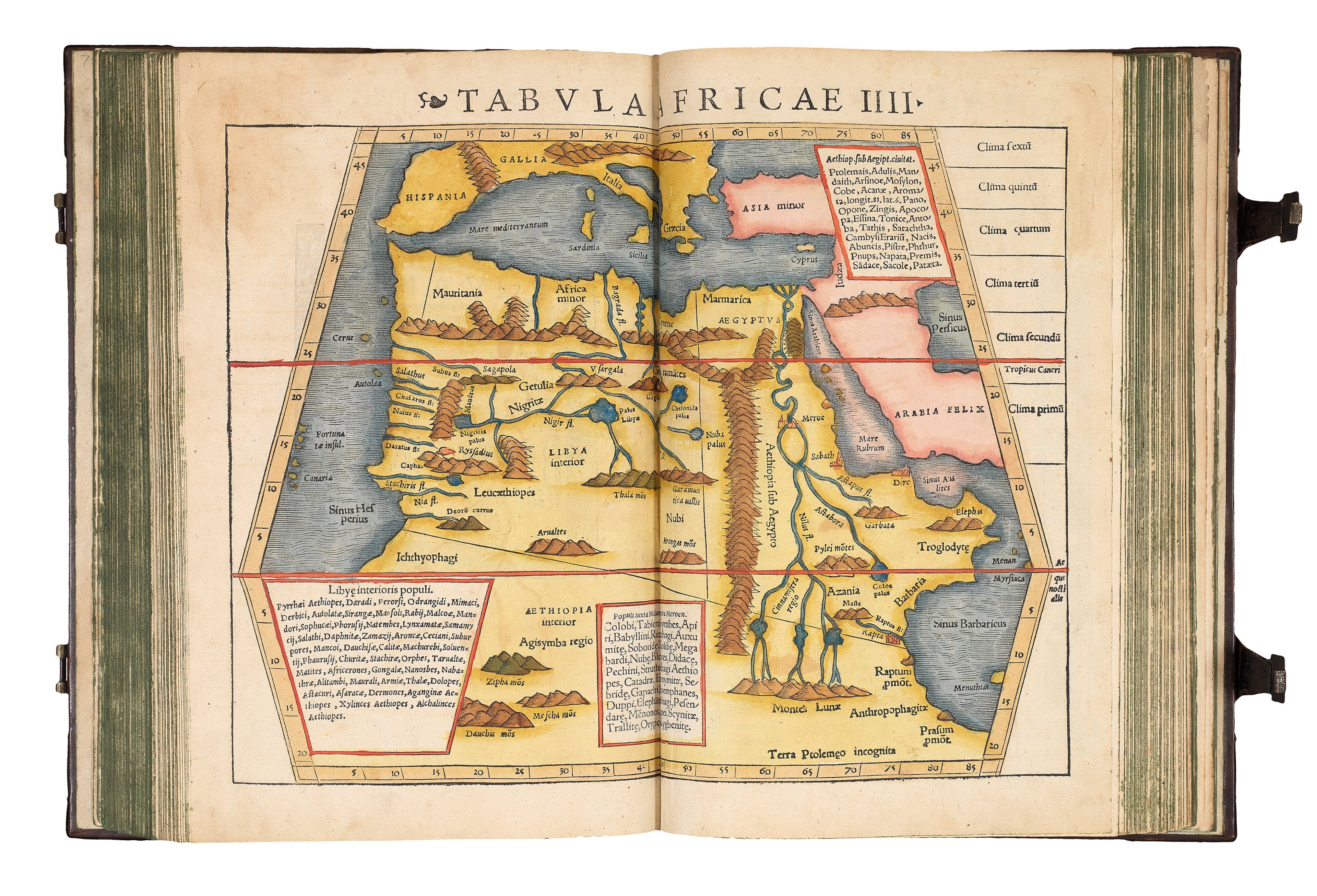
Map of Northern Africa showing the Mountains of the Moon, from Sebastian Münster’s Geographia (1540) ©The Sunderland Collection
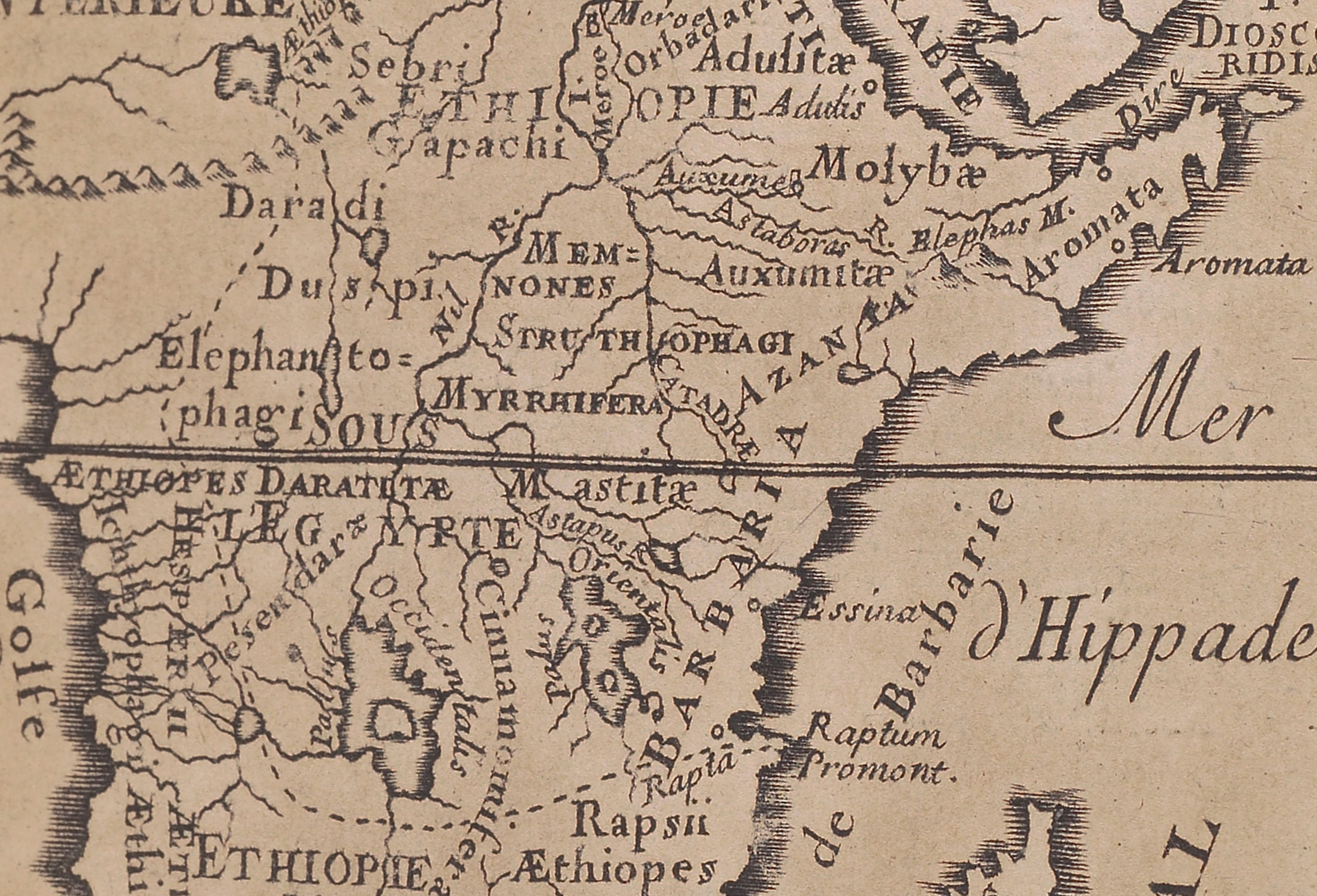
Alain Manesson Mallet’s Map of ancient Eastern Africa from his atlas Description de L’Univers (1683). Public Domain via the Library of Illinois.
The territory of Azania dates geographically back to at least the Roman period and was used by Claudius Ptolemy (c.100–c.170 CE) and subsequent cartographers and historians in various contexts relating to eastern Africa. It appears, for example, in Sebastian Münster’s (1488–1552) edition of Ptolemy’s Geographia (1540) and in Alain Manesson Mallet’s (1630–1706) map of East Africa in his Description de L’Univers (1683), labelling a region broadly corresponding to coastal Kenya and Tanzania.[16] Cary’s New Map of Africa also labels a similar area bordering an eastern mountain range with that name.
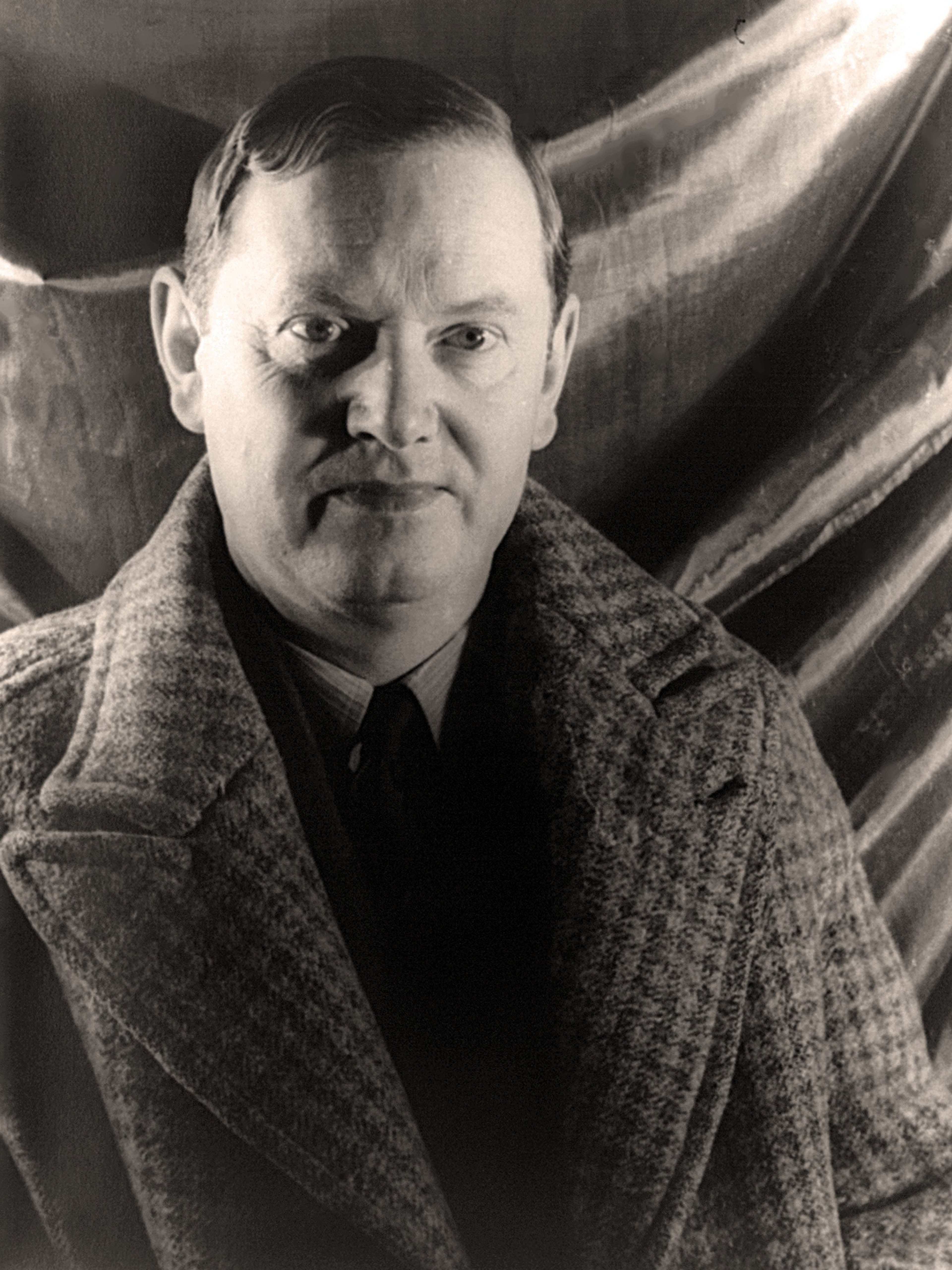
Evelyn Waugh by By Carl Van Vechten (c1940). Public Domain via the Library of Congress.
In the 1930s, Evelyn Waugh (1903–1966) revived Azania for his fictitious island nation off the coast of East Africa, in the 1932 satirical novel Black Mischief. By the mid-twentieth century, references to this territory had begun to be used in the context of emergent African nationalist movements.
In 1965, Waugh’s writing ‘attracted the attention of ideologues at the Pan-African Congress’, some of whom contacted Waugh for details. He confirmed that he only knew it as ‘the name of an ancient East African kingdom’.[17] Azania has periodically resurfaced in proposals to establish a new post-colonial South African identity, most recently in 2025.[18]
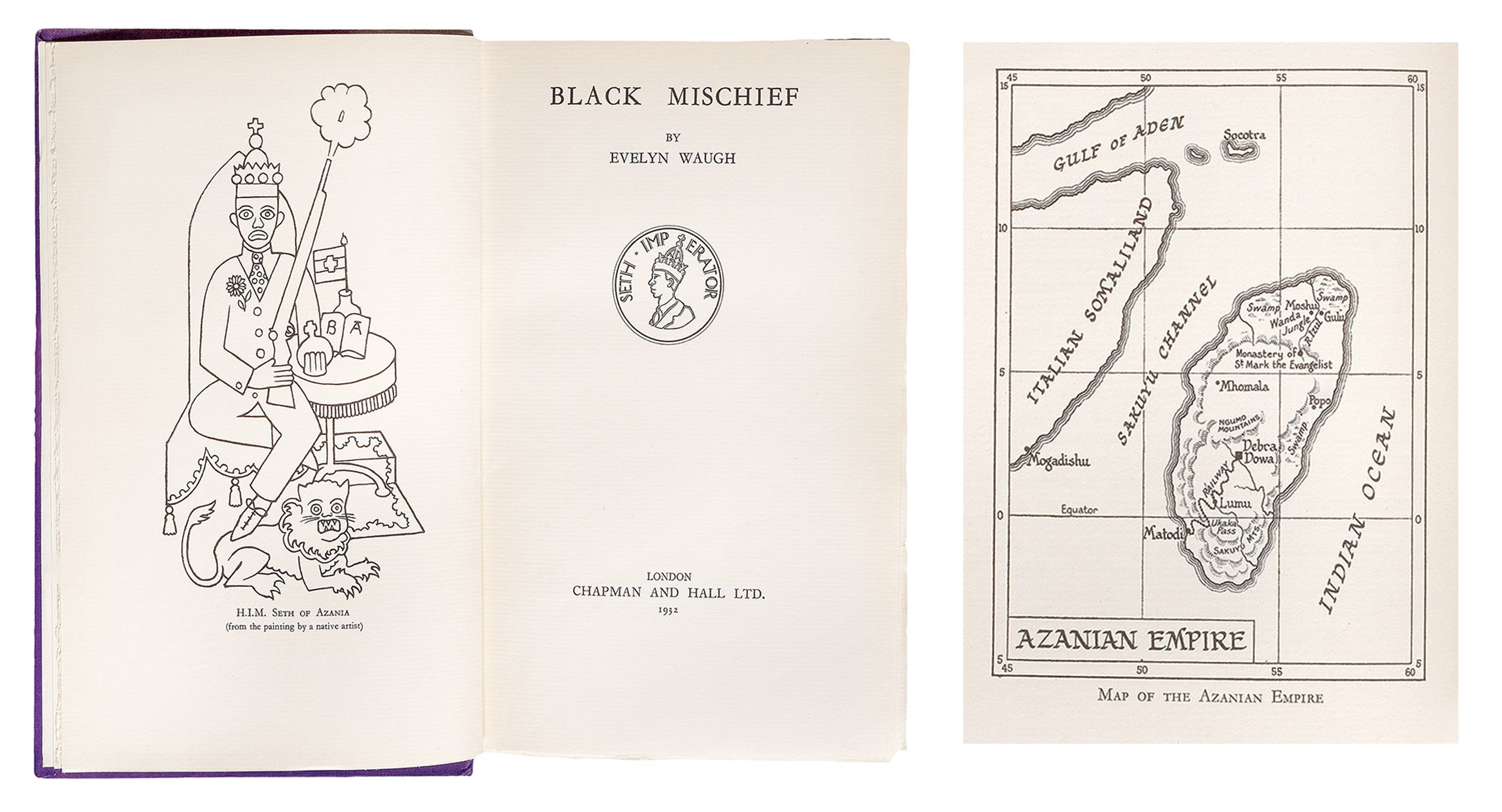
Title page and map of the Azanian Empire from Evelyn Waugh’s Black Mischief (1932). ©Evelyn Waugh Estate c/o The Wylie Agency. Images courtesy of Ex Carta.
This convoluted history confounds the standard dynamic traced through so much Imperial Romance. The blank or conjectural spaces of the map once invited European writers to fill them with lost kingdoms, treasures, monsters and prehistoric survivals. The case of Azania, however, demonstrates how cartography at once links and complicates any clear separation between imagination, literary invention, history, geography, and contested politics. In this sense, Azania – a name preserved in ancient geography, European cartography, and English fiction – returns not as a Lost World to be discovered, but as a name through which some South Africans imagine what their country might become.
About James Machin

James Machin is a Visiting Research and Knowledge Exchange Fellow at Goldsmiths, University of London. He is a writer, researcher, editor, and archivist specialising in Gothic, weird, and fantastic literature of the long nineteenth and early twentieth centuries. James is also the cataloguer for Ex Carta.
He is the author of Weird Fiction in Britain 1880–1939 (Palgrave, 2018) and editor of Arthur Conan Doyle’s The Stark Munro Letters for Edinburgh University Press (2024), where he is also Technical Editor for the Edinburgh Edition of the Works of Arthur Conan Doyle.
James’ recent editorial work includes The Strange Stories of John Buchan for British Library Publishing (2025). He is a member of the Decadence Research Centre at Goldsmiths, University of London, and has taught at Birkbeck, University of London, the Royal College of Art, and the University of Bedfordshire.
His work often explores archives, imagined geographies, lost worlds, strange landscapes, and the material culture of fiction. A lifelong role-playing game enthusiast, he runs long-standing campaigns in Call of Cthulhu and Dungeons & Dragons.
More from James Machin
Glossary
Imperial Romance
A popular adventure genre associated especially with the late nineteenth century, when the expansion of the British Empire and the ‘Scramble for Africa’ encouraged fantasies of remote territories as spaces of danger, treasure, and discovery. Imperial Romance often follows European explorers into regions imagined as mysterious or unmapped, where they encounter lost kingdoms, ancient cultures, exotic peoples, and fabulous wealth.
Lost Worlds
A form of adventure fiction centred on a hidden, isolated or inaccessible region where a lost civilisation, culture or ecosystem has survived beyond the reach of modern history and scientific knowledge. Although the idea predates Arthur Conan Doyle’s The Lost World (1912), that novel gave the genre its most enduring name and helped establish many of its familiar features: remote plateaux, prehistoric survivals, scientific expeditions, and the revelation of a world thought lost to time.
Planetary Romance
A form of Science Fiction or Science Fantasy in which adventure takes place on an alien world whose landscapes, peoples, creatures and cultures are central to the story. Descended in part from Imperial Romance and Lost World traditions, it often blurs the line between technology and magic, presenting alien planets as equivalents of fantasy Secondary Worlds.
You can find more definitions in our Glossary.
Footnotes
The Fin de Siecle: A Reader in Cultural History, 1880-1900, ed. by Sally Ledger and Roger Luckhurst (2003), p133.
Heart of Darkness, Joseph Conrad (Penguin, 1989), p33.
Ibid.
Orientalism, by Edward Said (Vintage Books, 2003), p331.
Orientalism, by Edward Said (Vintage Books, 2003), p57.
Ibid.
An Image of Africa: Racism in Conrad’s Heart of Darkness by Chinua Achebe (Mont Clair State University, 1975) Accessed 1 June 2026.
Imperial Expectations and Realities: El Dorados, Utopias and Dystopias. Studies in Imperialism, by Andrekos Varnava (Manchester University Press, 2015), p3-4.
The Atlantic Experience: People, Places, Ideas, by Catherine Armstrong and Laura M. Chmielewski (Bloomsbury Academic, 2013), p66.
The Atlantic Experience: People, Places, Ideas, by Catherine Armstrong and Laura M. Chmielewski (Bloomsbury Academic, 2013), p31-32.
The Great God Pam and The Hill of Dreams, by Arthur Machen (Dover, 2006), p71.
Louis Pope Gratacap, A Curator of Lost Worlds, by Richard Fallon (The Public Domain Review, 2026), Accessed 18 June 2026.
King Solomon’s Mines, by H. Rider Haggard, ed. by Dennis Butts (Oxford University Press, 1991), p190.
The Atlantic Experience: People, Places, Ideas, by Catherine Armstrong and Laura M. Chmielewski (Bloomsbury Academic, 2013), p38.
The Encyclopaedia of Fantasy, ed by John Clute (Orbit Press, 1997), p594.
Ptolemaic Map of Ethiopia, Libya, and Egypt, by Laurent Fries (1540) on Oculi Mundi Accessed 3 April 2026.
Peoples of Azania, Electronic Antiquity: Communicating the Classics 1.5, by John Hilton (1993).
Proposal to Change the Name of South Africa, by Malcolm Libera (BusinessTech, 2 July 2025) Accessed 3 April 2026.
Selected Bibliography
Armstrong, Catherine, and Laura M. Chmielewski, The Atlantic Experience: Peoples, Places, Ideas (Bloomsbury Academic, 2013)
‘Chinua Achebe, “An Image of Africa: Racism in Conrad’s Heart of Darkness”’, n.d. <https://msuweb.montclair.edu/~furrg/pursuits/xachebehod.html> [accessed 1 June 2026]
Clute, John (ed.), The Encyclopedia of Fantasy (Orbit, 1997)
Conrad, Joseph, Heart of Darkness (Penguin, 1989)
Haggard, H. Rider, King Solomon’s Mines, ed. by Dennis Butts (Oxford University Press, 1991)
Hilton, John, ‘Peoples of Azania’, Electronic Antiquity: Communicating the Classics, 1.5 (1993)
Ledger, Sally, and Roger Luckhurst (eds), The Fin de Siecle: A Reader in Cultural History, 1880-1900 (2003)
Libera, Malcolm, ‘Proposal to Change the Name of South Africa’, BusinessTech, 2 July 2025 <https://businesstech.co.za/news/government/830241/proposal-to-change-the-name-of-south-africa/> [accessed 3 April 2026]
Machen, Arthur, The Great God Pan and The Hill of Dreams (Dover, 2006)
Mallet, Alain Manesson, Description de L’Univers, 5 vols (D. Thierry, 1683), iii
‘Ptolemaic Map of Ethiopia, Libya, and Egypt’, Oculi Mundi, n.d. <https://oculi-mundi.com/collection/maps/SC-A-1540-Munster-Geographia-xvi?viewingMode=research> [accessed 3 April 2026]
Said, Edward W., Orientalism (Vintage Books, 2003)
Varnava, Andrekos, Imperial Expectations and Realities: El Dorados, Utopias and Dystopias, Studies in Imperialism (Manchester University Press, 2015)
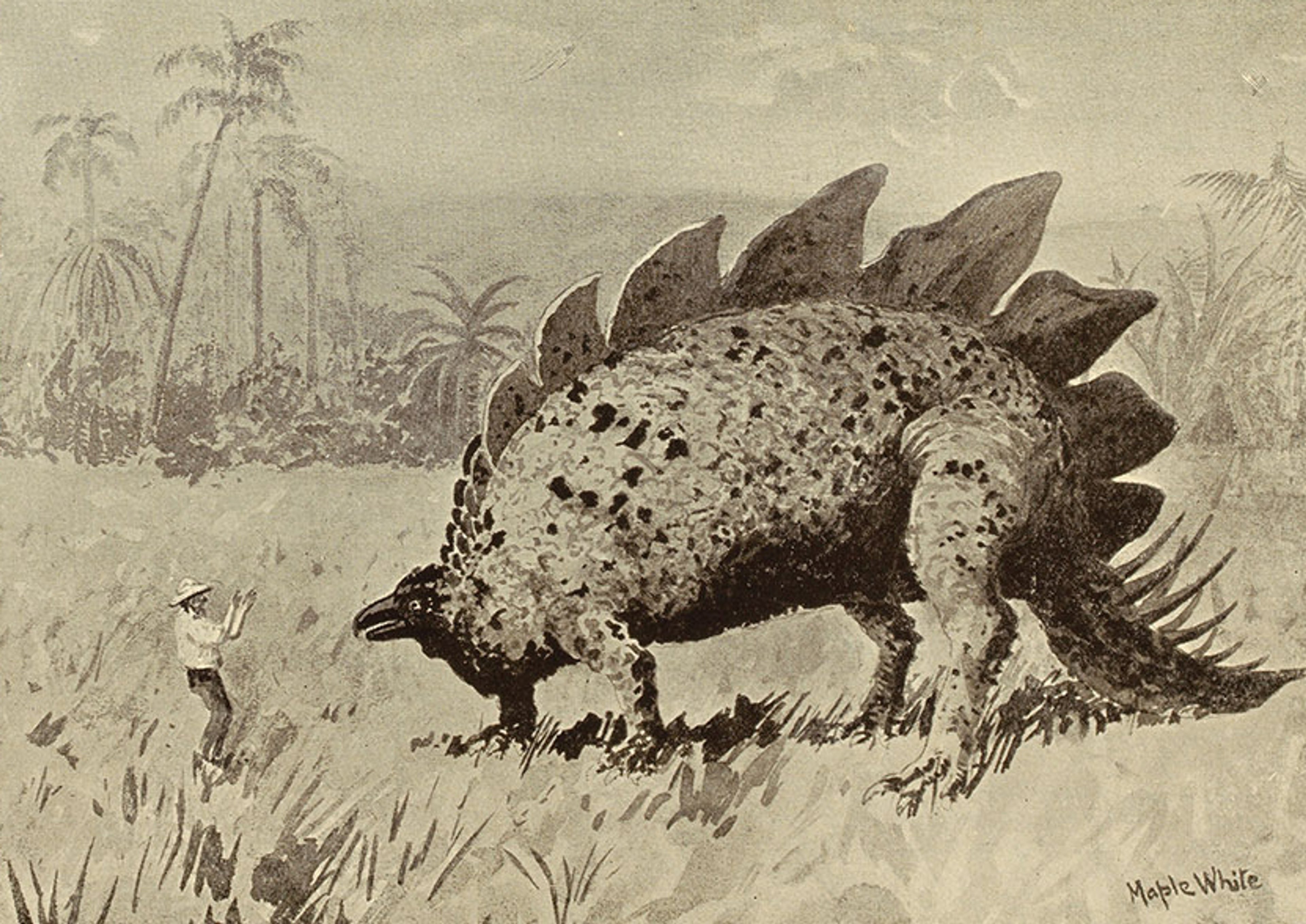
Illustration by Harry Rountree for Arthur Conan Doyle’s The Lost World (1912) © With thanks to The Conan Doyle Estate. Image: Ex Carta