Zakia Sewell
Series 6 Episode 2
Mapping Albion with Zakia Sewell
Series 6 Episode 2
Available on all major podcast platforms: click the icons or hit 'play' to listen now.
In this episode, host Jerry sits down with Zakia Sewell - a British broadcaster, writer, and DJ. They discuss her latest book, Finding Albion, which chronicles her journey across the British Isles to explore its seasonal myths, enduring legends, and deep-rooted rituals.
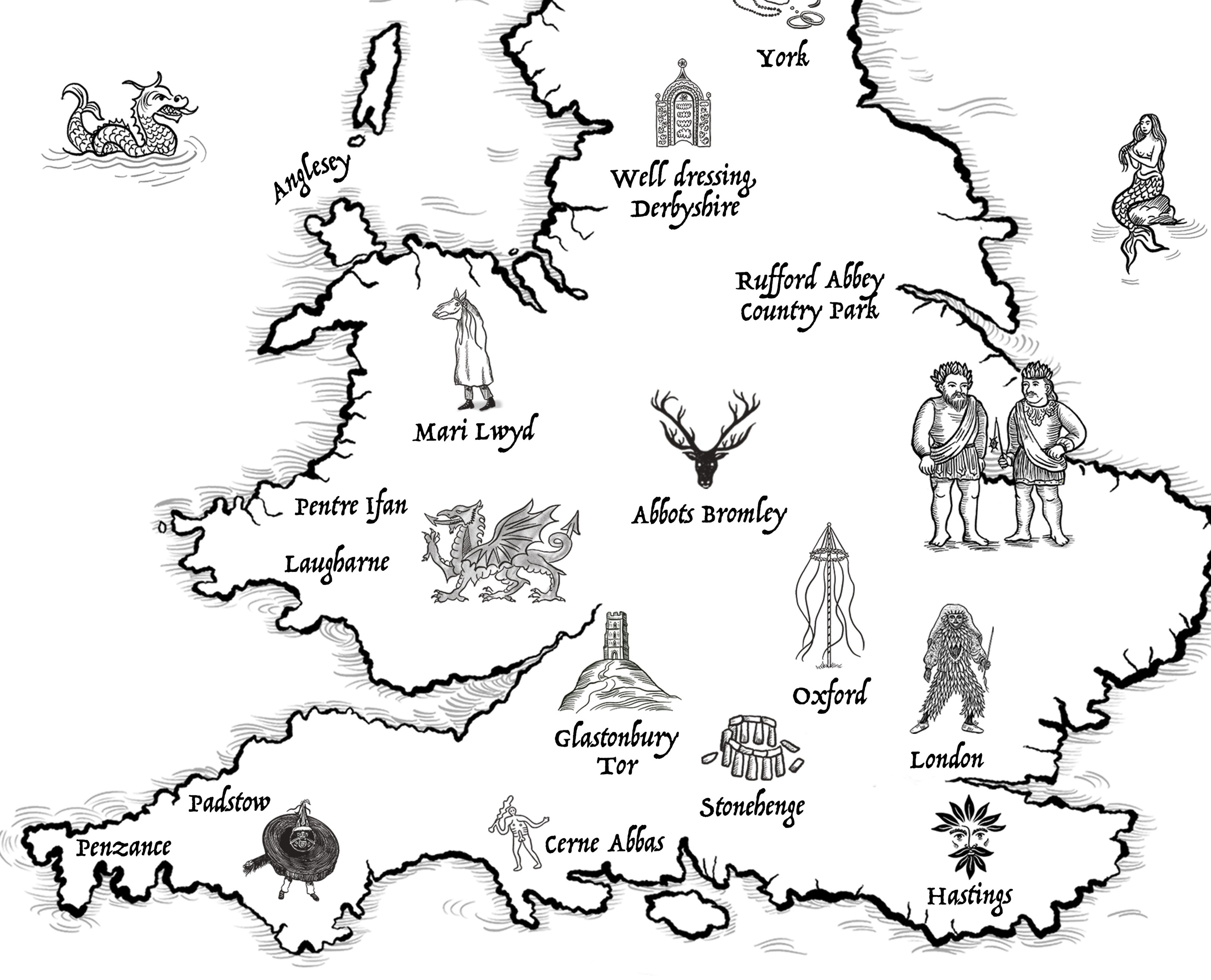
Zakia shares the map featured in the book, created with artist Alex Merry - a playful illustrative map of England, Scotland and Wales pinpointing the sites encountered on her quest to find folklore and what Albion means to her.
Together, Jerry and Zakia also take a look at an early seventeenth century work in the Ex Carta collection: ‘Poly Olbion’ by Michael Drayton (1613), an allegorical poem of England and Wales accompanied by a series of whimsical copper-engraved county maps by illustrator William Hole - the appearance of which draws remarkable similarities to her modern map of Albion.
To explore the map as you listen to the episode, click the image below:
Map of Albion by Alex Merry for Zakia Sewell’s 'Finding Albion' (2025) ©Alex Merry/Zakia Sewell. Image courtesy of Hodder Press.
This hand-drawn map of England, Wales and Scotland is a modern vision of Albion inspired by old maps and folklore. It is peppered with charming vignettes of seasonal festivals, stone circles and historical sites, and figures in a variety of ritual dress. It is flanked by a Sun and Moon, embellished with a sea monster, a mermaid and a galleon.
The map has been drawn by artist Alex Merry, and was made specially for Zakia’s acclaimed book Finding Albion (2026). It illustrates her journey around the British Isles in personal search of Albion.
This ‘mythical mish mash’, as Zakia describes, has a traditional aesthetic but for a modern time. She tells Jerry that the title ribbon on the map held by a young Black woman serves as an assertion that British folklore belongs to everyone, subverting perceptions.
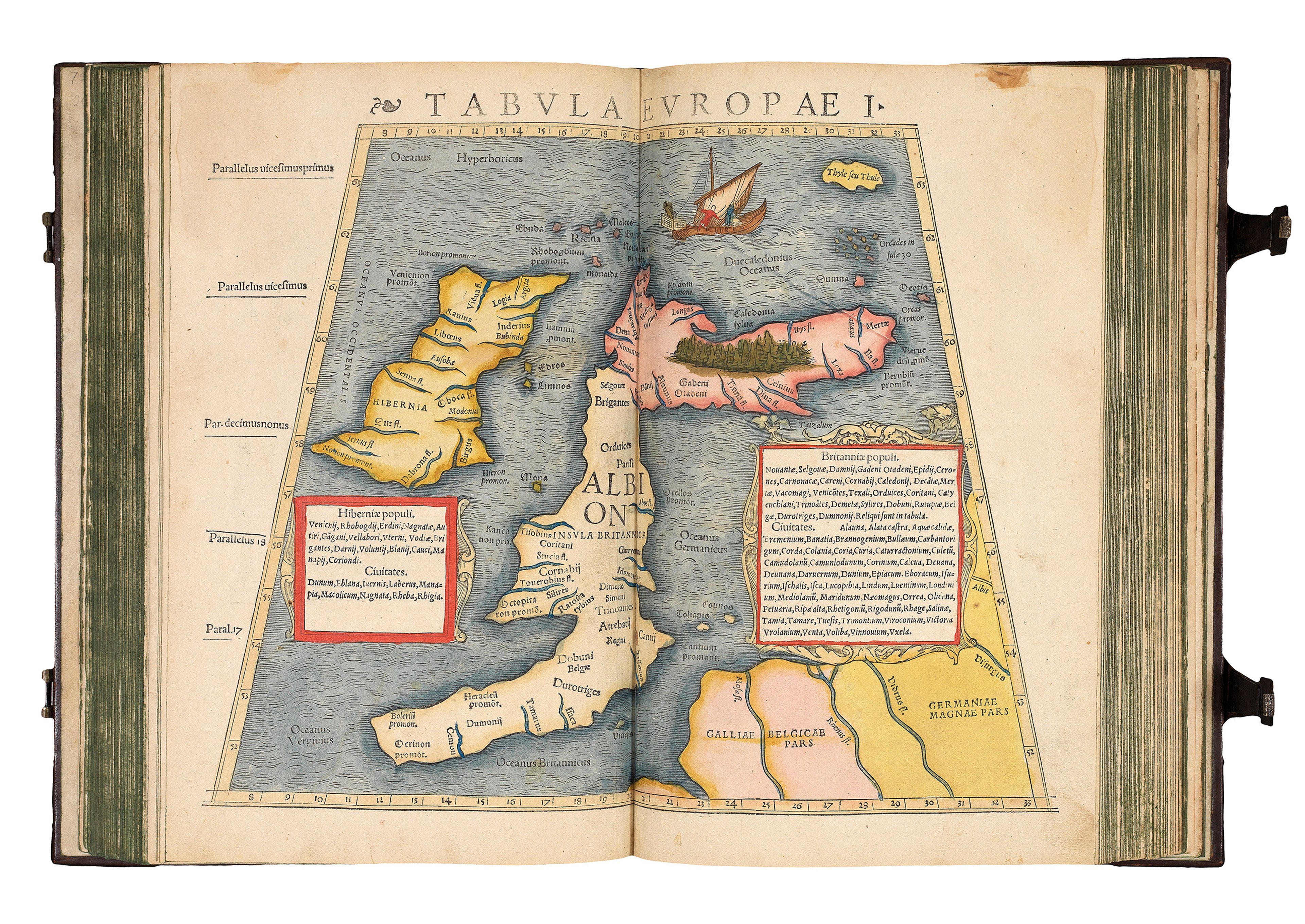
Sebastian Münster’s map marking Albion, from Geographia (1540) ©The Sunderland Collection
Driven by a desire to find the nation's alternative spirit rather than just its geography, Zakia began her journey seeking a idealised utopia, drawn in by the mystical aura of British folk rock band Pentangle's music. In her book, Zakia tells a very touching story about seeing the band with her father when she was a teenager - it would become a formative memory and her first experience of Albion.
Coined over 2,000 years ago by Grecian polymaths, the Latin origin of the name ‘albus’ means ‘white land’. It is said that the name is said to have been given by the Romans as they approached the dazzling white cliffs of Dover, but also that it was a description of its inhabitants.
While Old Albion is frequently tied to post-colonial melancholia, Zakia emphasises in her discussion with Jerry that alternative origin stories exist. To reshape and reclaim her own perspective on Albion, she explores several origins that resonate deeply with her:
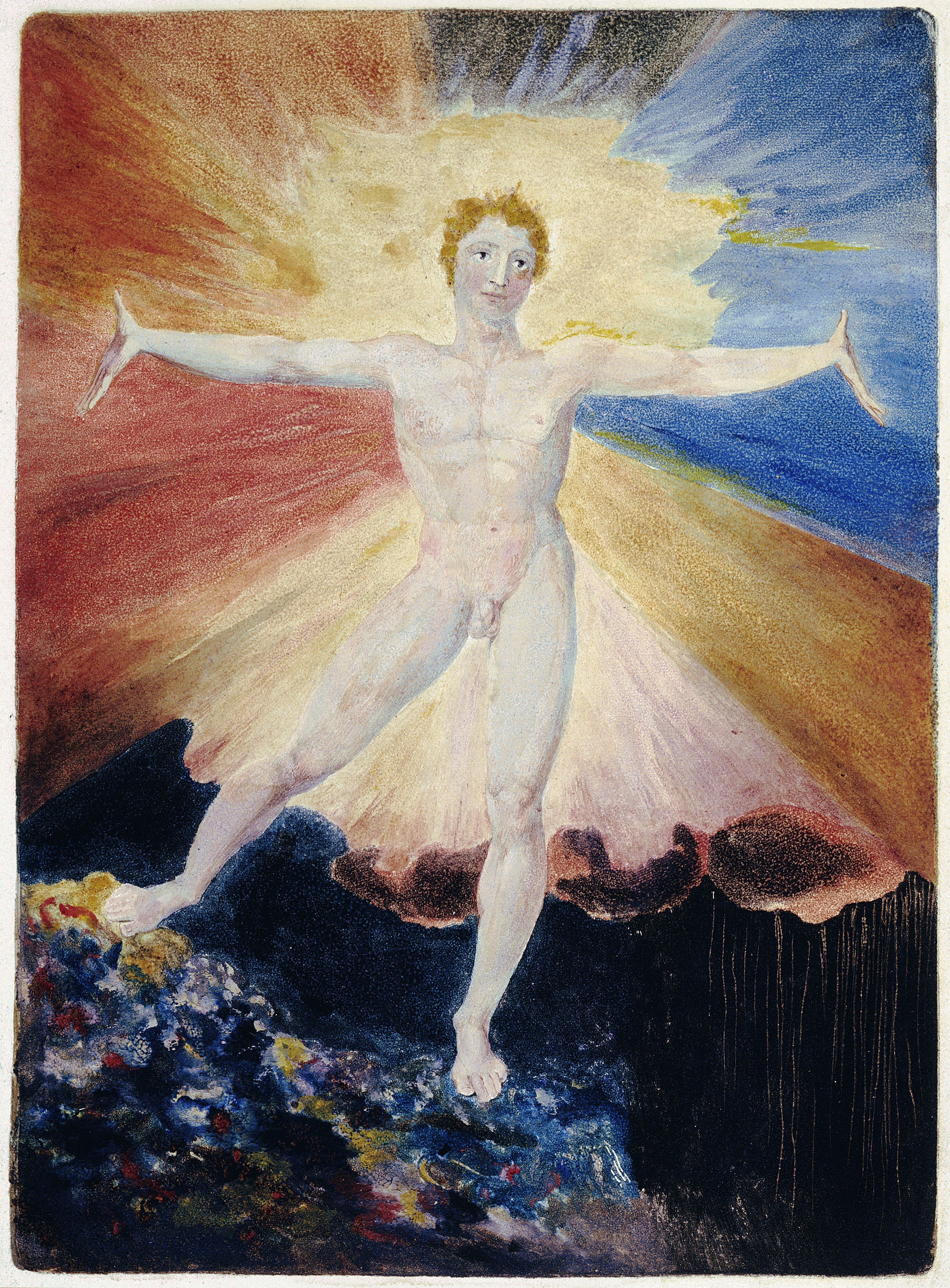
Blake's image of Albion (1793-76). The William Blake Archive, Public Domain, via Wikimedia Commons.
Zakia recalls the origin story according to Welsh Chronicler Geoffrey of Monmouth (c.1090-1155), who described Albion as a fertile ancient realm inhabited by a small population of giants, prior to its conquest and renaming as ‘Britain’ by the Trojan hero Brutus.
In English poet, painter and printmaker William Blake‘s (1757-1827) mythic version, ‘Albion’ is personified as a fallen giant who lies dormant within the land and will eventually rise again.
You can find out more about Blake’s mythology here.
Another origin tale of Albion, dating back to the 14th century, centres on the figure Albina and her thirteen sisters. As daughters of a Syrian king, they were exiled from their homeland and navigating the seven seas until reaching the land of giants. Upon arrival, Albina laid claim to the territory and established a feminist utopia centred on learning to commune with the land. Rather than originating directly from the Earth, this alternative creation story details how they arrived from afar, bringing fairy folk with them.
Zakia invites us to imagine how our cultural understanding might differ if Albina - rather than Britannia - served as our primary allegorical personification.
Map of Somerset and Wiltshire (1613) by William Hole for Michael Drayton's 'Poly Olbion' ©Ex Carta
Jerry and Zakia also discuss the maps from Michael Drayton’s allegorical poem Poly Olbion (1613). William Hole’s allegorical county maps for Drayton’s work transform poetry into cartography, personifying rivers, hills, and towns as vivid figures and nymphs within a living landscape.
These intricate engravings fuse topography and myth to visually represent Drayton’s poetic vision of England. You can find out more about this extraordinary work in the Ex Carta collection here.
Map of Dorset and Hampshire (1613) by William Hole for Michael Drayton's 'Poly Olbion' ©Ex Carta
Though traditional British folk culture has long been viewed as overwhelmingly white and male-dominated, during her journey around the British Isles, Zakia uncovered a dynamic new wave of folk emerging. This renaissance of traditions being shaped by increasingly diverse communities, and with more contemporary practices - giving the example of Boss Morris, an all-female, progressive morris dancing group.
Along her journey, Zakia took part in some of England’s oldest folk ceremonies. During the episode, she took Jerry on a whistle-stop tour of some of the iconic folk locations and festivals;
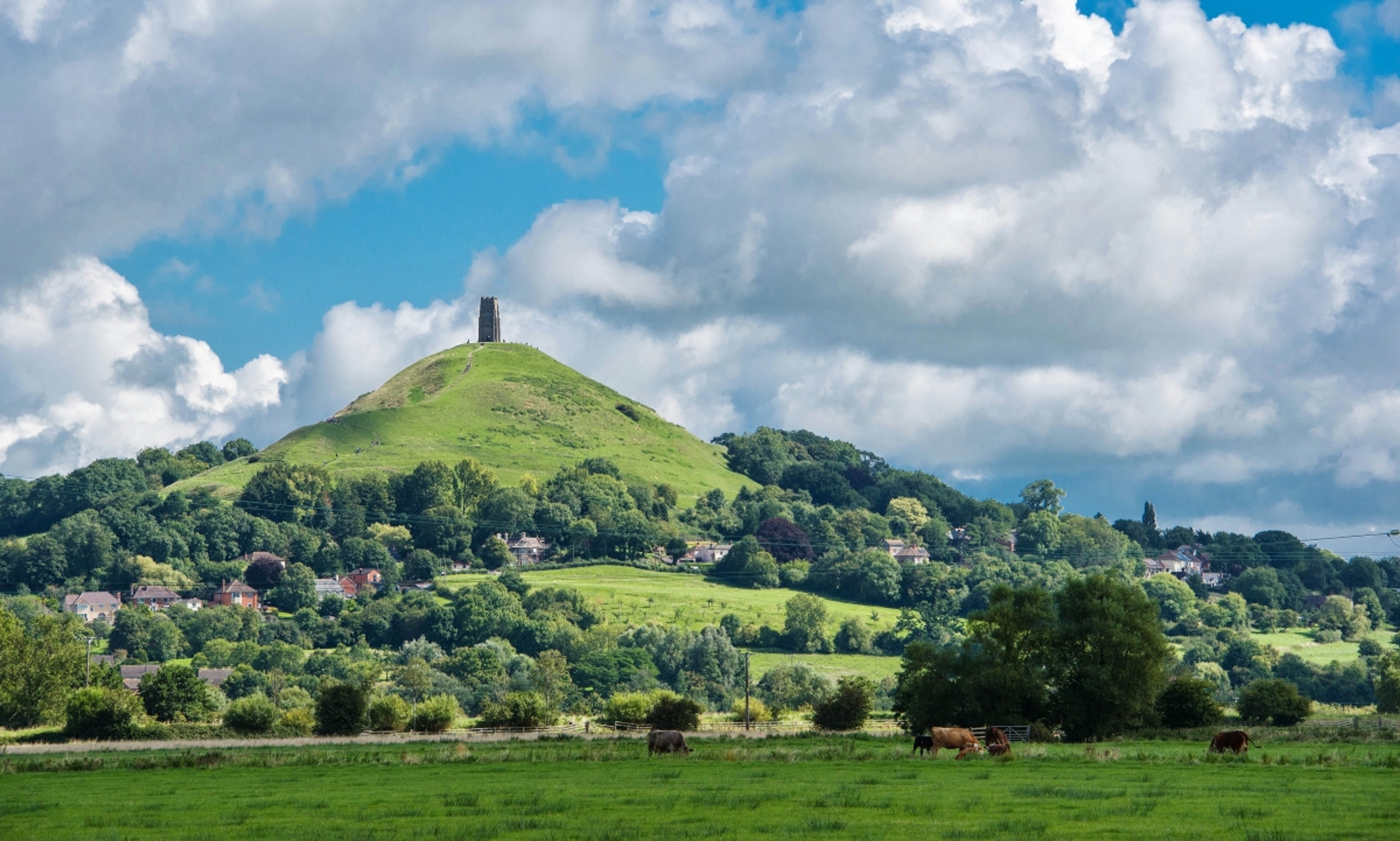
Glastonbury Tor by Eugene Birchall, CC BY-SA 2.0.
Somerset's Glastonbury Tor marked the beginning of Zakia's journey. Radiating mystical charm, it is a cornerstone of British folklore. This site is among a rare few in the United Kingdom held sacred by Pagan and ancient Christian traditions alike, while also serving as the reputed resting place of the legendary King Arthur.
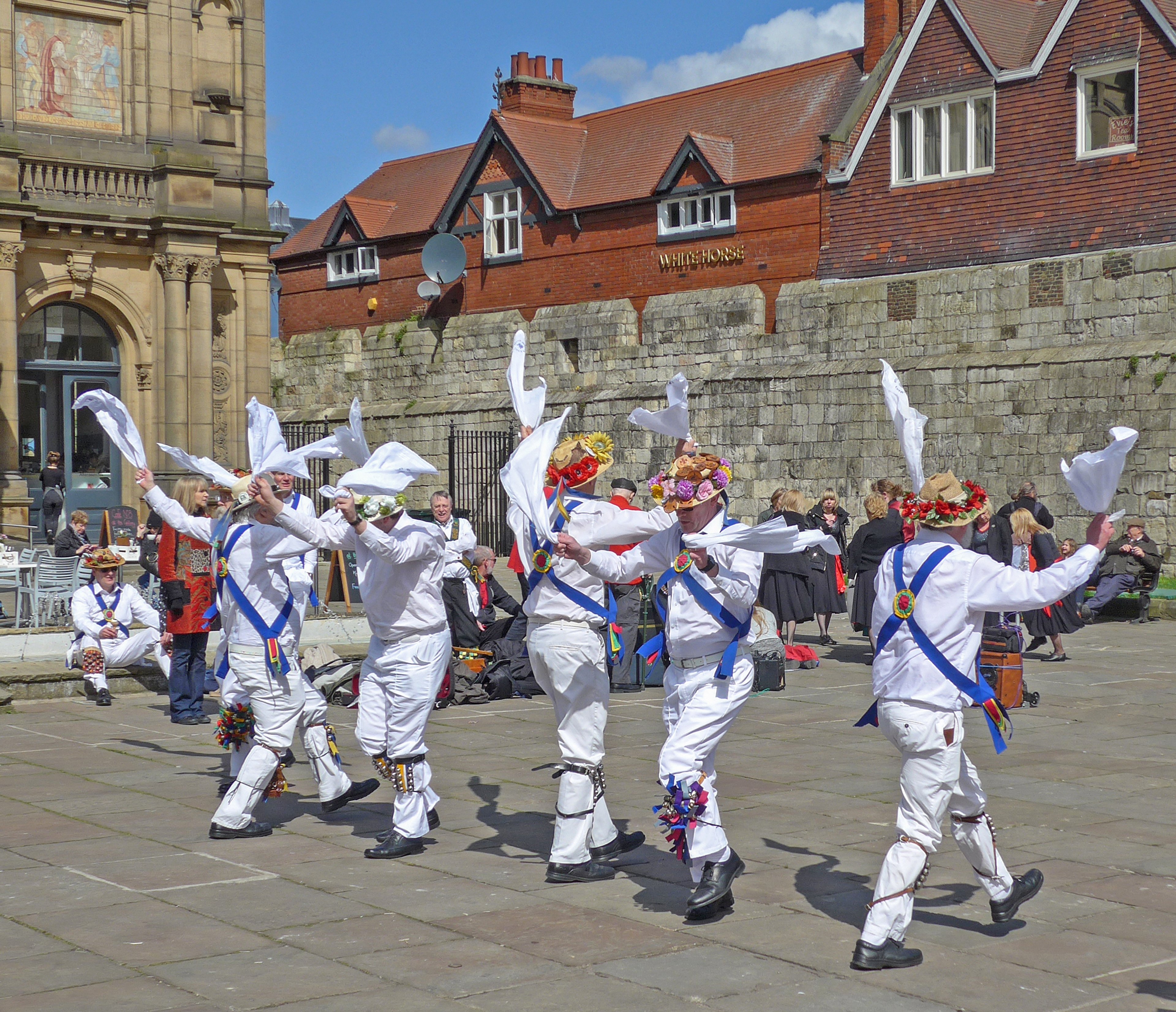
Morris Dancers in York by Tim Green CC BY 2.0
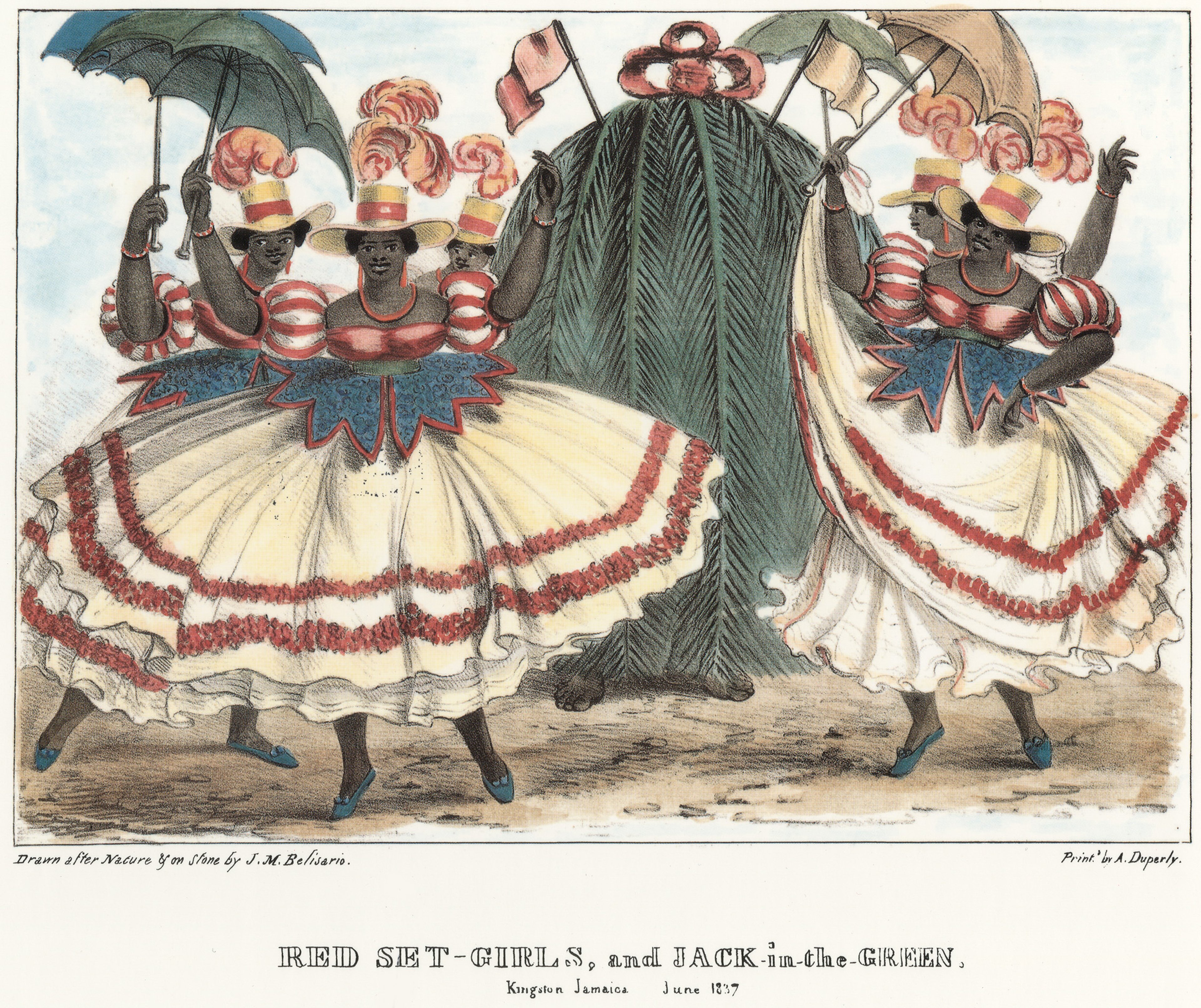
Jack in the Green and the Red-Set Girls, Kingston Jamaica (1837). Public domain.
Her adventure also saw her visit Rufford Abbey Country Park in search of an original folk song; watching morris dancers twist ribbons around the maypole on May Day in Oxford; and attending the Jack in the Green Festival in Hastings.
The Jack in the Green Festival represents summer's arrival and is linked to the Green Man myth. Historically, the character, Jack, featured in Jamaican Christmas celebrations alongside the ‘Red Set Girls’, as recorded in Isaac Mendes Belisario's 1837 lithograph.
When in York, Zakia learnt about the spiritual offerings created to pay homage to ancestors during the end-of-summer Samhain Festival - a time marking the onset of darker nights when the veil between worlds thins, akin to Halloween.
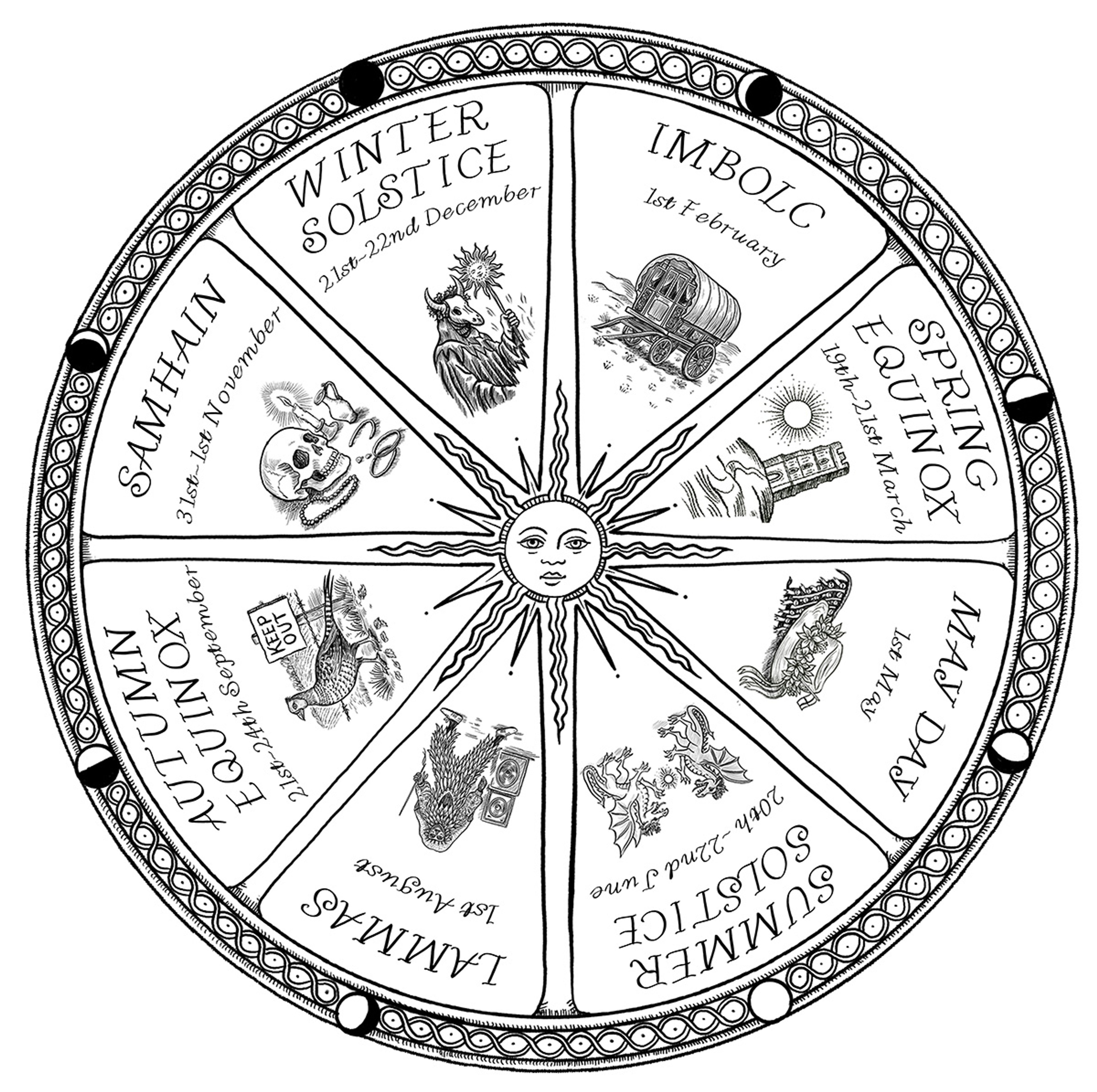
The Wheel of Seasons ©Alex Merry
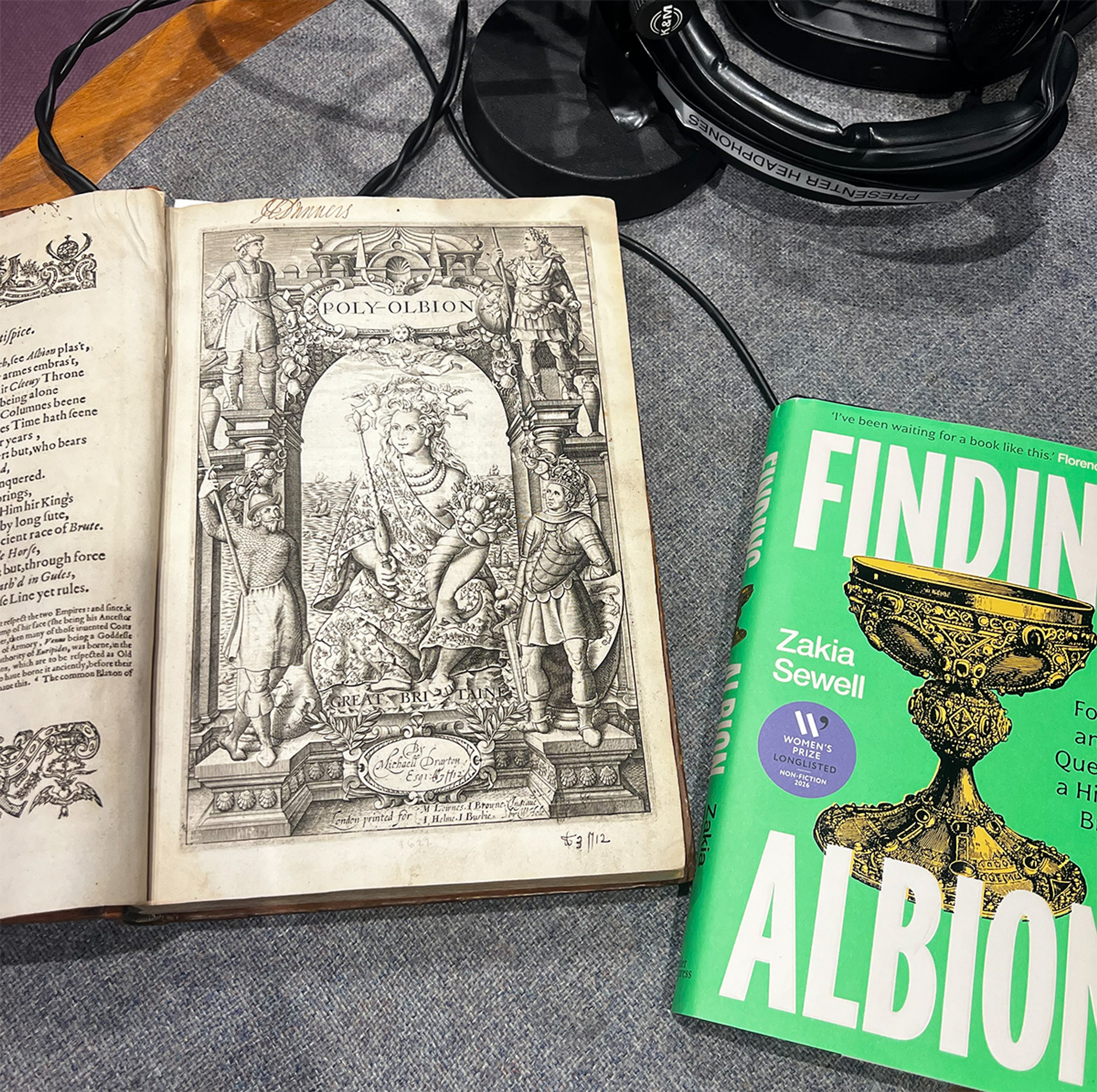
The ‘Poly Olbion’ (1613) and Zakia’s new book ‘Finding Albion’ (2025)
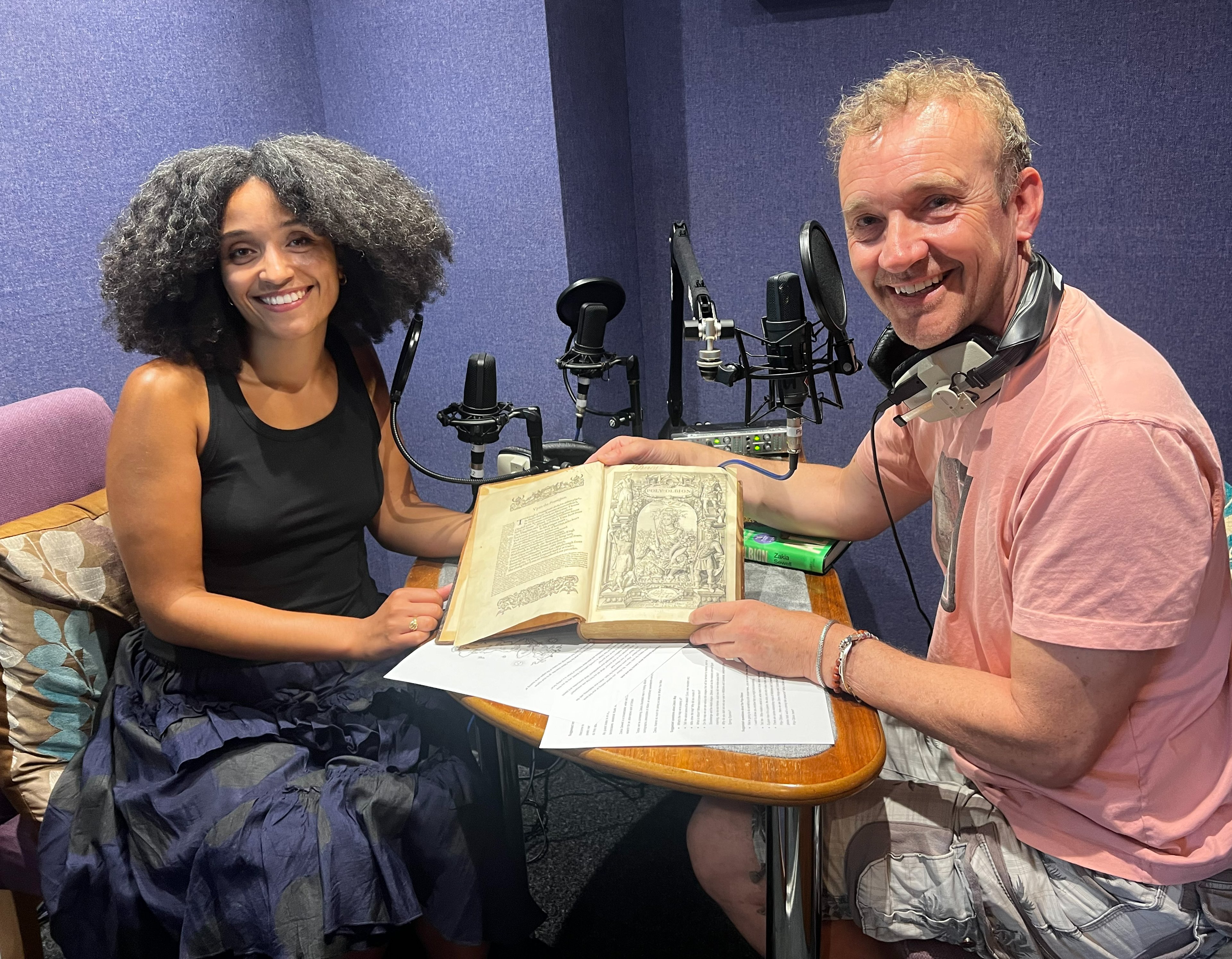
Zakia and Jerry in the Whistledown Studios with the Poly Olbion (1613)
Reflecting on her journey, she forged a deeper connection through radical, rebellious histories and revealed a progressive and multifaceted vision of Albion.
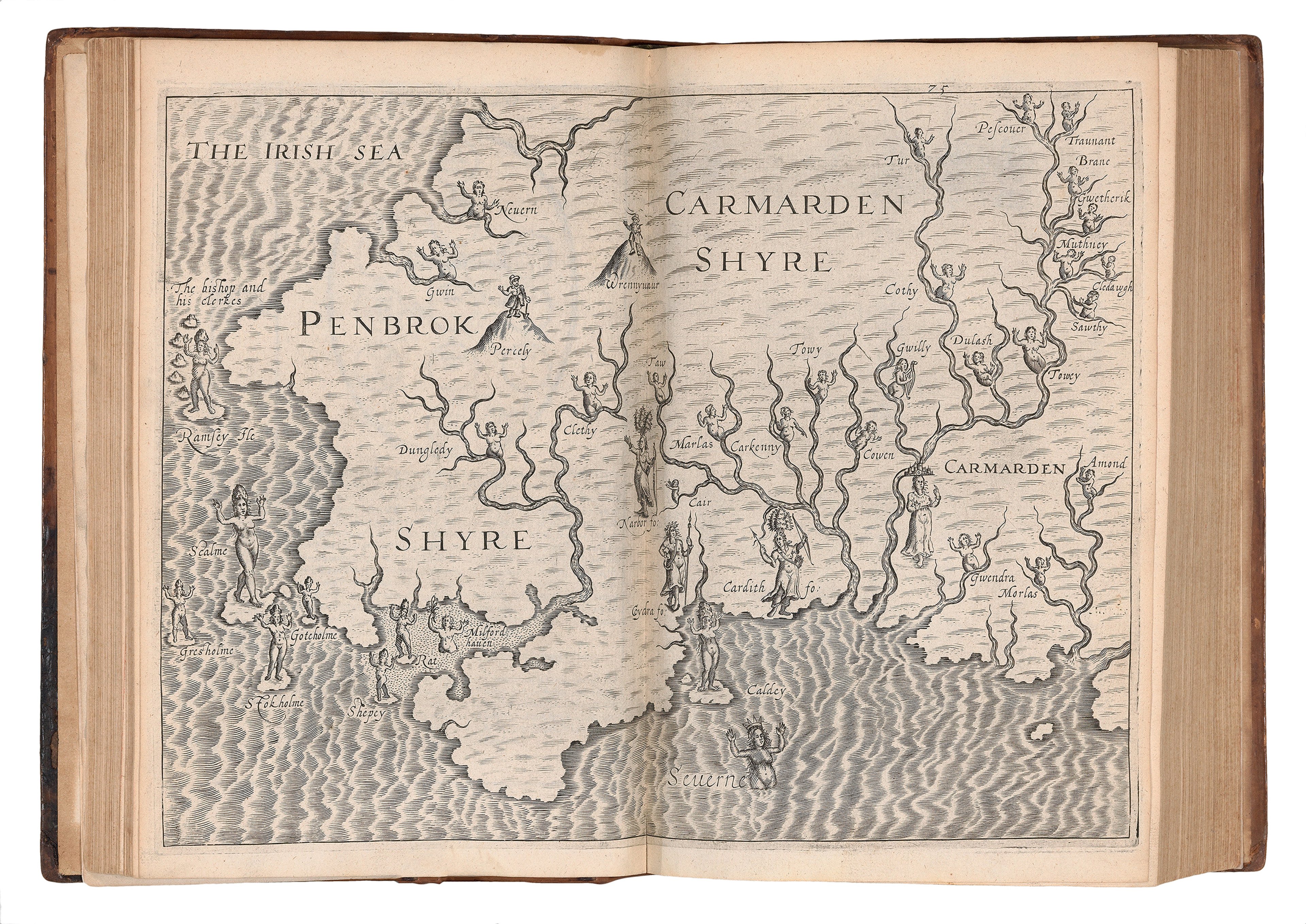
South Wales from Michael Drayton’s Poly Olbion (1613) ©Ex Carta
About Zakia Sewell
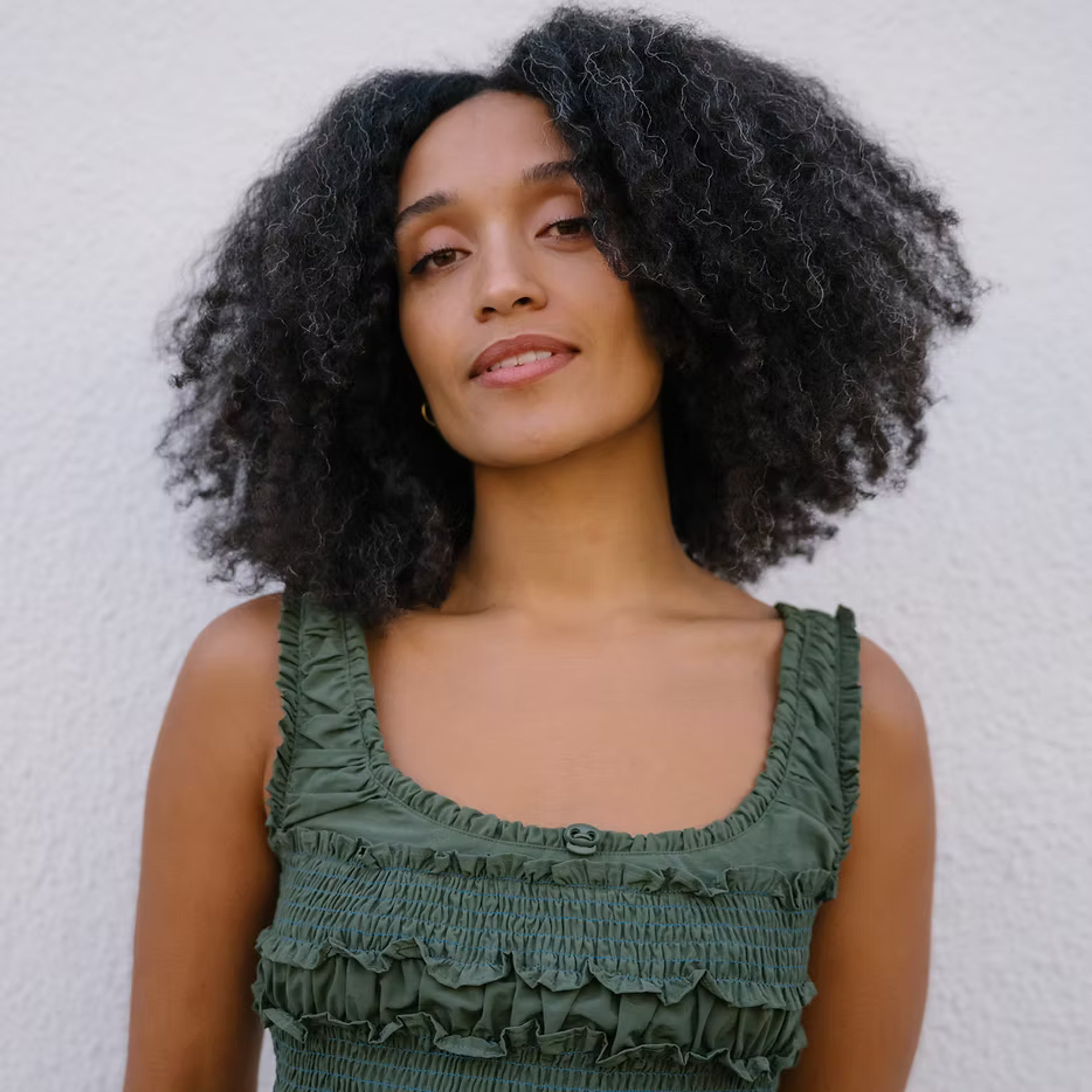
©Zakia Sewell
Zakia Sewell is a writer, DJ and broadcaster based in London.
She hosts Dream Time on BBC Radio 6 Music, and used to host the flagship breakfast show on NTS radio. For the past eight years she has been producing and presenting radio documentaries and podcasts for platforms such as BBC Radio 3 and 4, Tate and Camden Art Centre.
Her acclaimed four-part Radio 4 series My Albion (2020) was an inspiration for her book, Finding Albion (2026, Hodder). She regularly gives talks and her writing has appeared in publications including Tate Etc., Resident Advisor and Weird Walk and in the essay collection This Woman's Work (White Rabbit, 2022).
Why not continue your exploration of the wonderful world of maps by subscribing to the podcast? That way you will never miss an episode.
Feel free to let us know - What's YOUR Map?!
All views and opinions expressed by guests on the podcast are entirely their own and do not represent those of The Sunderland Collection or Whistledown Productions.