Cressida Cowell
Series 5 Episode 8
Here be Dragons! The Plot Thickens with Cressida Cowell
Series 5 Episode 8
Available on all major podcast platforms: click the icons or hit 'play' to listen now.
In this episode we have a roar-some treat: our intrepid host Jerry Brotton journeys to the legendary Barbaric Archipelago with best-selling children's author and illustrator Cressida Cowell.
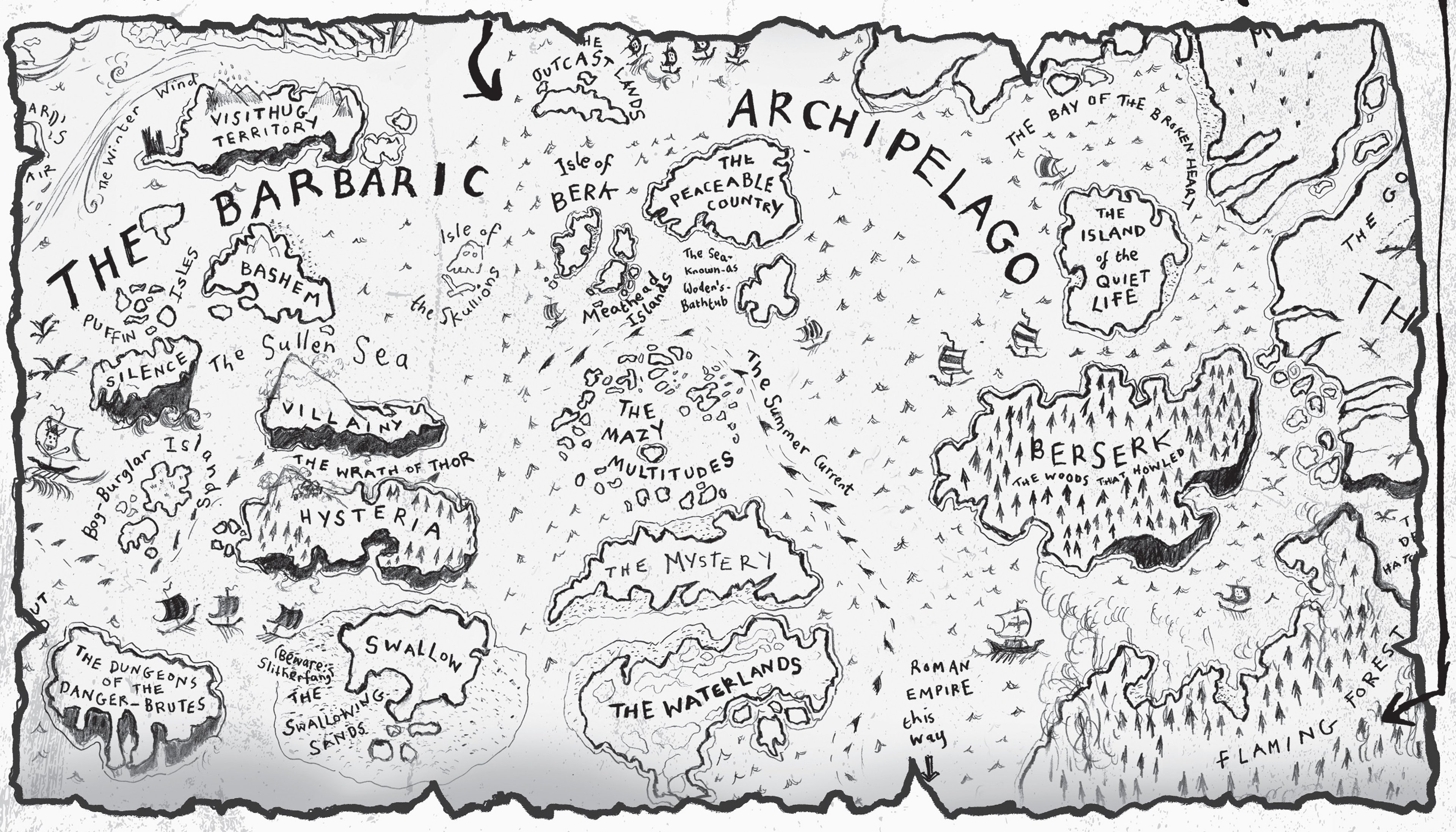
Cressida’s chosen map shows the landscape she created for her acclaimed children’s series, How to Train Your Dragon (2009-2015), which charts the adventures of the young Viking, Hiccup Horrendous Haddock III and his dragons Toothless and Windwalker. This map comes from her latest book How To Train Your Dragon School: Fight of the Flamestrike (June 2026).
We hear about Cressida's childhood summers spent on the wild and remote Scottish island of Little Colonsay, off the Isle of Mull. She reflects on the creative process - the joy of getting lost and the act of creation - and we hear about some of the influential literary maps that shape her creative vision… we also learn a spot of Dragonese!
The Barbaric Archipelago ©Cressida Cowell/Hachette UK
This is a map of the Barbaric Archipelago, a fictional cluster of wind-battered isles somewhere in the northern seas. In has a wide array of climates and landscapes - from glaciers to steep cliffs, waterfalls to volcanoes.
In Cressida’s fantasy world, the story follows Hiccup Horrendous Haddock III, an unconventional Viking, as he embarks on a rite of passage: capturing and training a dragon. Lacking stereotypical Viking brawn, Hiccup successfully navigates this trial by using his emotional maturity and communication skills to form a bond with a small and rather daft dragon named Toothless. Through lively illustrations and exciting storylines, Cressida has brought Hiccup, Toothless, and their world vividly to life.
The first story in the How to Train Your Dragon empire was released in the UK in 2003, aimed at young readers from 8 to 12 years old. Its readership grew steadily through word of mouth, use in schools, and library circulation – before exploding in popularity thanks to high-profile film and television adaptations. A copy of the first hardback edition with its charming map is held in The Sunderland Collection’s sister collection, Ex Carta.
In this episode, Cressida gives Jerry a whistlestop tour around the islands in the Archipelago; Vizithug Territory, Basham, Villainy, Hysteria, Berserk, the Woods That Howled, the Mazy Multitudes, the Outcast Lands, Silence!, the Bog Burglar Islands, and on to the Isle of Berk where the story began.
The Isle of Berk (first edition, 2009) ©Cressida Cowell/Hachette UK. Image courtesy of Ex Carta
This map of the Isle of Berk shows Hiccup’s home, Hooligan Village, and the Meathead Islands across the Inner Ocean, land of the Hairy Hooligans’ rivals, the Meathead Tribe. It appears as the endpapers of the first hardback edition at the very start of the How to Train Your Dragon story.
The map uses a playful and disorderly aesthetic to mirror the energetic, defiant spirit of the characters and the adventurous narrative. This stylistic choice extends to the place names of locations, which are rendered in a rugged, ‘barbarian’ script instead of formal penmanship.
This fantastical environment was directly inspired by Cressida’s childhood summers spent on the islands of the Inner Hebrides in Scotland.
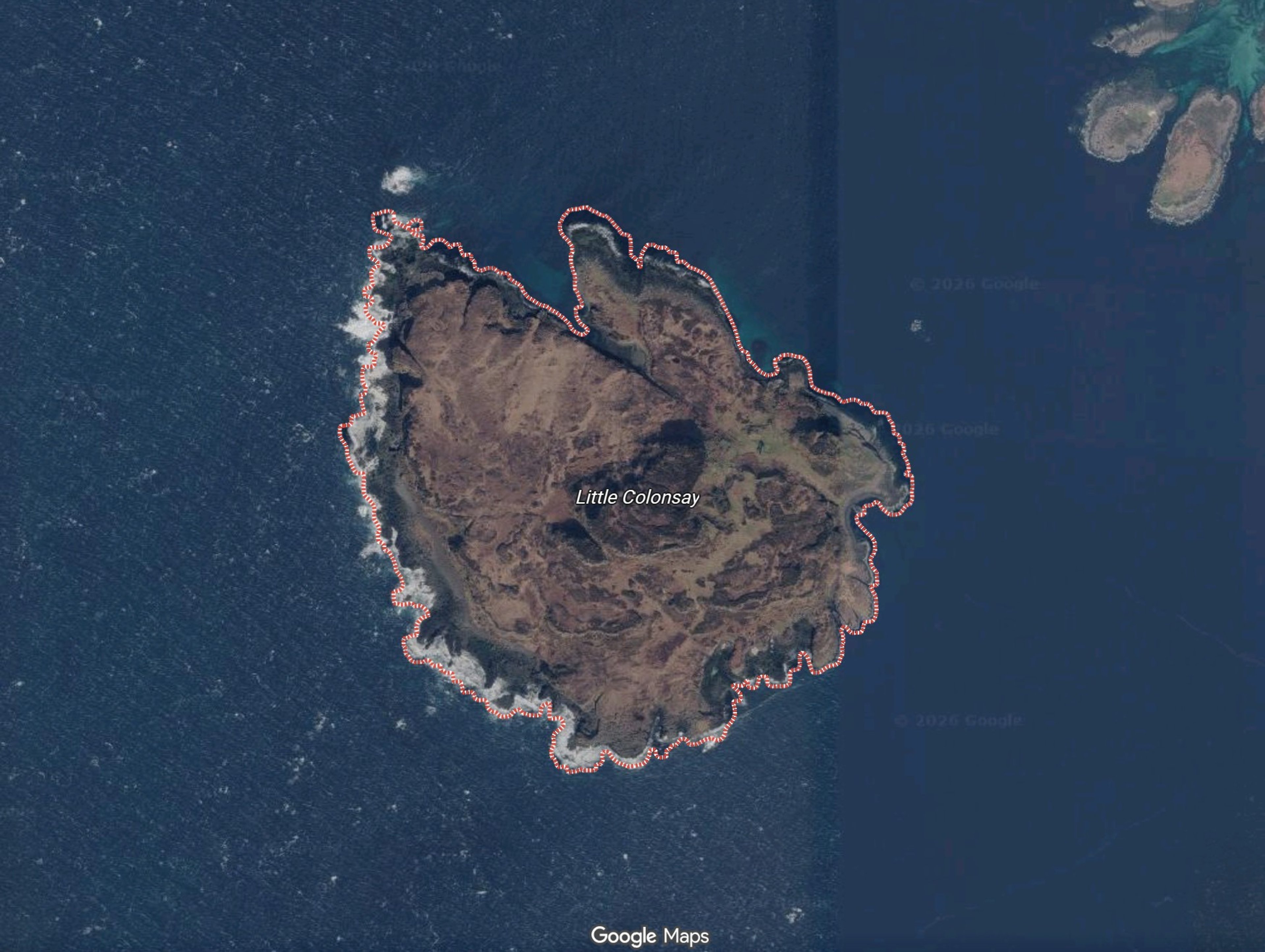
The Island of Little Colonsay ©Google Maps, 2026
Cressida’s family lived in London; but because their urban home lacked a garden, her father - an avid birdwatcher - would usher the family to isolated islands on the West coast of Scotland for summer excursions. Here Cressida experienced camping, twitching (bird watching), exploring, and storytelling.
Her father bought the island of Little Colonsay in 1967. By the time Cressida was nine, he had built a simple house in which the family spent entire summers. To this day, the private island remains otherwise uninhabited, and that dwelling is its sole structure.
It was at this age that Cressida started to dream up stories, writing about Vikings and dragons. She was inspired by the rugged surroundings she encountered, her father’s stories about the history of the region, and the unusual names of the neighbouring islands - such as Muck, Eigg, and Rum - that sounded as if they were straight out of a fantasy novel.
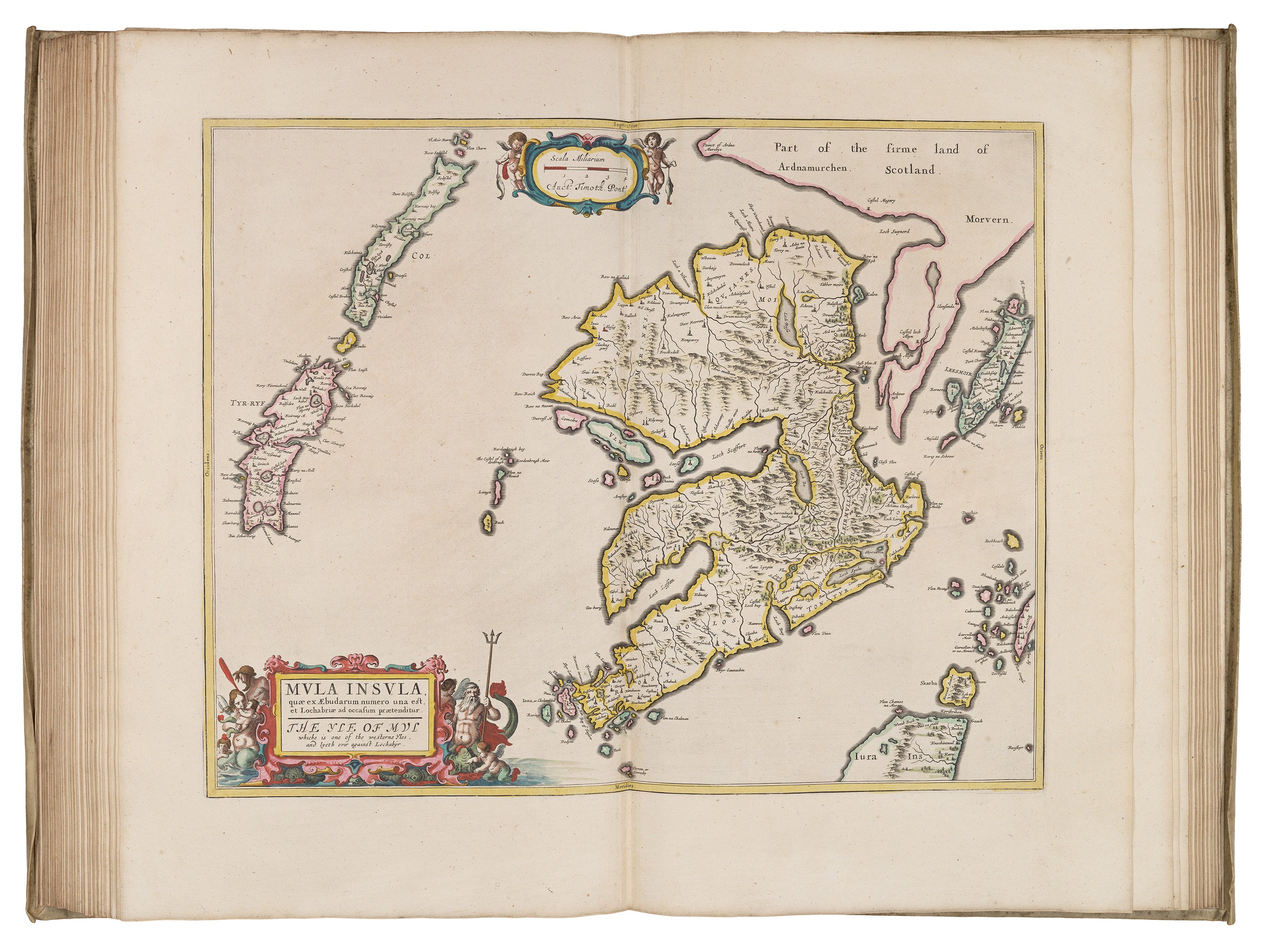
Map of Mull, featuring Little Colonsay (small yellow island at the centre)
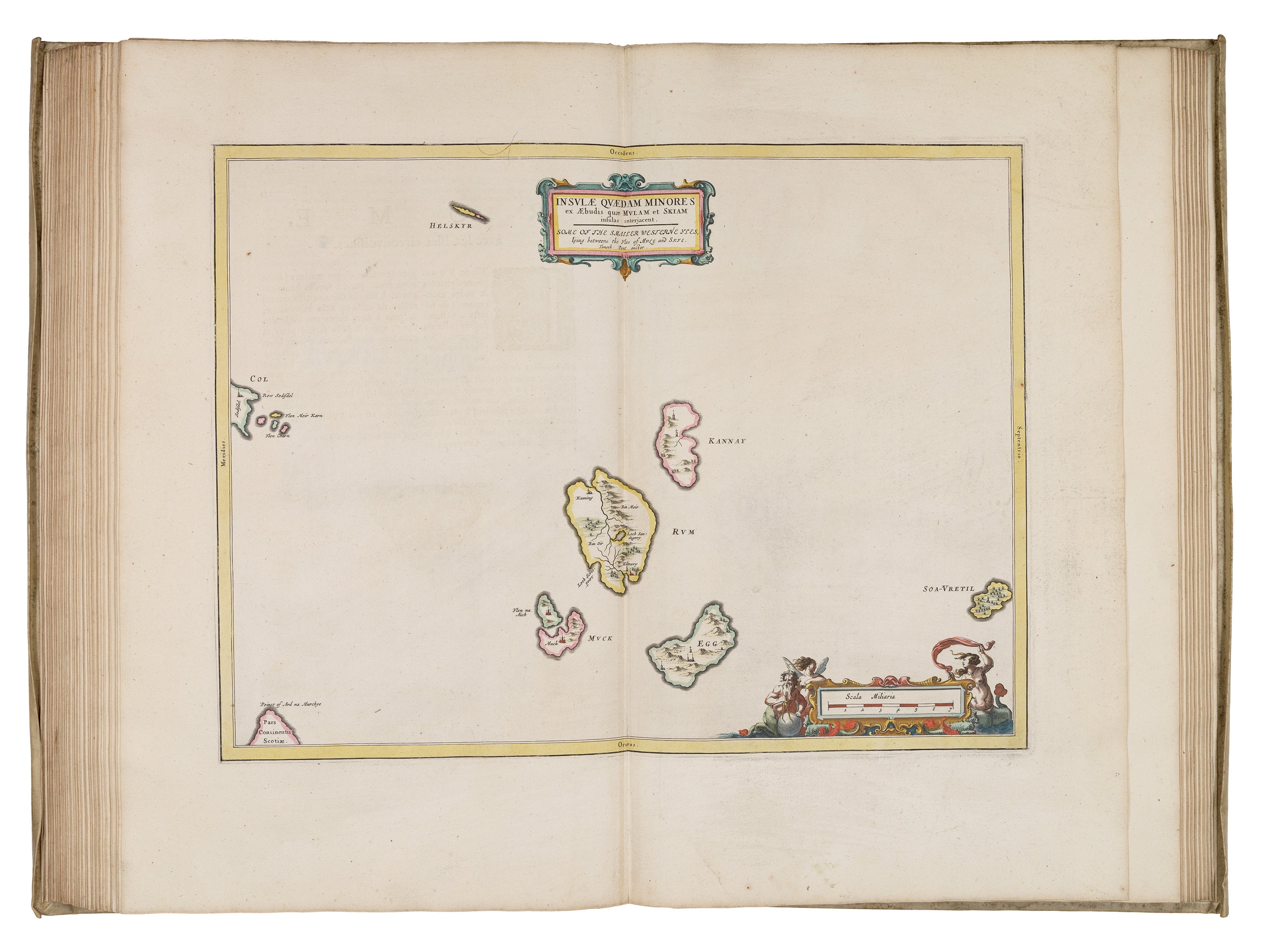
Map of Eigg, Rum, Canna and Muck. From Jan Blaeu’s Atlas Major (1663)
Little Colonsay is steeped in history. The Hebrides were a strategic landing spot for the Vikings in the late eight century when they came to raid Scotland and England. In 795 AD on nearby Iona, the monastery was sacked. Viking lore is embedded into every part the region and as Cressida reminds Jerry, the Vikings came as pirates and settled.
Cressida says that as a child she was surrounded by sea charts and created maps from a young age. Coincidently, her sister is a cartographer. Together, Jerry and Cressida share tales of some of the most iconic adventure stories and the maps they inspired - or rather, tales that grew from maps!
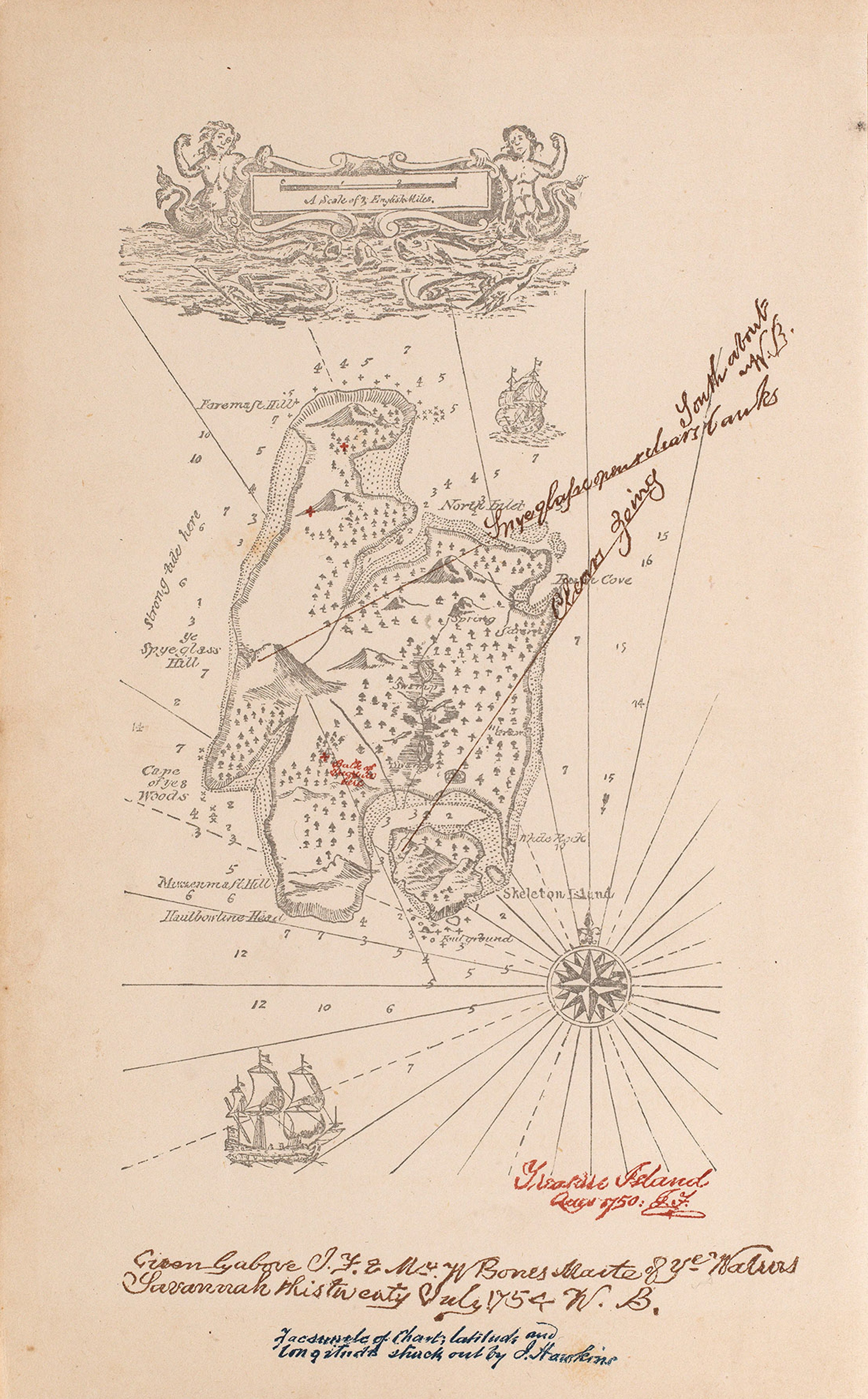
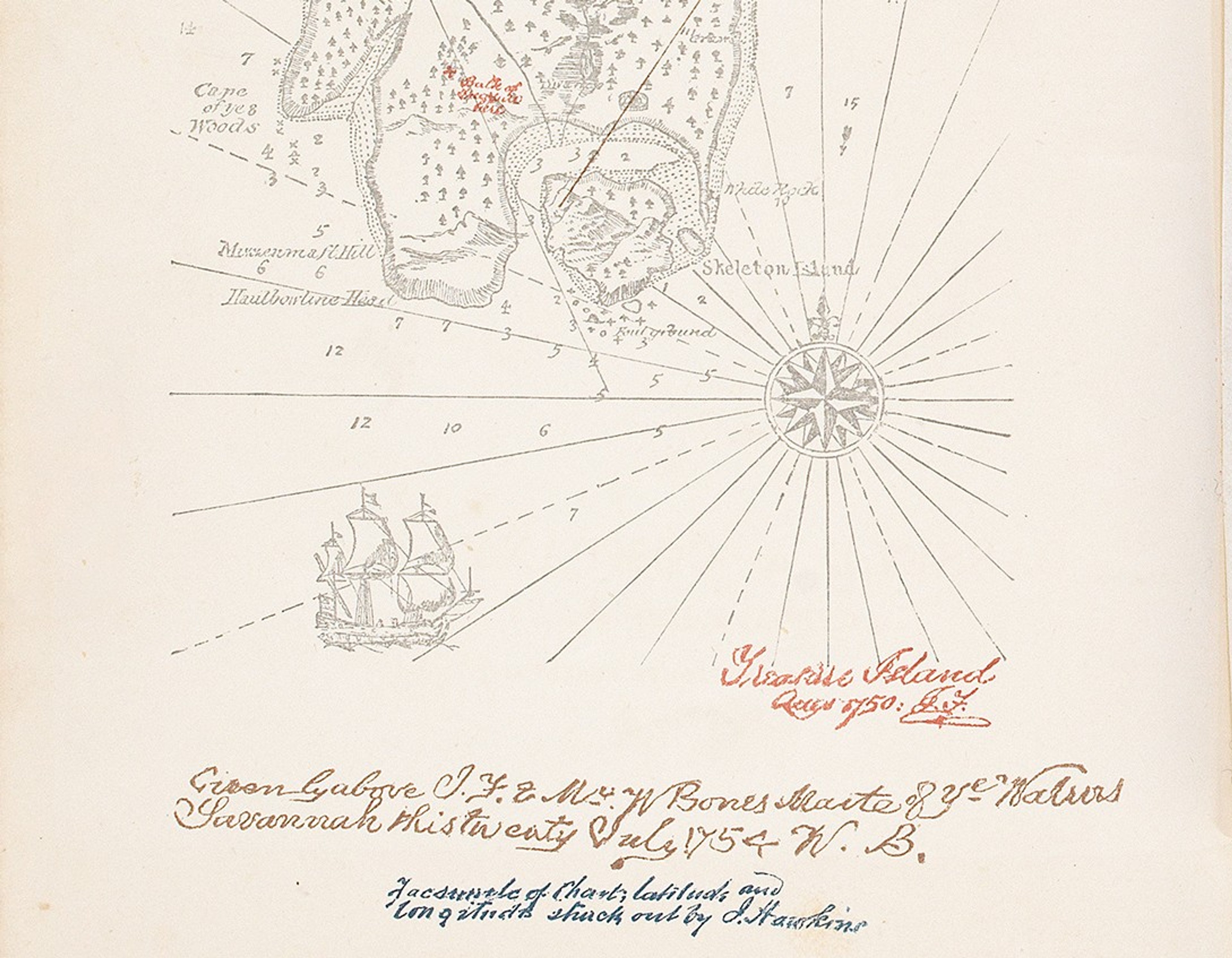
Robert Louis Stevenson’s map of Treasure Island (1883). ©Ex Carta
In 1881, writer Robert Louis Stevenson (1850–1894) famously drew this map of Treasure Island. “As I drew the map, Long John Silver came out of the map at me…”.
It features in his 1883 adventure story Treasure Island, where young protagonist Jim Hawkins discovers a map leading to a hidden fortune. The journey takes him from the wild coast of Cornwall in England, to the tropics of the West Indies.
Stevenson established many of the standard tropes of pirate lore – including the treasure map – that still serve as the basis of stories, films, television shows, books, and video games today - such as Pirates of the Caribbean and One Piece - and inspired legendary characters like Captain Hook in Peter Pan (1906) by J. M. Barrie (1860-1937).
Like eminent writer and creator of worlds JRR Tolkien (1892-1973), outlining the geography of a story is a key part of the writing process for Cressida. For her, maps serve as an ideas generator and she treats an imaginary place as a real place, developing it to a point where she knows exactly how long it takes to get from A to B. The map then starts to suggest the plot-lines.
Fun fact: the word ‘plot’ originates from the Old English word for ‘a small piece of land or ground.’ Over the centuries, its meaning expanded from physical geography to cartography, and began to refer to plotting courses on maps. In the 1640s, it also started to be used to describe the series of events or the storyline in a play or novel. Thus, if you lose the plot you not only lose the story, you lose the map!
How to Train Your Dragon (first edition, 2009). ©Cressida Cowell/Hachette UK.
The How to Train Your Dragon series is cleverly structured in three phases to let characters grow up with their readers as they venture further into the Barbaric Archipelago:
- The first four books are set on the Isle of Berk and these stories focus on self-discovery and Hiccup's relationships with his peers and parents.
- These next four stories explore a broader region of the map, centring on lessons in responsibility through a narrative involving a larger quest.
- These final books follow Hiccup across the Archipelago, and focus on environmental responsibility and how to conduct oneself in the world.
The enduring allure of these tales stems from their exploration of foundational themes, through encounters with heroes and monsters, and the completion of epic quests, with dragons serving as the central mediators for these new experiences. Readers, much like the characters themselves, are pulled toward the concept of unknown lands - a learning that is core to the human experience.
Beyond world-building and cartography, the creative process can extend to the invention of entire languages - and that is exactly what Cressida has done.
Dragonese is the fictional tongue of dragons and is spoken and understood by the young Viking protagonist, Hiccup. To supplement How to Train Your Dragon, Cressida wrote How To Speak Dragonese (2005), and includes Dragonese dictionaries throughout the series to teach readers the language.
Cressida expresses her respect for writer Robert Macfarlane's exploration of lost words, and the necessity of maintaining words for the natural world. Her own inspirations come from the highly descriptive Viking naming conventions, and the linguistic innovations of William Shakespeare (1564-1616), particularly his transformative use of verbs in place of nouns.
Cressida notes that she finds joy in losing herself within these narratives and lands, with each immersion leading to an exciting discovery. Fiction is a place where people can find a sense of wonder through maps and powerful ideas about place, and the more detailed the map, the more tangible the fantasy.
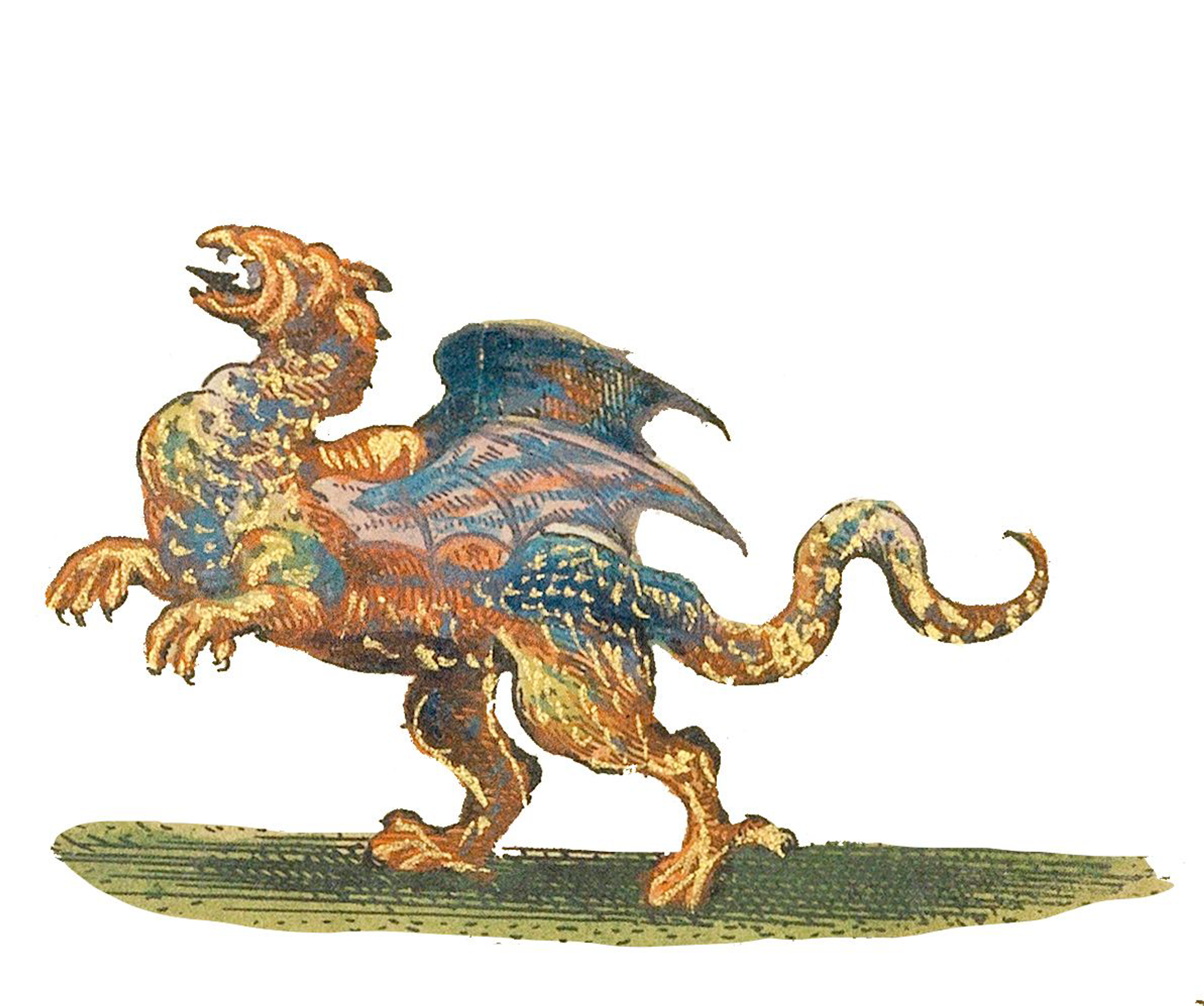
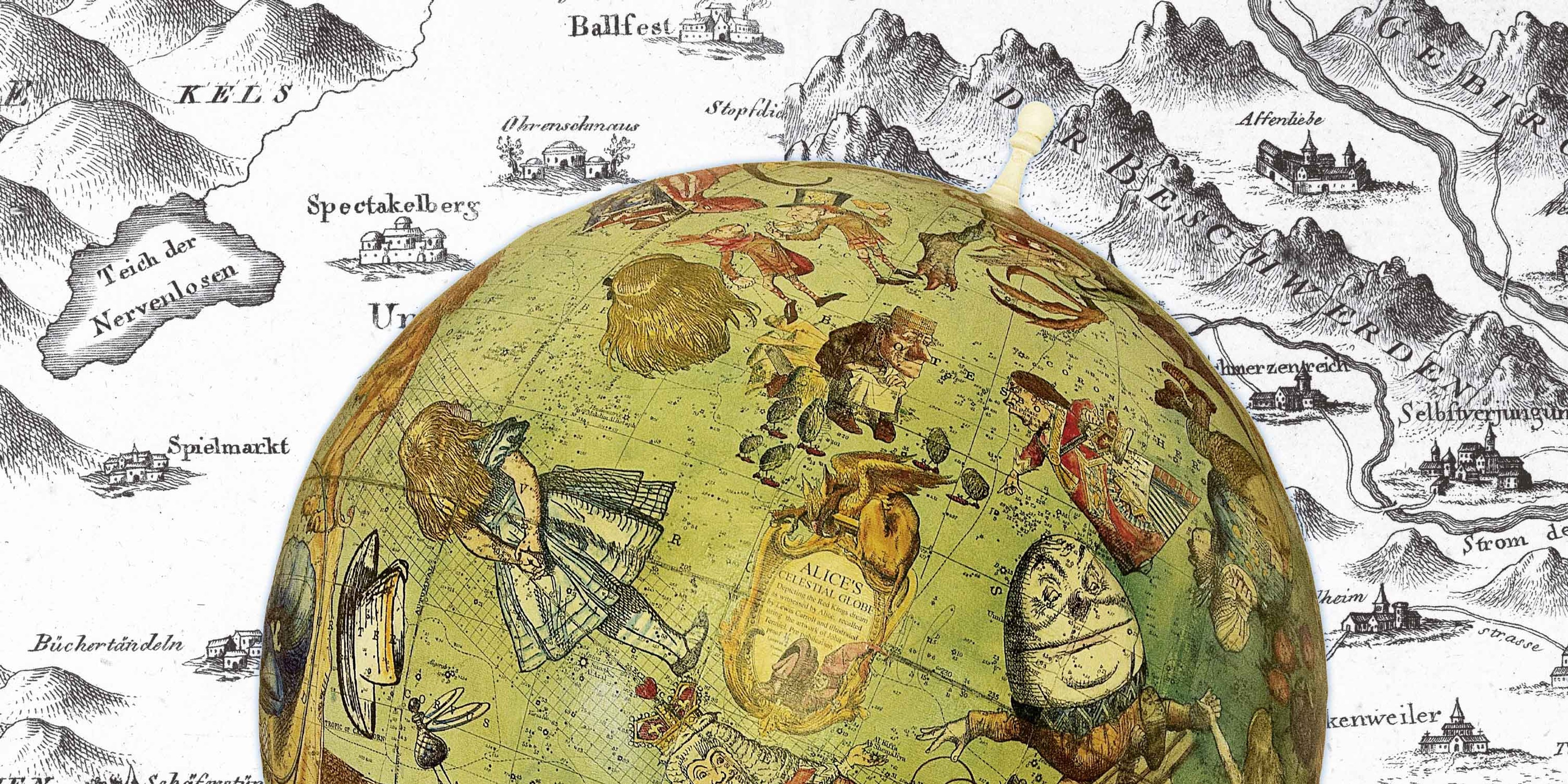
Detail from ‘Speculum Orbis Terrarum’ (1593) by Gerard de Jode ©The Sunderland Collection
About Cressida Cowell
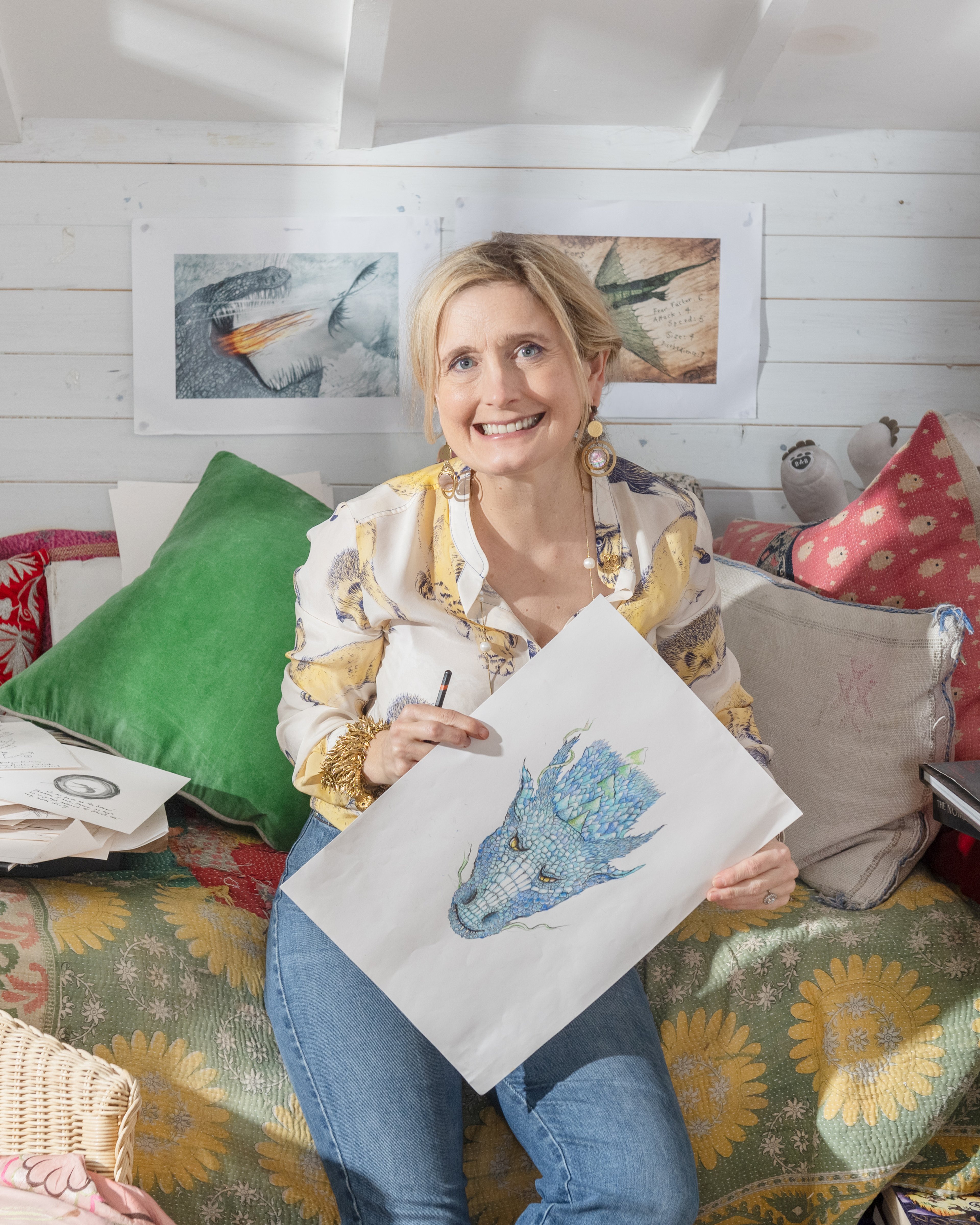
©Heather Chuter
Cressida Cowell MBE is the bestselling author-illustrator of the How to Train Your Dragon, The Wizards of Once (2017-2020) and Which Way to Anywhere (2022-2026) book series, and the author of the Emily Brown (2006-2018) picture books, illustrated by Neal Layton. She has sold over 16 million books worldwide in 46 languages. Her latest book is How to Train Your Dragon School: Fight of the Flamestrike (4 June 2026, Hachette).
She was appointed the Children’s Laureate of the UK from 2019 to 2022, using her tenure to advocate for universal access to school libraries and the joy of reading. Her flagship project as Children’s Laureate was Life-Changing Libraries.
How to Train Your Dragon has been adapted into an Academy Award nominated billion-dollar DreamWorks film series (2010-2027), and a TV series shown on Netflix and CBBC (2012-2023).
Cresside is a patron of Read for Good, a founding patron for the Children’s Media Foundation, and is on the Council of the Society of Authors. She has been an ambassador for the National Literacy Trust for almost 20 years, and is most recently an Ambassador for the National Year of Reading. She is also an ambassador for the Woodland Trust and was a trustee of World Book Day (2020-2024).
She is an honorary fellow of Keble College, Oxford, and has an honorary doctorate from the University of Brighton. Cressida has won numerous prizes for her books, including the Blue Peter Book Award, the Ruth Rendell Award for Championing Literacy, Gold Award in the Nestle Children's Book Prize, the Hay Festival Medal for Fiction, and Philosophy Now magazine's Award for Contributions in the Fight Against Stupidity.
She lives in London with her husband, three children, and dogs Pigeon and Zero.
Why not continue your exploration of the wonderful world of maps by subscribing to the podcast? That way you will never miss an episode.
Feel free to let us know - What's YOUR Map?!
All views and opinions expressed by guests on the podcast are entirely their own and do not represent those of The Sunderland Collection or Whistledown Productions.