Cultural Data Sculpting 2025
Proudly presenting a student project from Prof. Sarah Kenderdine's Cultural Data Sculpting Course at eM+ Lausanne
As part of its efforts to support the study of cartography, The Sunderland Collection is delighted to contribute high-resolution images of maps from the collection as a data set for Digital Humanities Masters students on the Cultural Data Sculpting course, taught by the pioneering Prof. Sarah Kenderdine at École Polytechnique Fédérale de Lausanne (EPFL).
The Cultural Data Sculpting course is located at EPFL’s Laboratory for Experimental Museology (eM+), a specialist research centre focused on experimentation in galleries, libraries, archives and museums.
The course teaches students how to approach and handle archive data sets and transform them into cutting-edge, immersive experiences for audiences engaging with cultural heritage objects.
We are delighted to share what the students created during the spring of 2025 using data from The Sunderland Collection.
2025: An AI Adventure through the Rudimentum Novitiorum
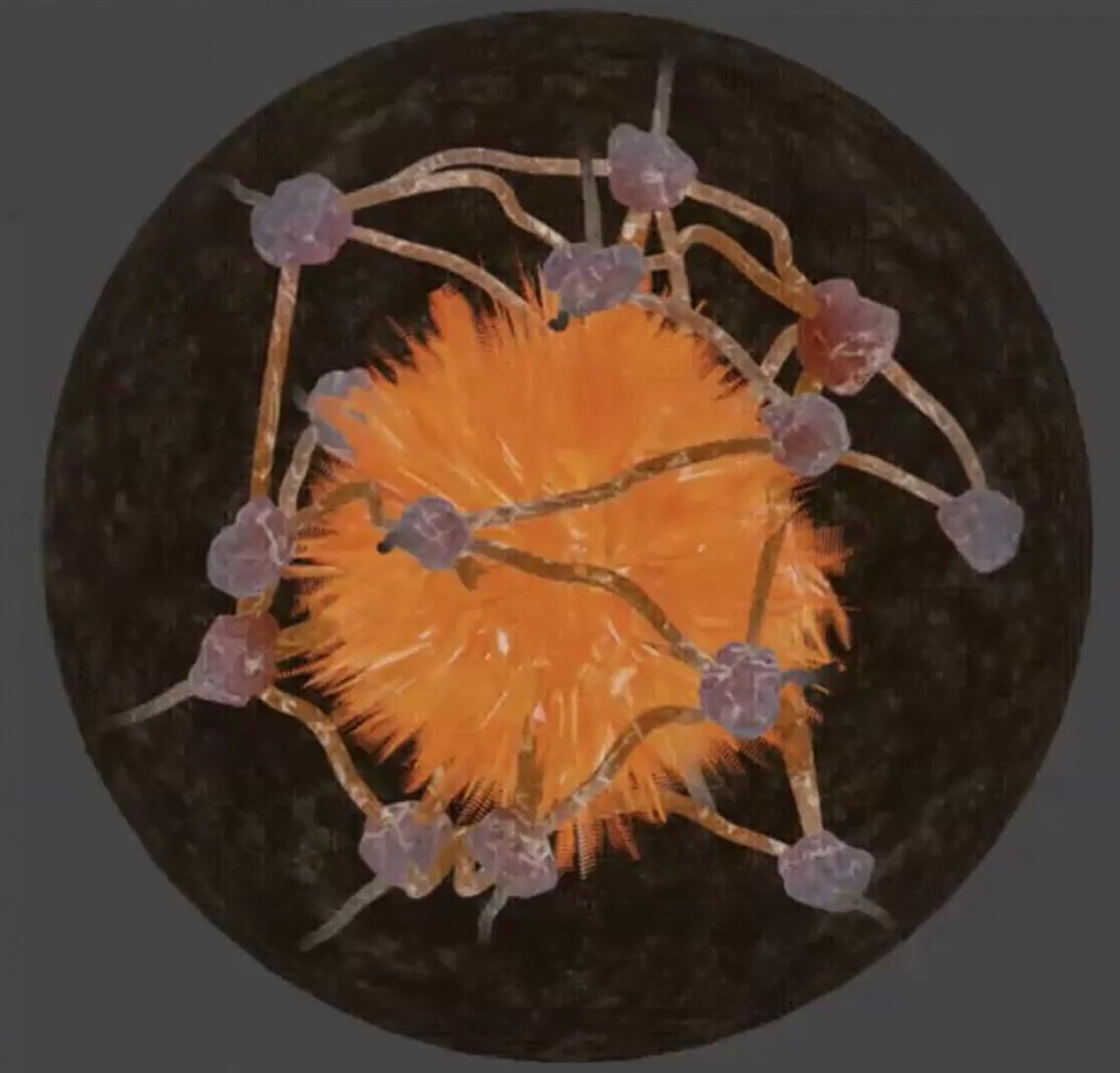
The 'Rudimentum Novitiorum' is an important early European chronicle of the world that was published in 1475 by Lucas Brandis de Schass. In 2025, students transformed the world map from the Rudimentum into an immersive full-dome projection, with interactive historical highlights shown in video format using AI.
The world map in the Rudimentum was reissued in 1491 in the Mer des Hystories. This additional map example was provided as part of the dataset.
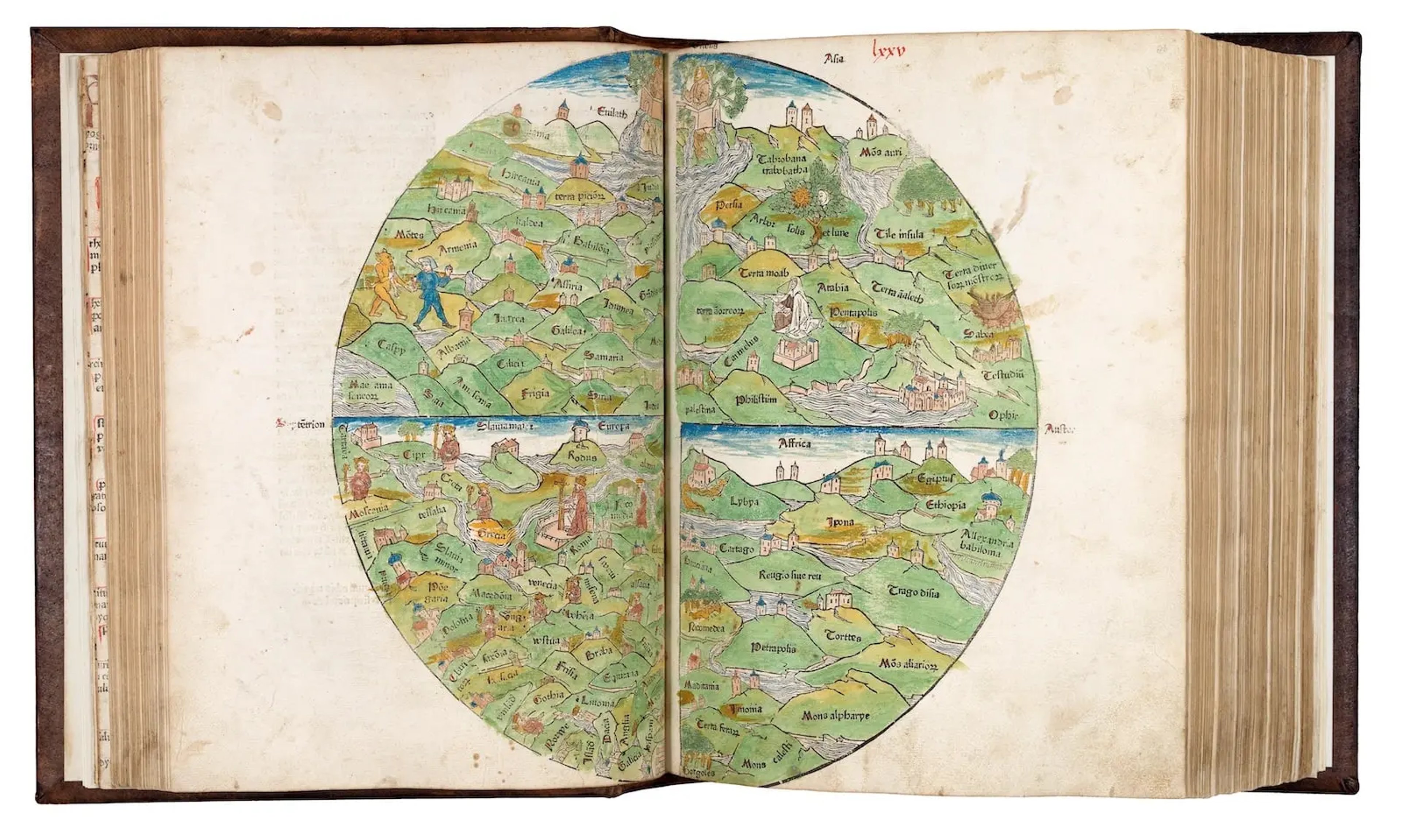
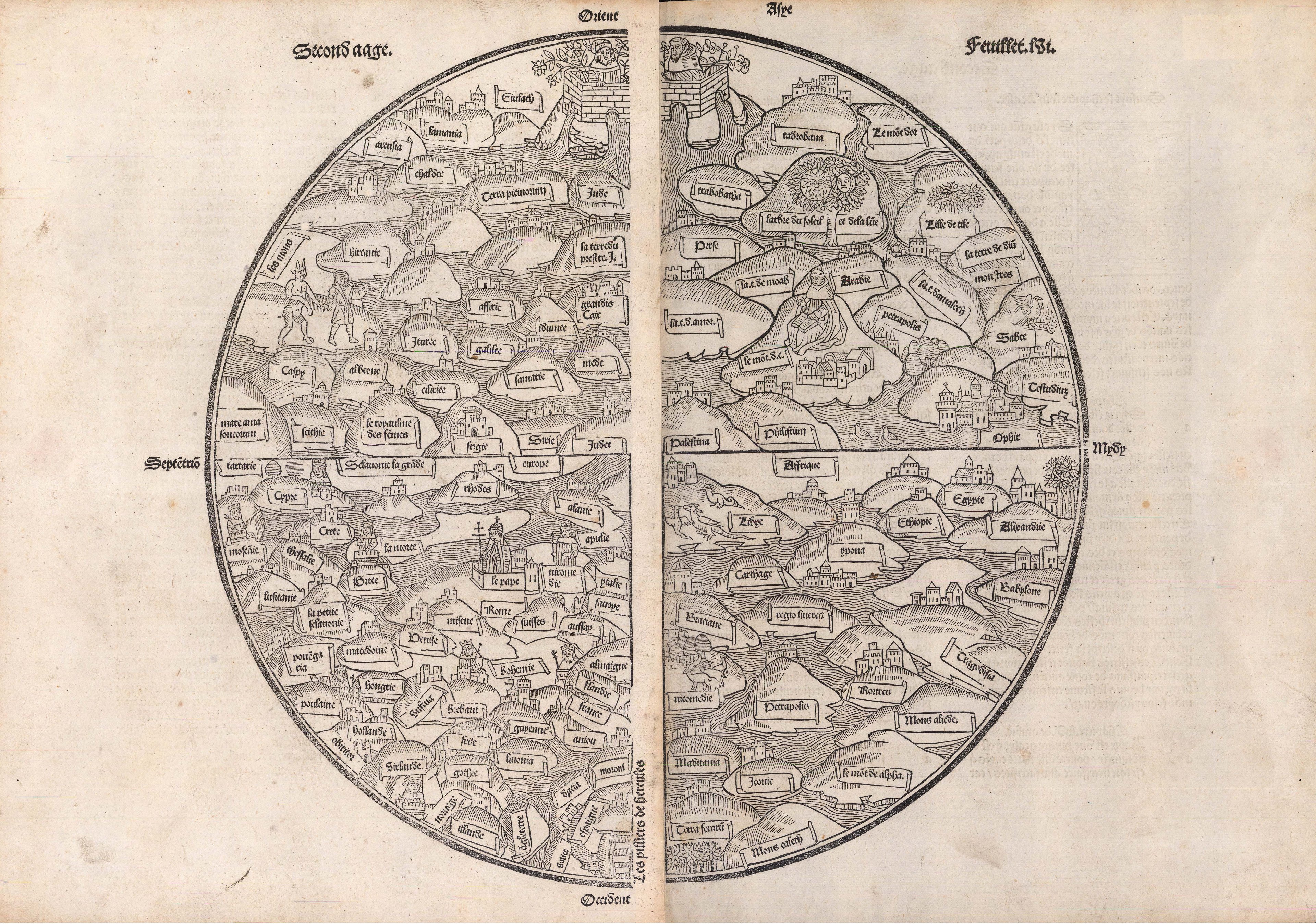
The world map from the Rudimentum Novitiorum (1475) and its re-issue in the Mer des Hystoires (1491) ©The Sunderland Collection
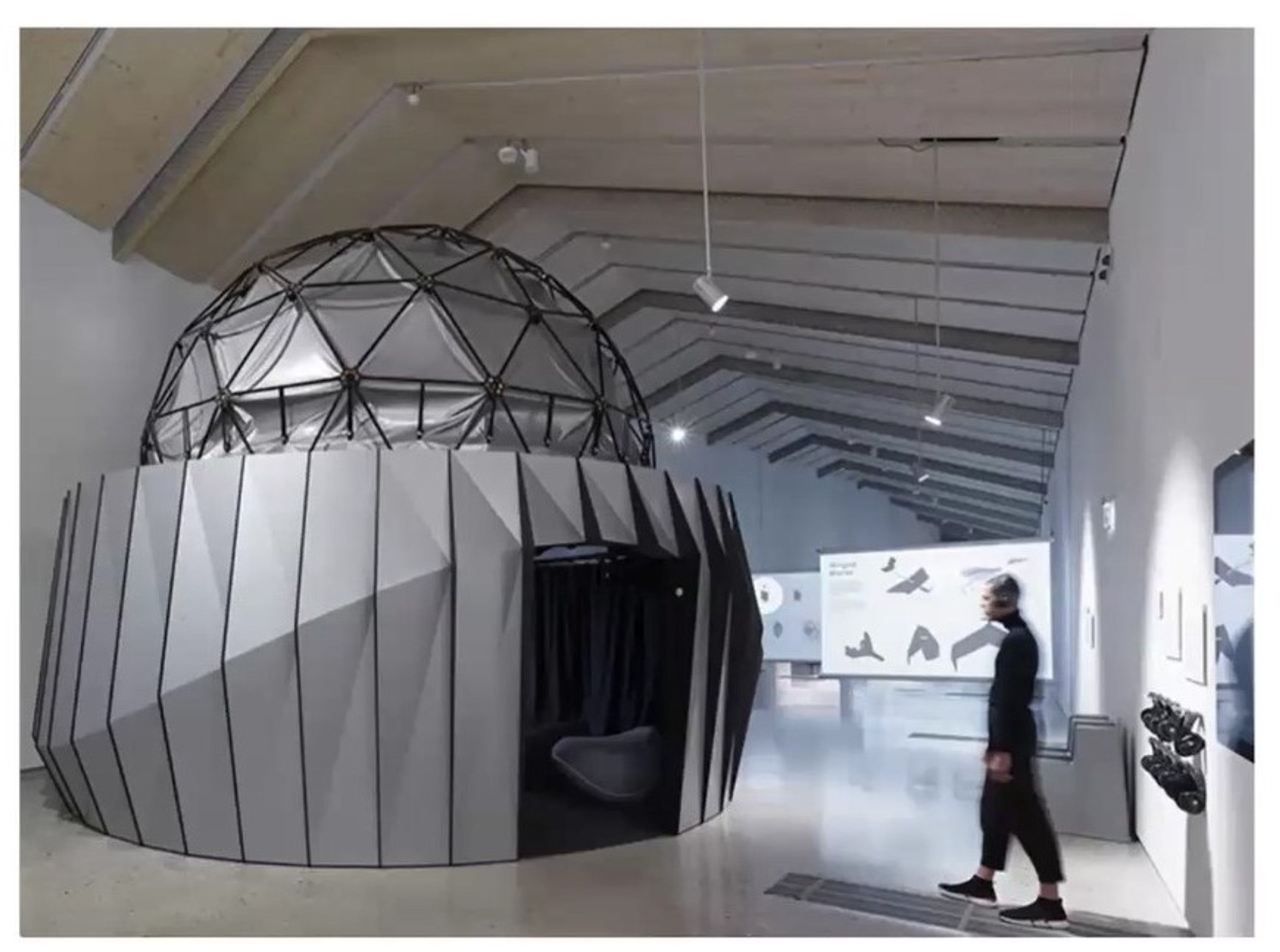
The Cupola at eM+, a 4.5m diameter wide, 6m tall space which has 4K full-dome projection capability. © EPFL/eM+
This project started with in-depth research into medieval mappamundi and T-O maps. The students were particularly inspired by the circular world map found in the Rudimentum, which resembles a cupola. They decided that this map was perfectly suited to a full-dome projection installation. The viewer could then be completely immersed in visuals and sounds, with an interactive element, much like an enhanced planetarium experience.
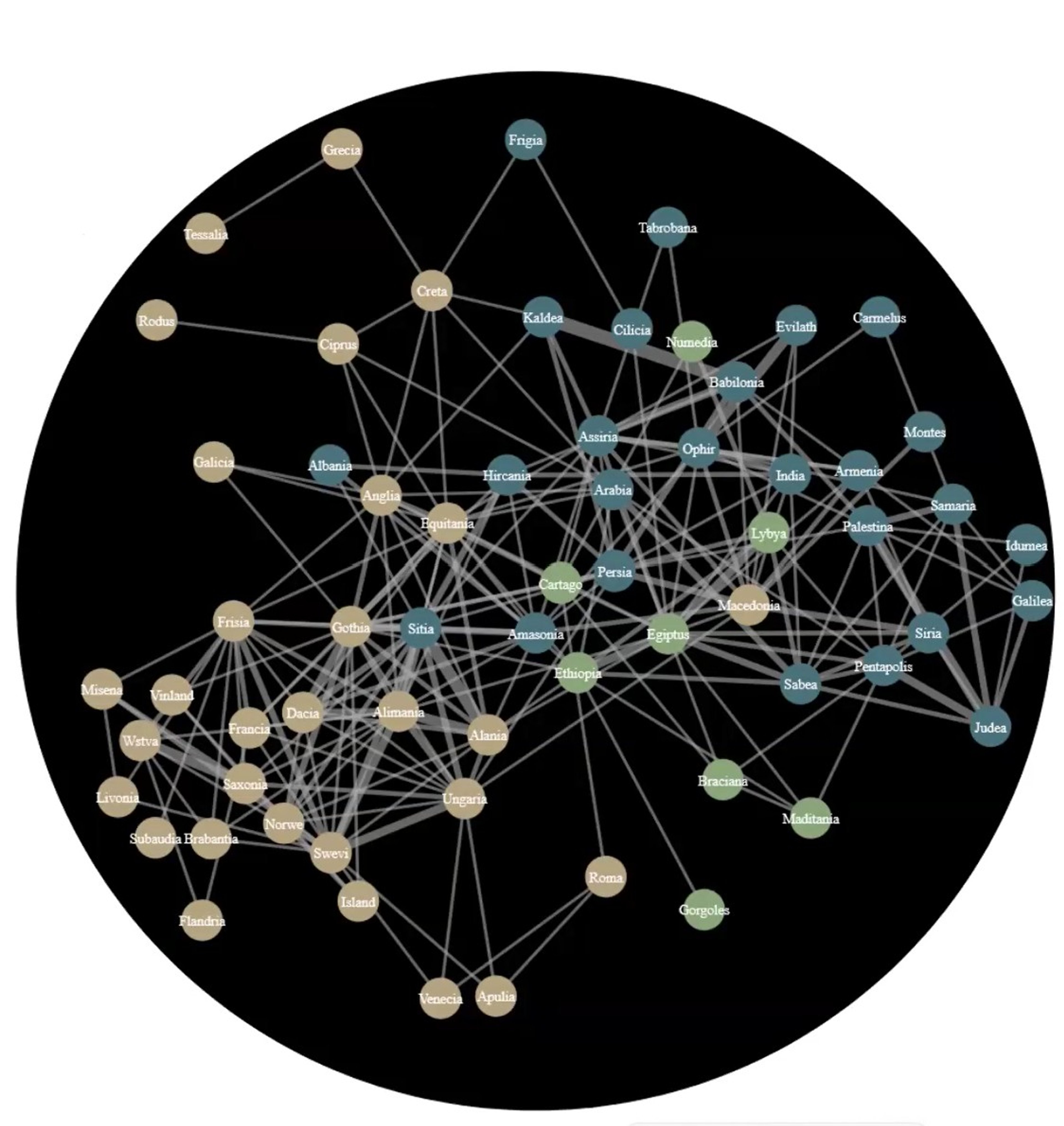
The students extracted text and images from the Rudimentum, which they used as subsets for their work. They then applied AI in combination with Optical Character Recognition (OCR) and Named-Entity Recognition (NER) to convert the printed text in images of the Rudimentum into editable text, after which they were translated from Latin to English.
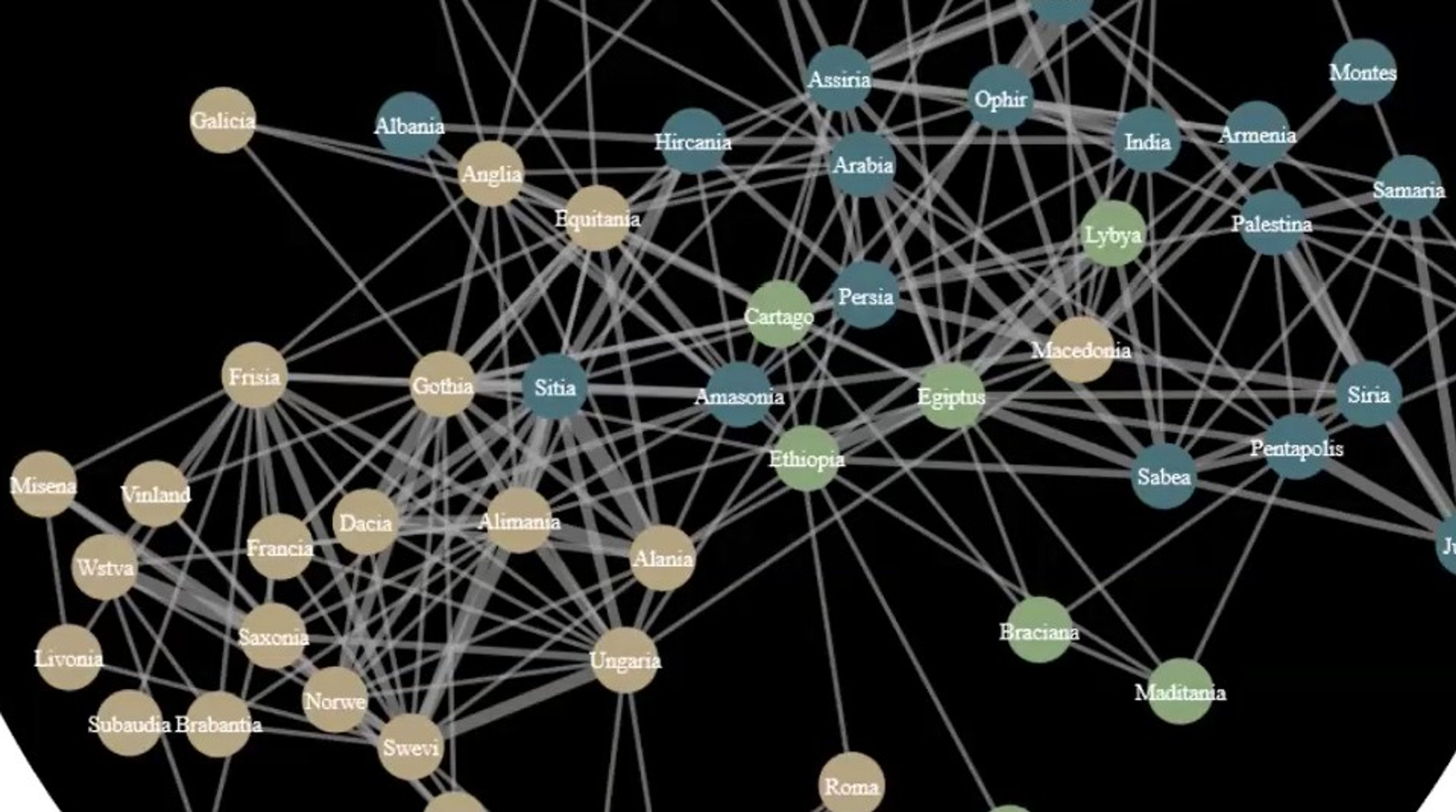
This network diagram shows how the dataset began to look. It uses nodes to connect geographical regions and pair it with the information provided in the text, forming what the students called a ‘network of ideas’. The data was manually checked to ensure that no biases were introduced from the modern world. The visual expression of the dataset, with its labels and interconnecting lines, could then be used by viewers as a 'menu' in the full-dome experience.
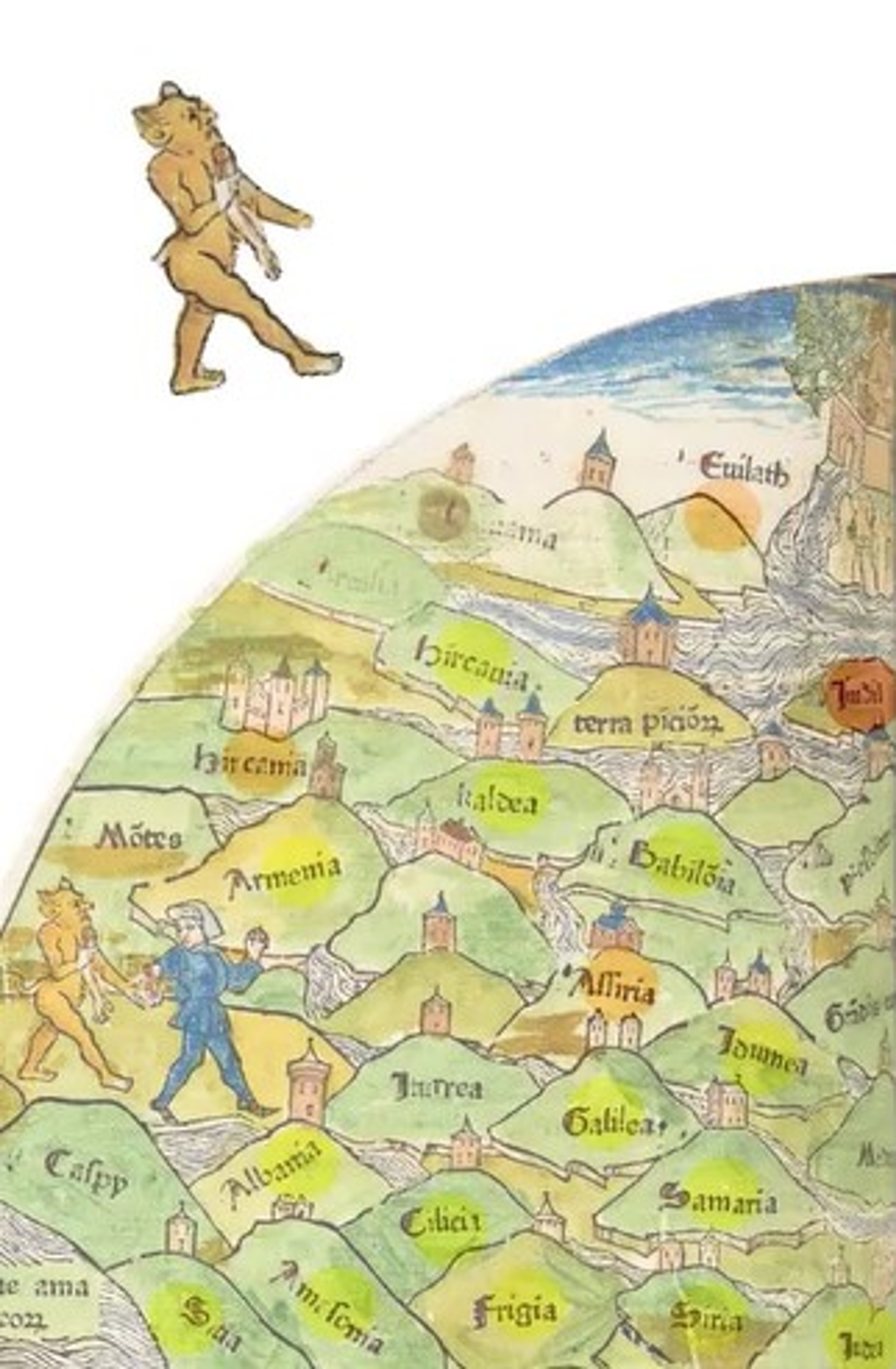
A physical wayfinding figurine - the devil from the Rudimentum world map - was created to help the viewer navigate around the physical map within the projection space.
The content created for the videos was generated using AI applications such as Sora and Elevenlabs. These were paired with a manually written script based directly on the description of the world provided in the Rudimentum.
The prototype created by the students anticipates that viewers would move through the experience by selecting nodes from the dataset menu. On selecting a node (such as a place), the viewer would then see a video and hear text and other sounds, describing that place in the Rudimentum world map using information from the book's text. Cleverly, when a video ends, the neighbouring regions to the node that was selected are left visible, in order to encourage the viewer to continue their journey onwards.
Here is an animated visualisation of the behind-the-scenes functionality of the programme:
The students tested the functionality using VR simulations in Meta Quest. Here is a brilliant visual VR-testing a real world scenario of using the physical character on the physical map, which launches the videos within the full-dome projection environment.

Here is a test animation of the full-dome experience, in which the viewer uses the wayfinder character to select a place on the map, thereby launching a video in the dome projection.
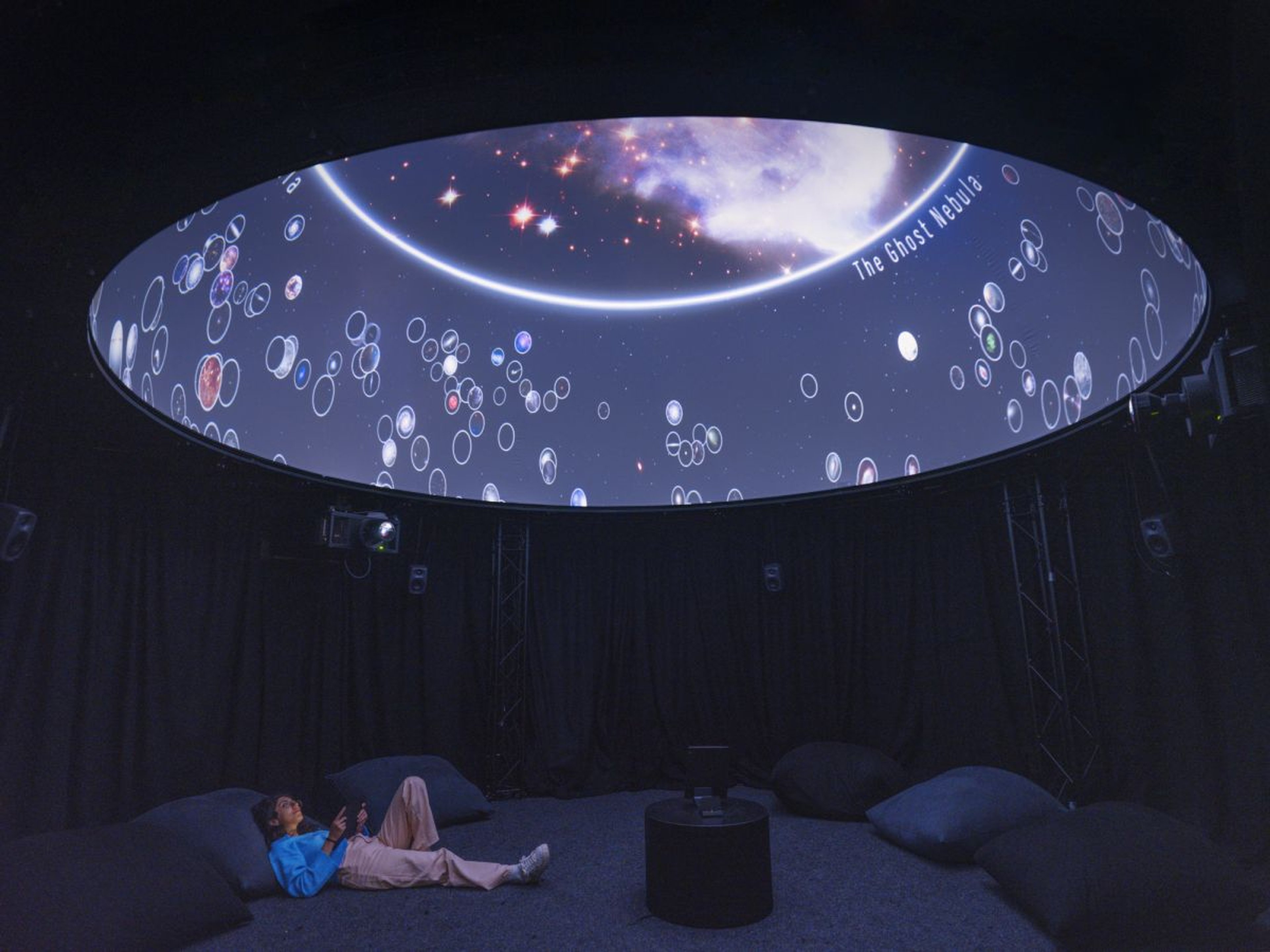
Interactive cupola (full-dome) in the exhibition Cosmic Collisions (2022) © eM+. Photo by Julien Gremaud.
This protype is based on a working model of a full-dome projection, and uses existing technology with custom interfaces developed and programmed by Professor Sarah Kenderdine and her team at eM+.
This interactive cupola was deployed in Cosmic Collisions, an astronomical collaboration with EPFL's Laboratory of Astrophysics (LASTRO); and in the award-winning travelling exhibition Songlines: Tracking the Seven Sisters that originated at the National Museum of Australia.
The Sunderland Collection is honoured to partner with eM+ and wishes to thank the brilliant Prof. Sarah Kenderdine for inviting us to submit data sets for her classes. We are inspired by the next generation of digital humanities innovators, and looking forward to seeing what they create next!
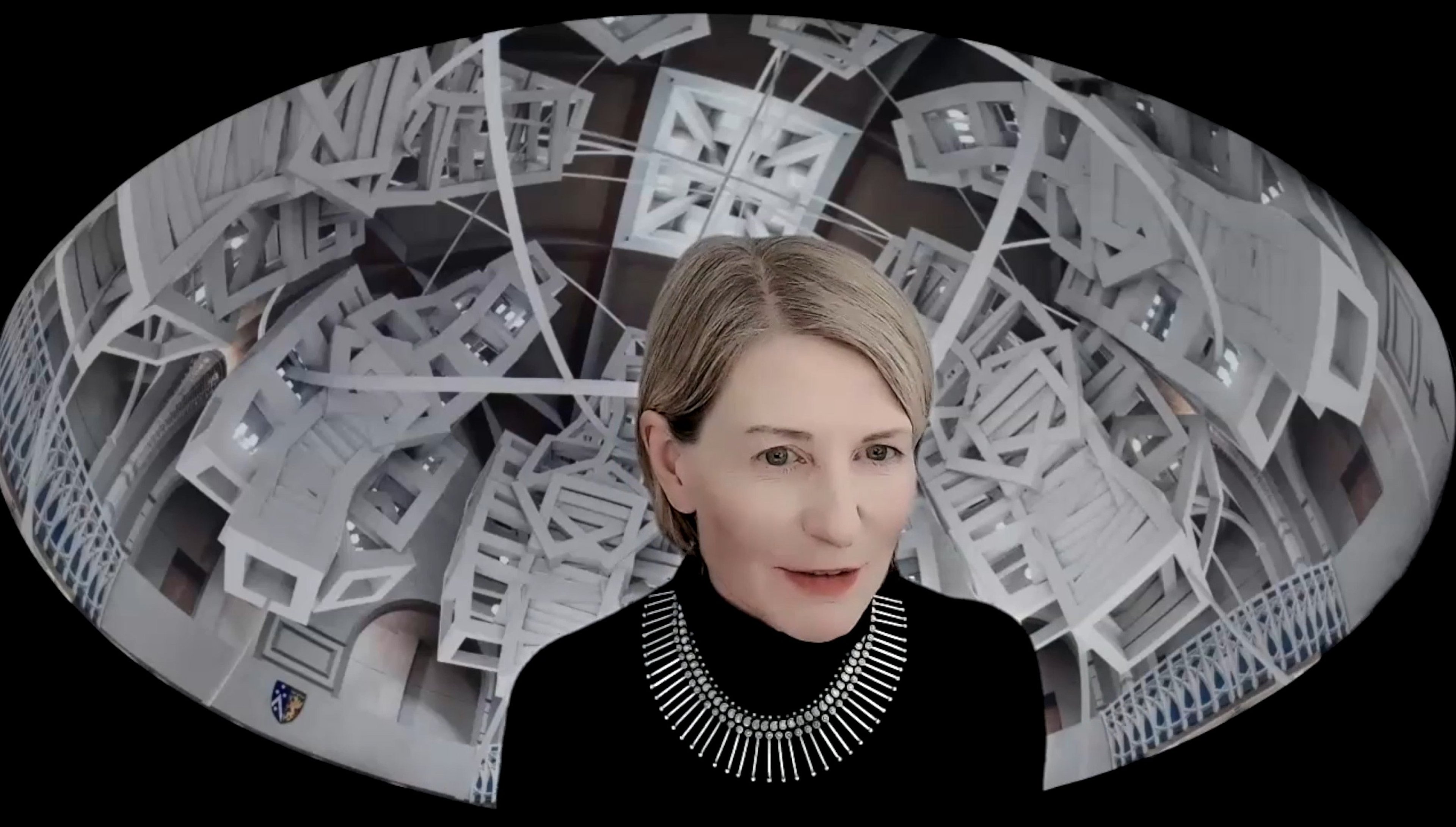
To find out more about Prof. Kenderdine's work, watch her presentation at 'Maps Are Too Exciting! Digital innovations in mapping", a Sunderland Collection Symposium held in October 2024 at the Bodleian Library.
All images courtesy of EPFL / eM+ and The Sunderland Collection.