Cosmic Maps
Proudly held with the Warburg Institute, London
Why is there a more complete map of the Moon than the ocean floor?
How can Paradise be represented as a location in space and time?
Have humans always looked for answers in the stars?
Join us for Cosmic Maps, an inspiring day of talks to accompany the exhibition Night Maps!
Explore the many ways humanity has imagined and mapped the cosmos, from medieval cosmologies to contemporary astronomy in this free day of talks, displays and discoveries.
27 November 2026, 11am to 6pm at the Warburg Institute, London
Click here to book. Free to attend - Registration essential!
A distinguished line-up of speakers will delve into a wide range of subjects, encompassing early scientific concepts of the subterranean world and oceanography, the charting of sacred spaces, and the human cosmos. They will examine humanity's enduring fascination with the night sky, alongside mapping celestial phenomena, fantasy worlds in outer space, and acoustic landscapes in liminal spaces.
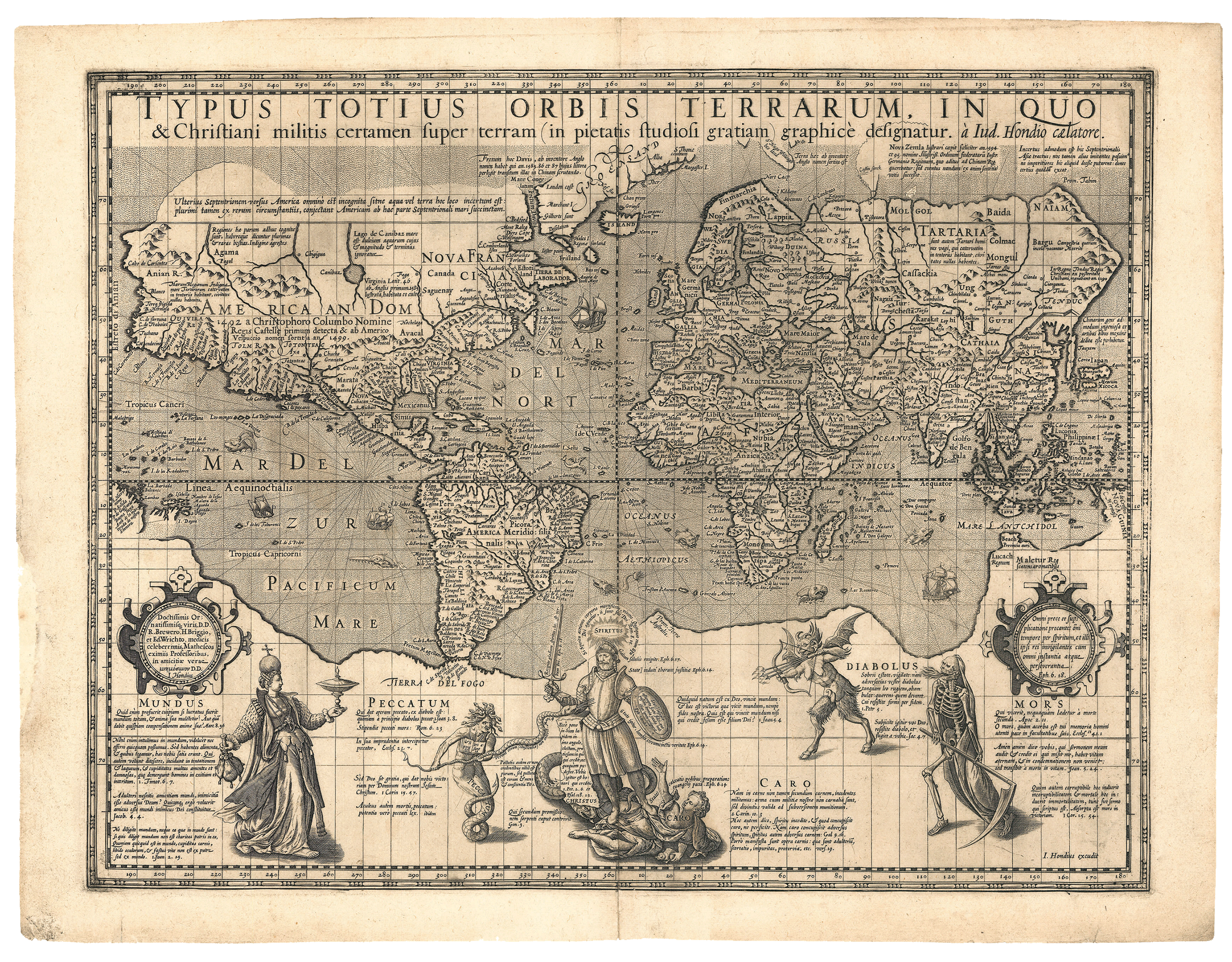
Jodocus Hondius’ Christian Knight Map (c.1597)
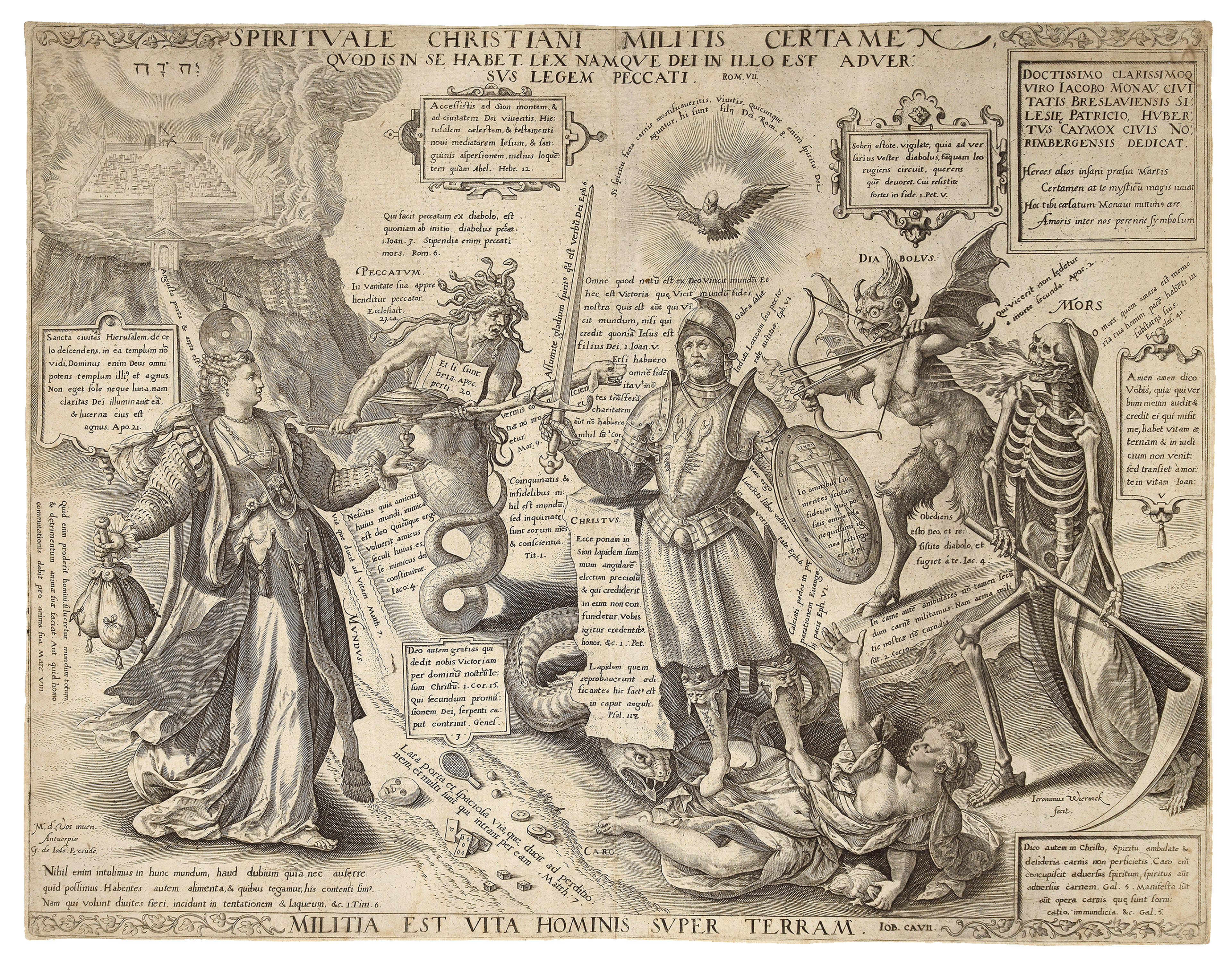
Hieronymus Wierix’s Christian Knight engraving (1587)
Programme
What Lies Beneath
Adam Lowe - Athanasius Kircher and the Subterranean World
Dr. Helen Snaith - Marie Tharp and Mapping the Ocean Floor
Mapping Sacred Spaces
Prof. Alessandro Scafi and Prof. Diwakar Acharya discuss depictions of Paradise through history
Humanity and the Cosmos
Jo Marchant in conversation with Prof. John Tresch
Imagined Worlds
Prof. James Machin and Prof. Roger Luckhurst discuss Fantasy and Weird Fiction
Mapping Sound
Michaela Vieser and Isaac Yuen discuss their book, The Sound Atlas
Join us for a special reception for The Sound Atlas after the talks!
Meet the Speakers
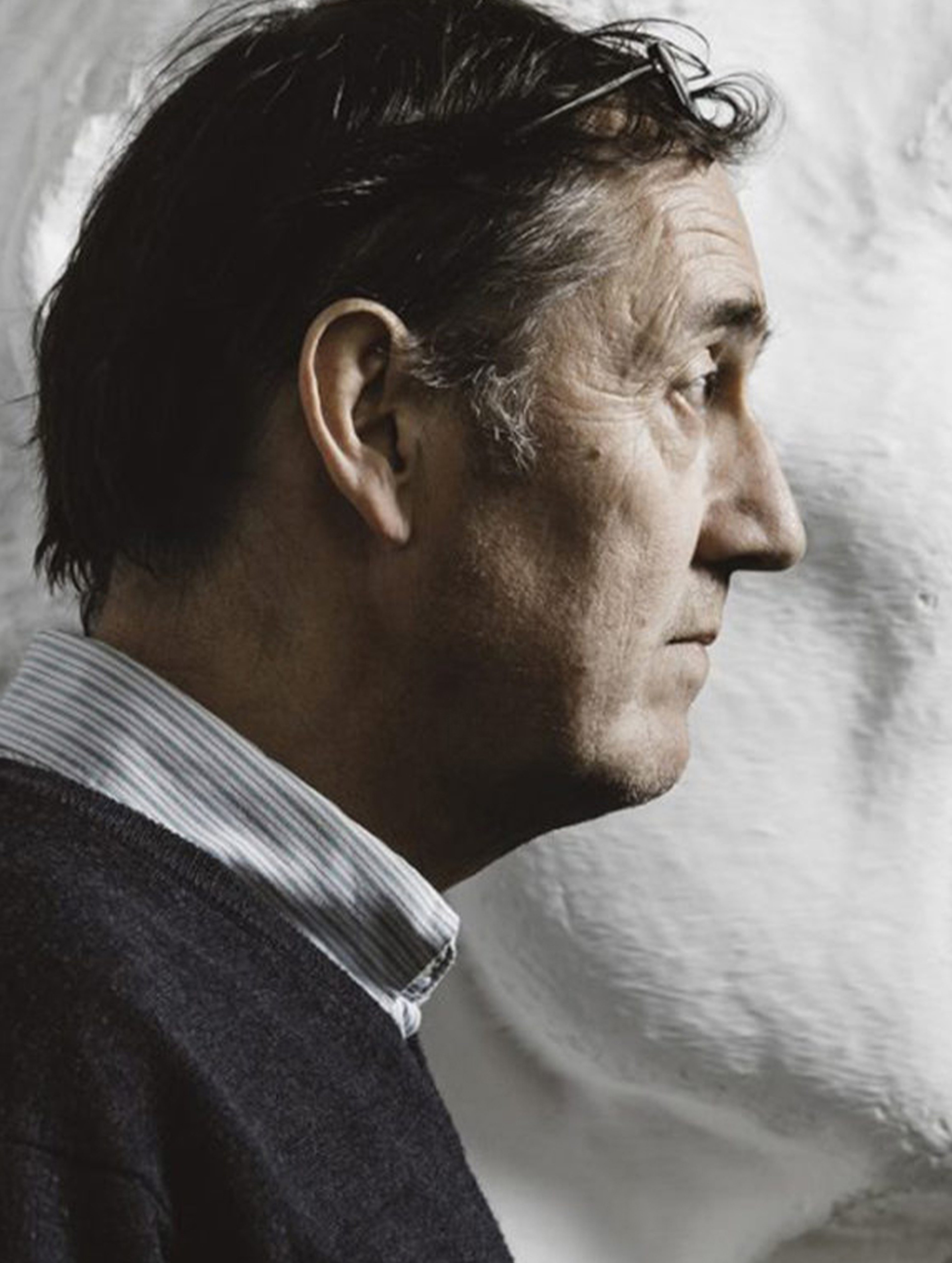
Adam Lowe
Adam Lowe is the Director of Factum Arte and the Factum Foundation for Digital Technology in Conservation. Originally a painter, he was trained in Fine Art at the Ruskin School of Drawing in Oxford and the Royal College of the Arts in London.
In 2001, Adam founded Factum Arte, a multidisciplinary workshop dedicated to digital mediation for the production of works for contemporary artists. He founded Factum Foundation in 2009 with the aim of using Factum Arte´s innovative processes and technologies for preservation, high-resolution recording, education, and the development of thought-provoking exhibitions worldwide.
Adam has been an adjunct professor at the MS Historic Preservation at Columbia University, New York since 2016. In 2019, he became a Royal Designer for Industry, awarded by the Royal Society of Arts. He has written extensively on the subject of originality, authenticity and preservation.
Dr. Helen Snaith
Helen is a Senior Data Scientist and Manager in the British Oceanographic Data Centre (BODC) at the National Oceanography Centre, Southampton.
She has over 25 years’ experience in remote sensing oceanography and is primarily responsible for high-volume data management strategy and the delivery of external contracts at the National Oceanography Centre. Her scope of work also includes the development of new products and services in support of oceanographic research.
Helen received a PhD in Physical Oceanography from Southampton University in 1993.
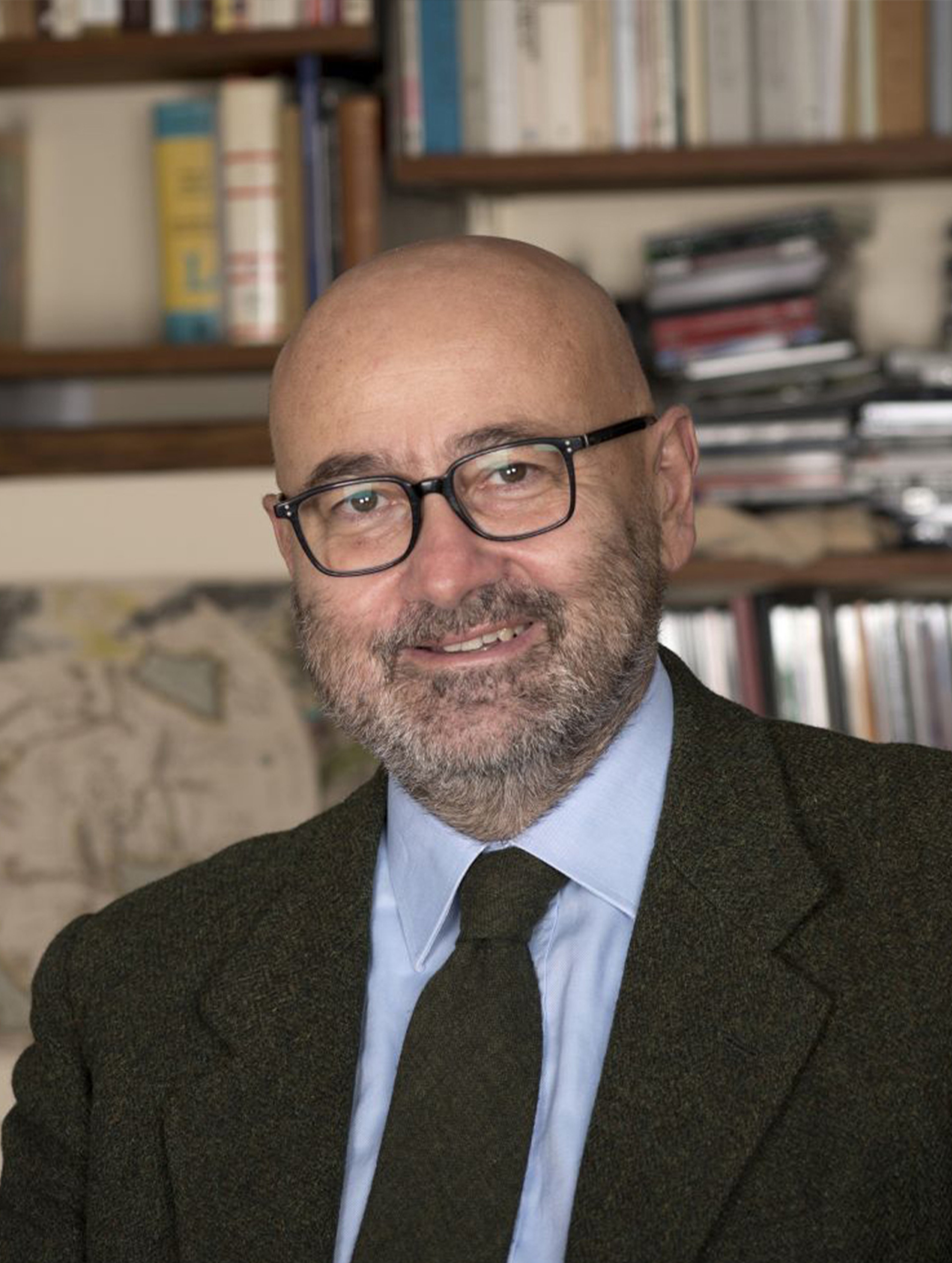
Prof. Alessandro Scafi
Alessandro Scafi is a Senior Lecturer on Medieval and Renaissance Cultural history at the Warburg Institute, School of Advanced Study, University of London. Before this he spent eight years of teaching at the University of Bologna.
He is the author of several books on the depiction of the biblical Garden of Eden on maps and on various aspects of the history of cartography. His research interests include Italian art and literature - in particular Dante - pilgrimage and utopian visions.
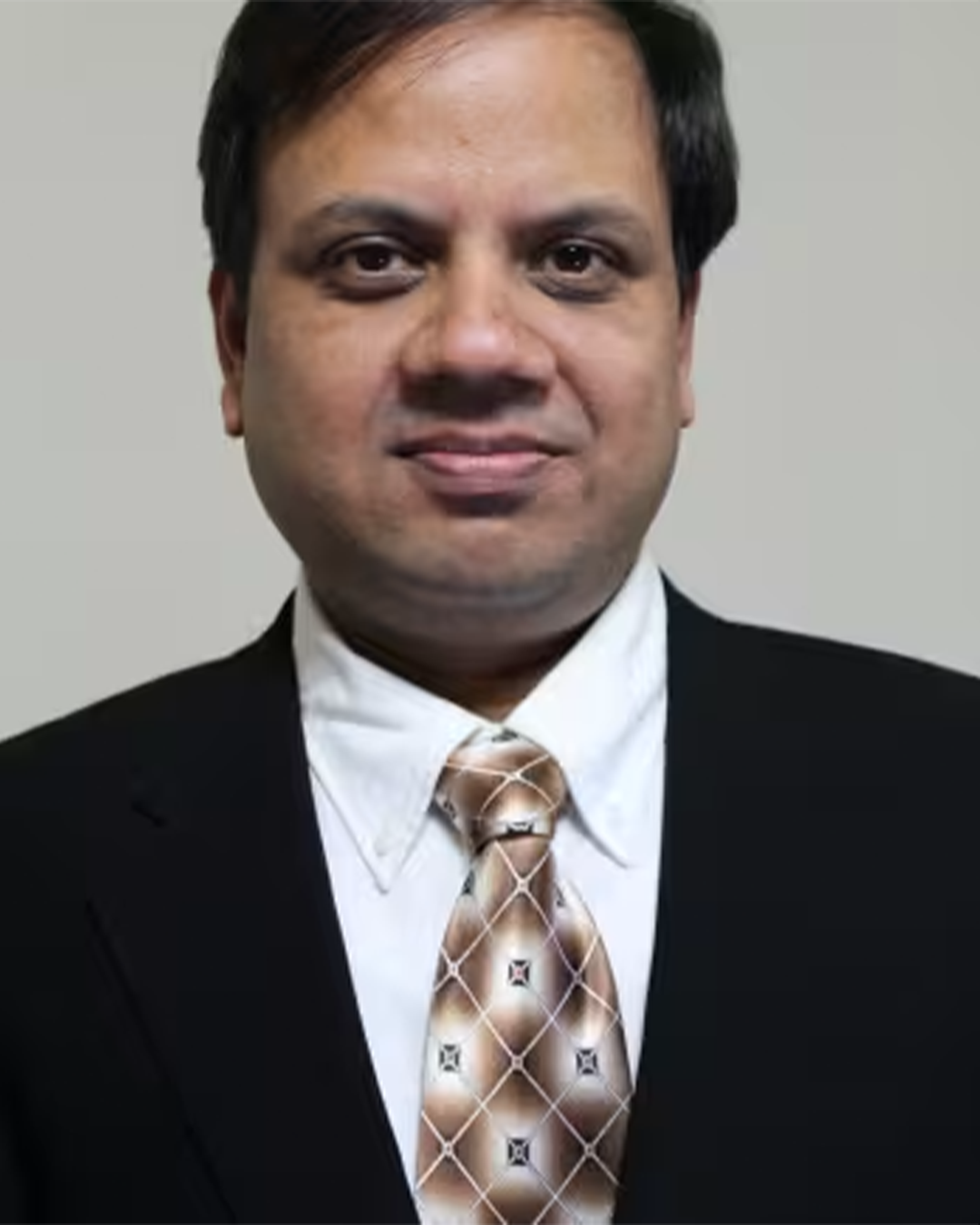
Prof. Diwakar Acharya
Professor Diwakar Acharya is a leading scholar of South Asian religious and philosophical traditions. His research focuses on the historical development of Indian religions, with particular attention to Sanskrit textual traditions, epigraphy, and the intellectual history of early and medieval South Asia.
Before taking up his position at Oxford in 2016, Acharya held academic appointments at Kyoto University (2006–2016), the University of Hamburg (2003–2006), and Nepal Sanskrit University (1993–2003). He also served as Editor-in-Chief of the Journal of Indian Philosophy from 2014 to 2024. His scholarship is distinguished by the discovery, editing, and interpretation of previously unpublished Sanskrit texts.
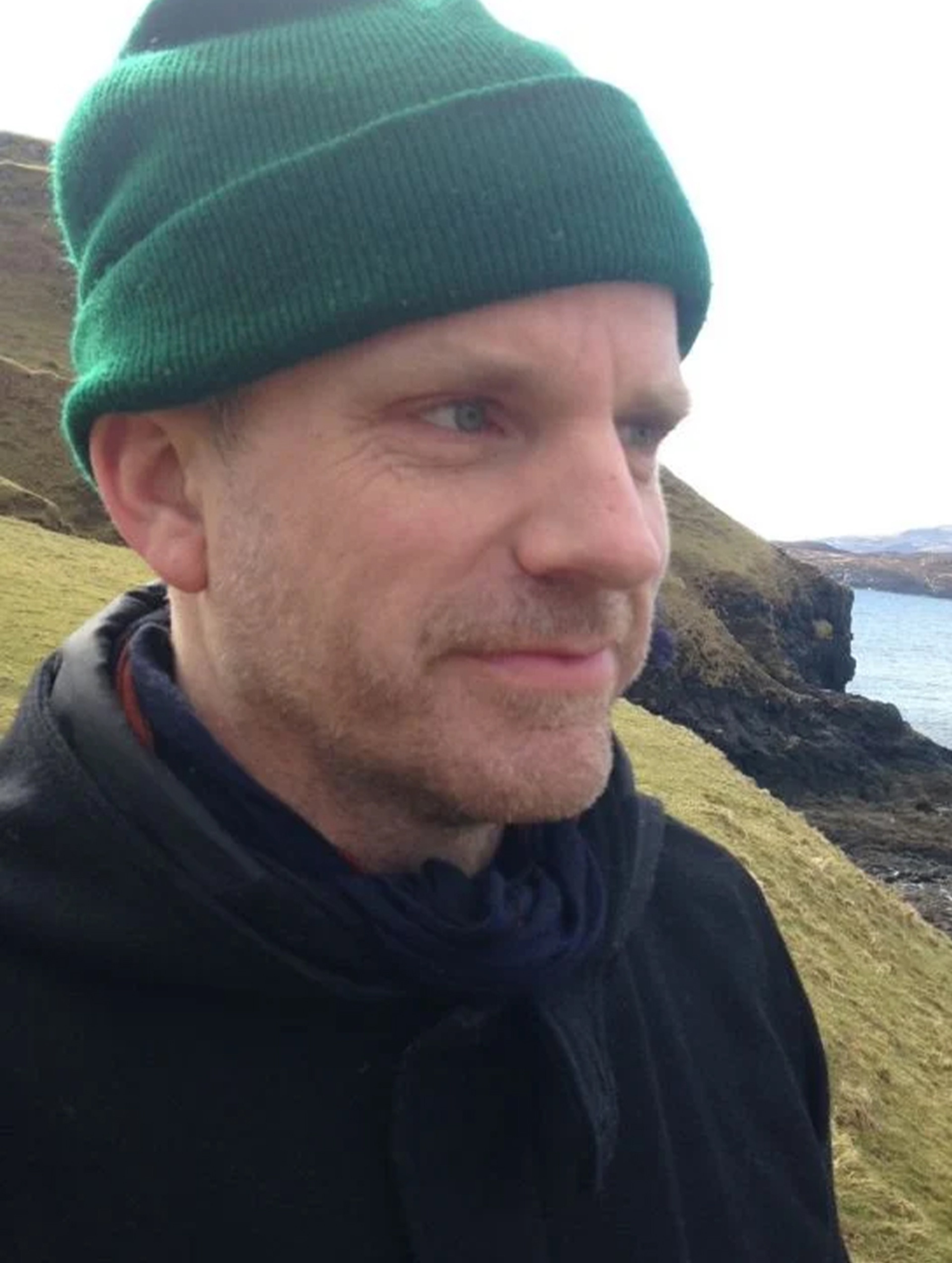
John Tresch
John Tresch is the Professor of History of Art, Science, and Folk Practice, Warburg Institute, University of London. He is the curator of their latest major exhibition, Night Maps.
John’s research examines changing methods, instruments, and institutions in the sciences, arts, and media from the early modern period to the present, as well as connections among disciplines, practices, and cosmology. He has published two books on nineteenth-century sciences and their connections to technology, arts, literature, and politics.
John co-teaches the MA in Culture, Visual and Intellectual History's introductory module, “Reviving the Past,” with Sara Miglietti and Alessandro Scafi. He also teaches Cosmological Images: Representing the Universe, examining the specific objects and settings through which religions, arts, and sciences have described and communicated the order of the universe, both from within and outside the West.
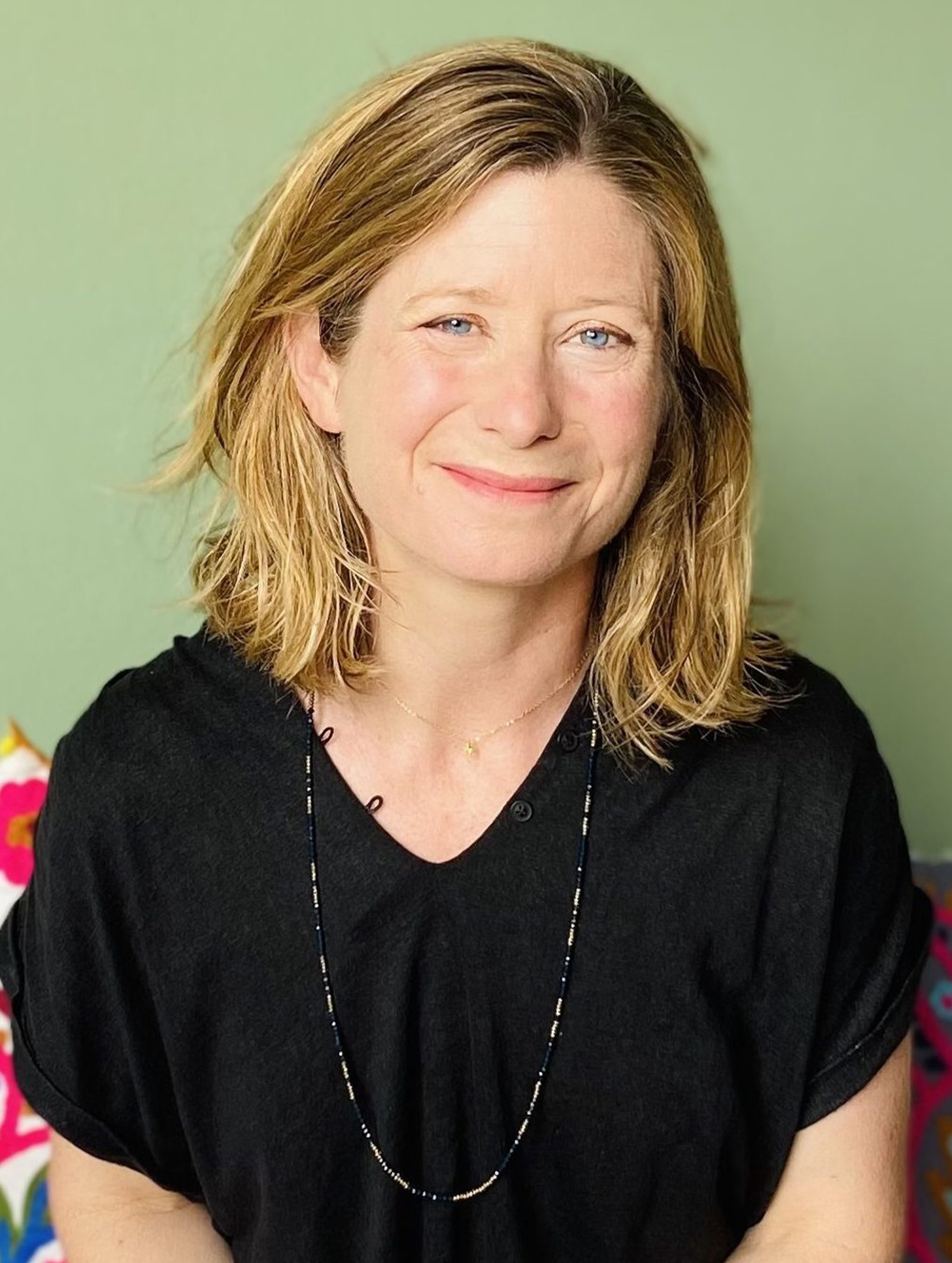
Jo Marchant
Jo Marchant is an English freelance journalist and author specialising in science and history. She is a New York Times bestselling author and speaker. Her writing explores the nature of humanity and our universe, from the mind-body connection to the mysteries of past civilisations and the awe-inspiring night sky.
She has written extensively on how we can use our minds to improve our health, using techniques from mindfulness and virtual reality to drug-free medicines. She is also fascinated by how human societies through history have made sense of the world, with articles investigating ancient enigmas such as cave paintings, pyramids, hidden manuscripts and lost technology. Her most recent book, The Human Cosmos (2020), tells the story of humanity’s relationship with the night sky and the universe beyond.
Her book Cure: a journey into the science of mind over body (2016) is a New York Times bestseller.
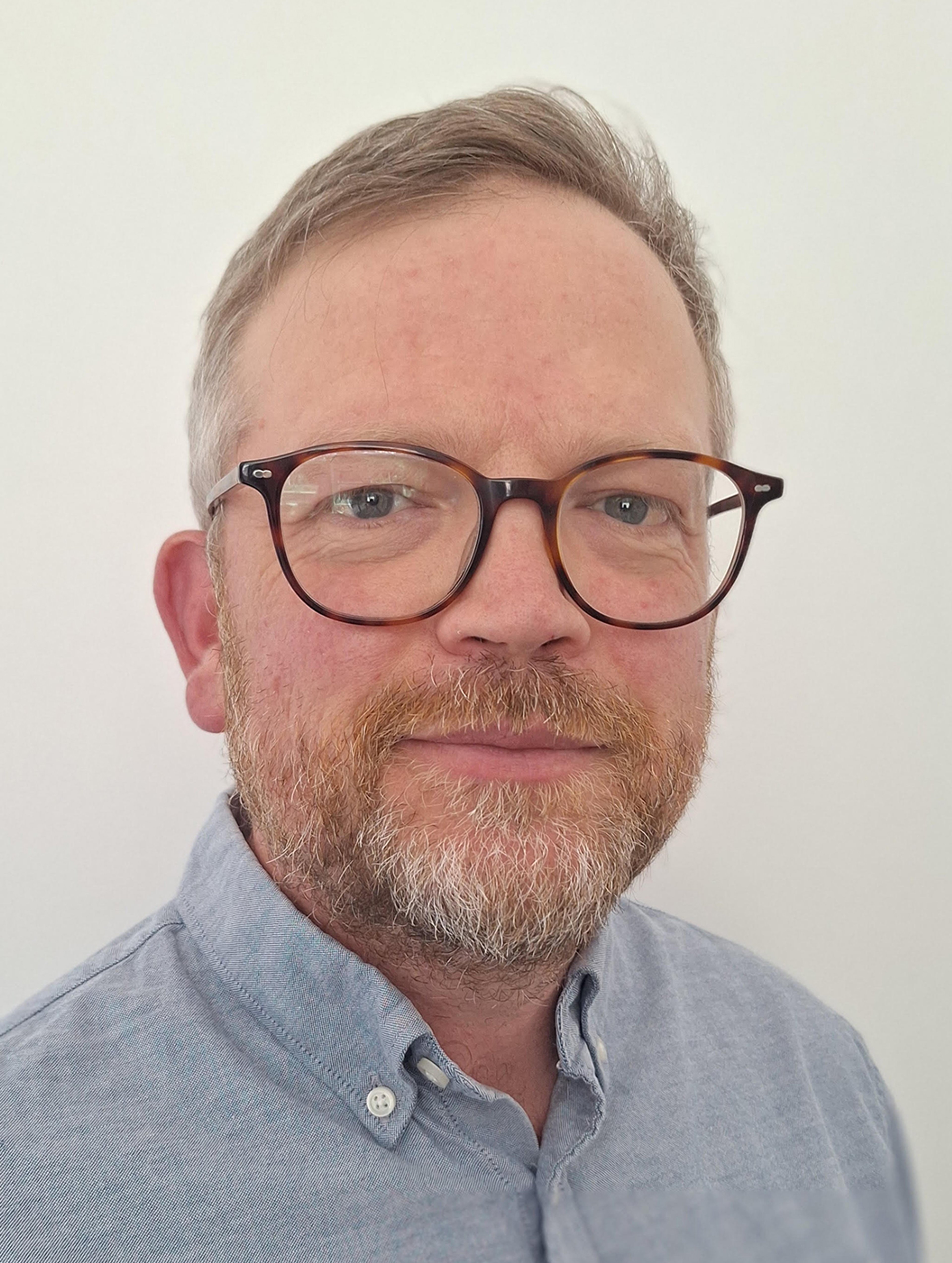
James Machin
James Machin is a Visiting Research and Knowledge Exchange Fellow at Goldsmiths, University of London. He is a writer, researcher, editor, and archivist specialising in Gothic, weird, and fantastic literature of the long nineteenth and early twentieth centuries. James is also the cataloguer for Ex Carta.
He is the author of Weird Fiction in Britain 1880–1939 (Palgrave, 2018) and editor of Arthur Conan Doyle’s The Stark Munro Letters for Edinburgh University Press (2024), where he is also Technical Editor for the Edinburgh Edition of the Works of Arthur Conan Doyle. James’ recent editorial work includes The Strange Stories of John Buchan for British Library Publishing (2025).
Prof. Roger Luckhurst
Roger Luckhurst specialises in the study of science fiction and the Gothic. He has published 10 monographs, including a study of J. G. Ballard (1998), cultural histories of telepathy (2002), science fiction (2005), trauma (2008), the mummy's curse (2011), book length studies of ‘The Shining’ (2013) & ‘Alien’ (2014), zombies (2015), corridors (2019) and an illustrated history of the Gothic (2021).
His future works include a history of the graveyard (2025) and an edition of the minutes of the Ghost Club (2026). He has edited several Gothic classics for Oxford, including works by Stevenson, H. G. Wells, Stoker, Henry James and Rider Haggard. He has had an enduring interest in the representations of the apocalypse and dystopian fiction since his earliest published work on J. G. Ballard.
Michaela Vieser
Michaela Vieser is a Berlin-based, award-winning author of 11 books including the national bestseller Tea with Buddha: My Year in a Japanese Monastry (2009) and The Sound Atlas: A Guide to Strange Sounds across Landscapes and Imagination (2025, co-authored with Isaac Yuen), which was named Best Literary Travel Book at the ITB BookAwards 2024.
She explores liminal spaces through science, sensing, and sensemaking, playing with narrative, language, and research. Her narrative work has appeared on Deutschlandfunk Kultur, the BBC and FAZ, among others. Michaela’s features and documentaries have been nominated for the Bavarian film prize and the Grimme prize. She was Nature Writer in residence at the Jan-Michalski Foundation, received the German Prize for Nature Writing Scholarship and co-founded the Living Libraries for Nature Writing in 2021 and the Intelligent Landscapes in 2022 and was awarded Wave Writer for the Okeanos Foundation in 2022 and 2023. For her text whalefall she won creative non-fiction prize for the Rachel Carson Center for Environment and Society Environmental Writing Competition in 2025.
Isaac Yuen
Isaac Yuen is a first-generation Hong Kong-Canadian. He is the co-author of the The Sound Atlas and runs ekostories.com is a nature-writing and culture blog created His solo nature essay collection, Utter, Earth: Advice on Living in a More-Than-Human World (2024). The title piece with the same name, published in AGNI, was awarded a Pushcart Prize.
Isaac’s short fiction and creative nonfiction can be found at Gulf Coast, Newfound, Orion, Pleiades, PRISM International, Shenandoah, The Willowherb Review, Tin House, and elsewhere. He was a 2019 Jan Michalski Foundation writer-in-residence in Switzerland, a 2023-2024 Fiction Meets Science fellow at the HWK Institute for Advanced Study in Northern Germany, and a 2024 Canadian artist-in-residence at the La Napoule Art Foundation in Southern France. He currently serves as Associate Fiction editor at Tahoma Literary Review.
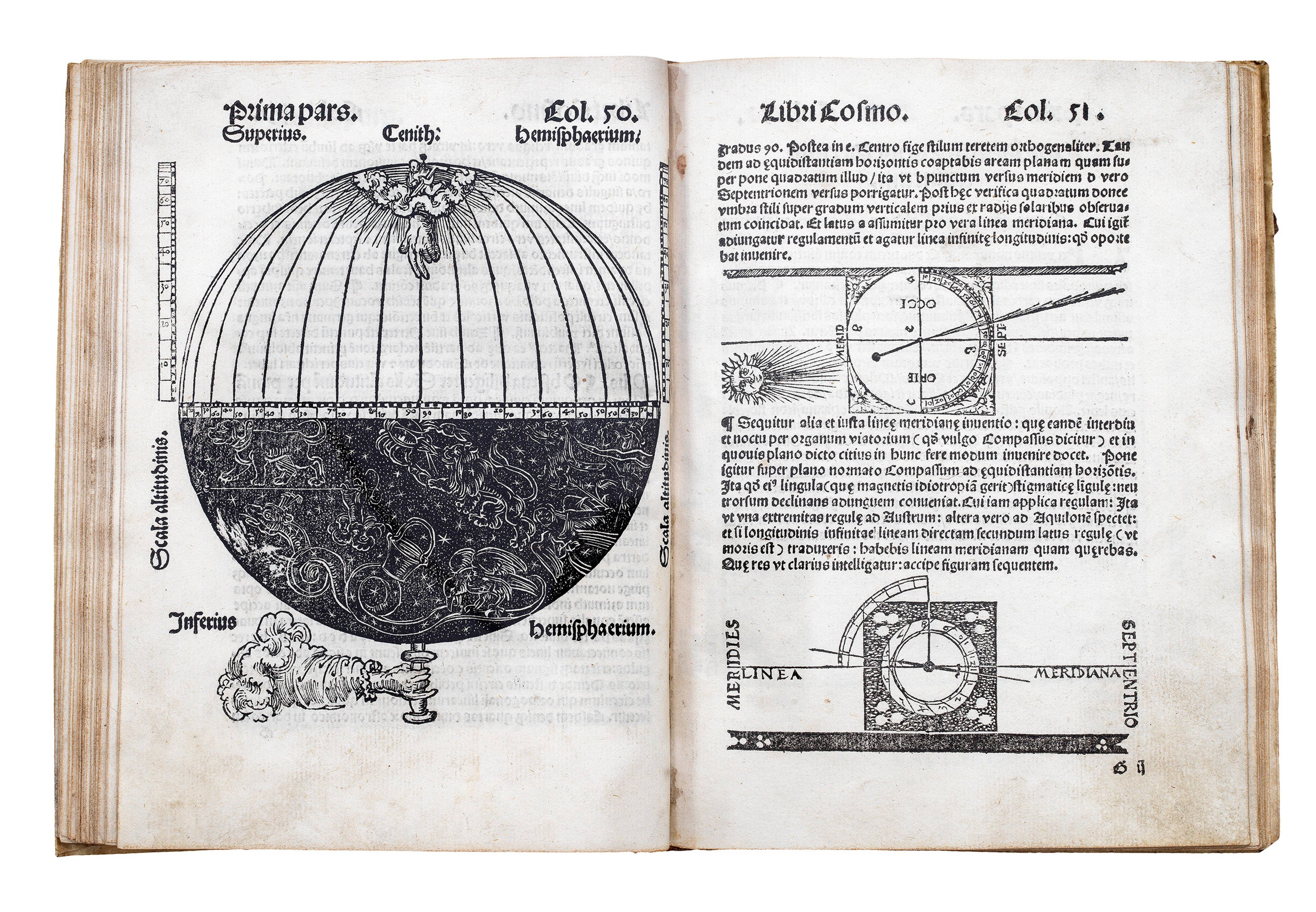
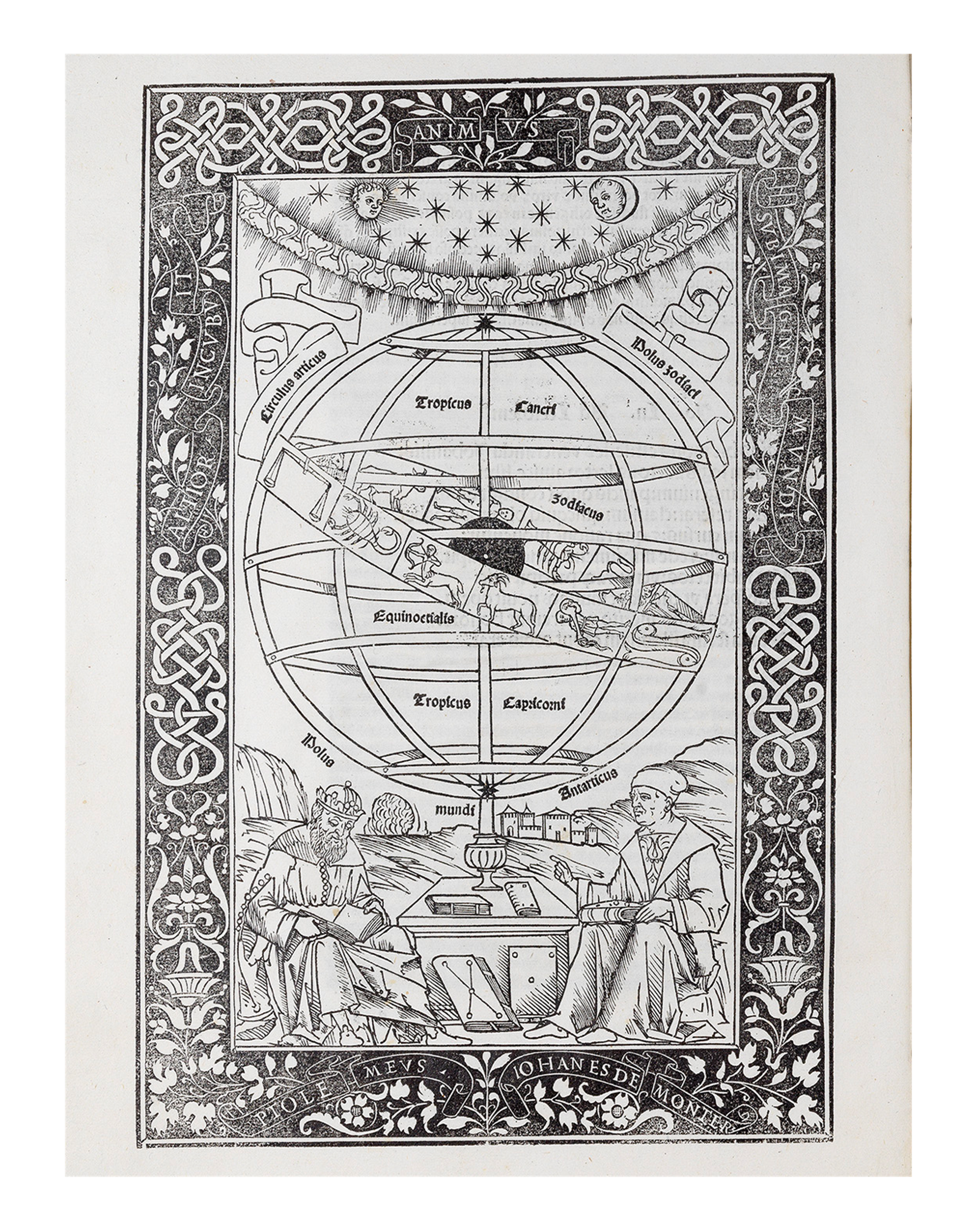
Petrus Apianus’ Cosmographica Liber (1524)
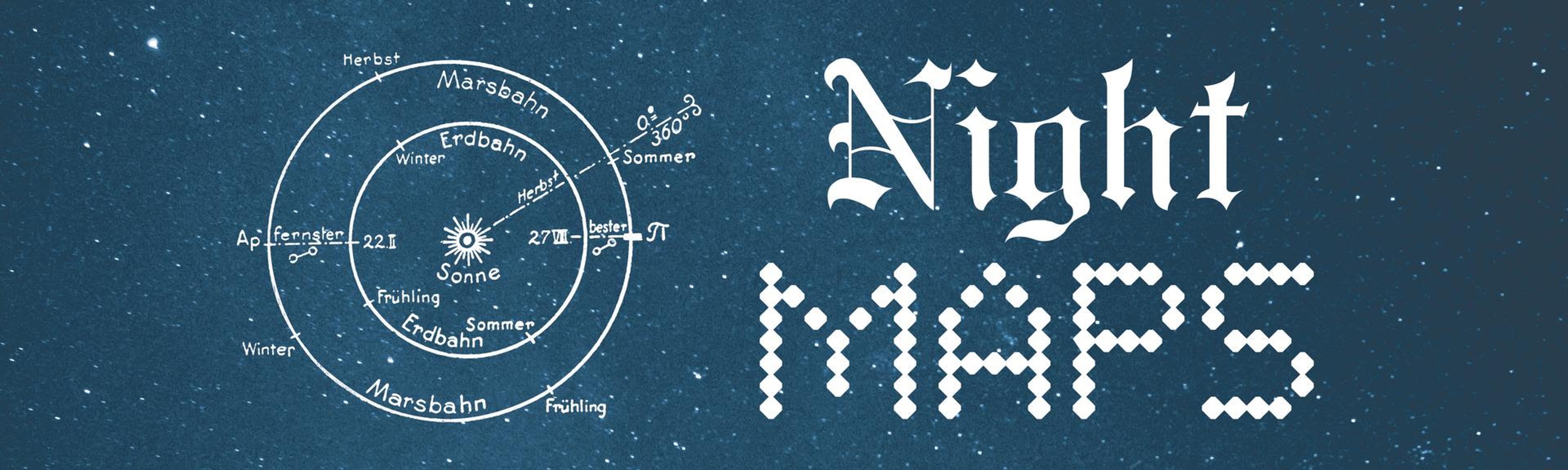
About NIGHT MAPS
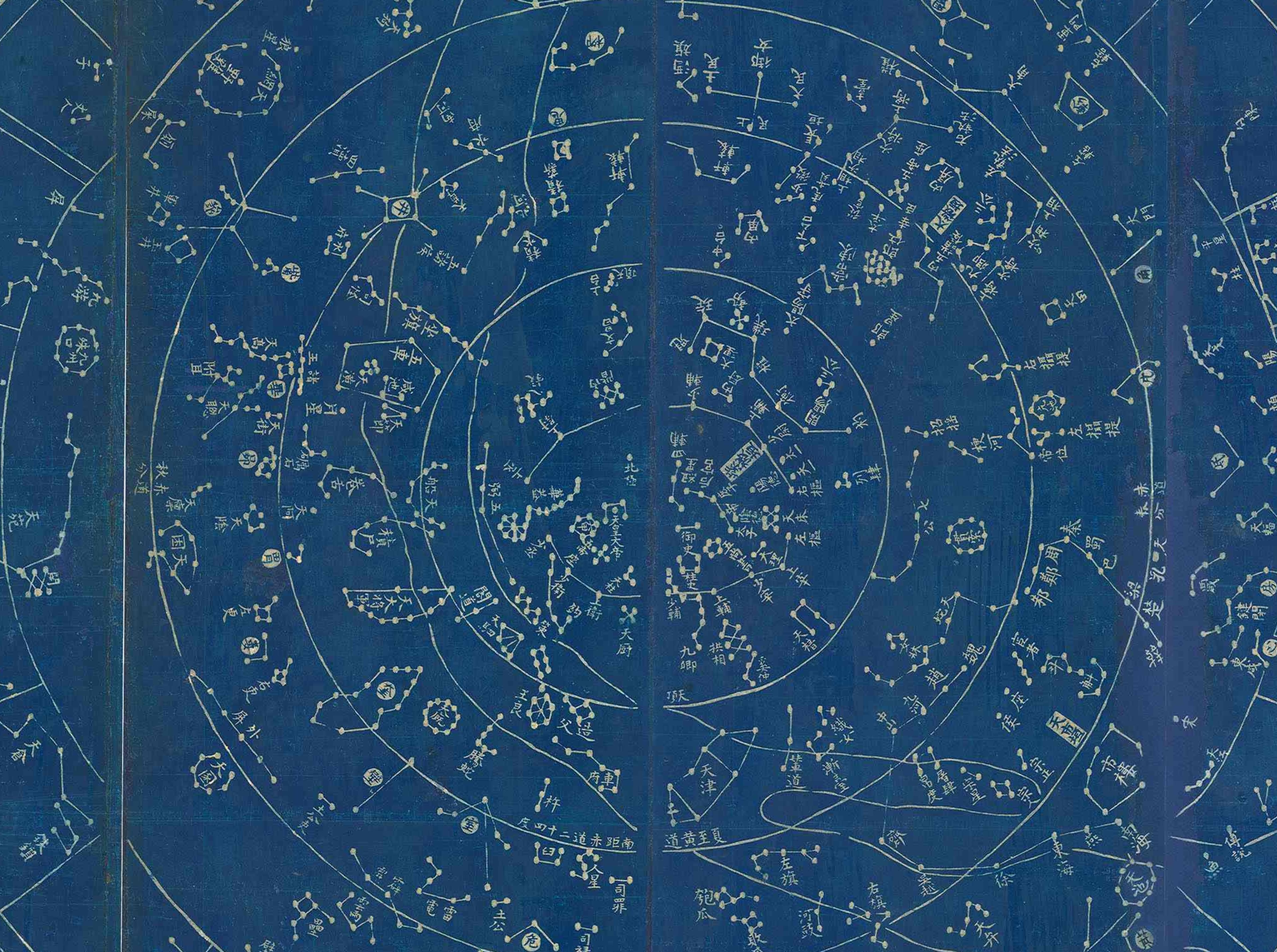
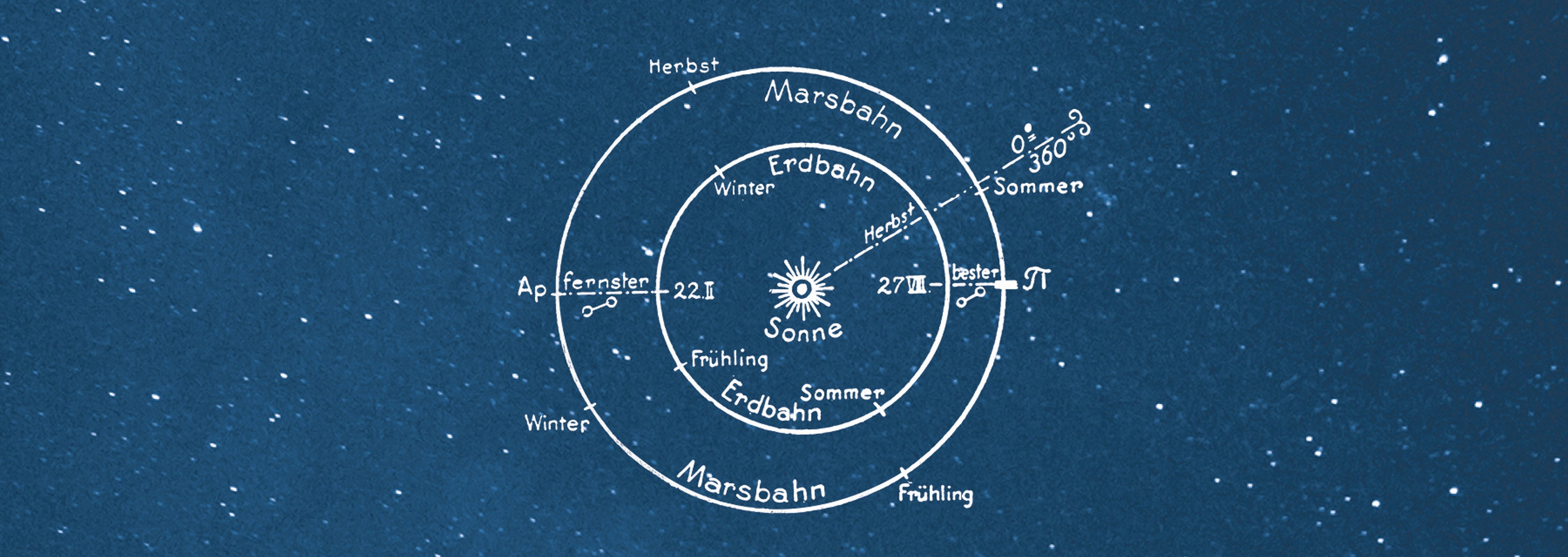
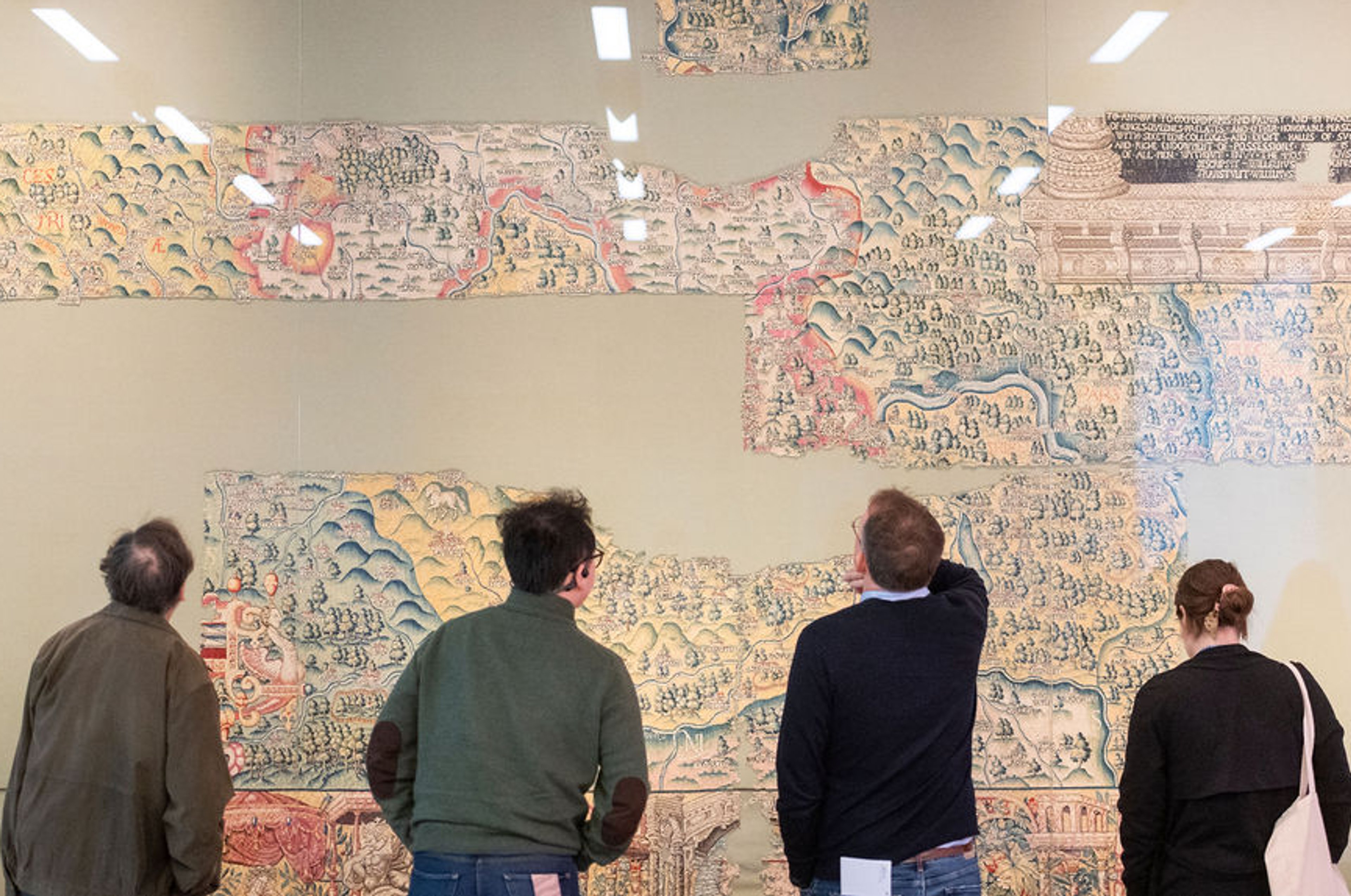
Night Maps is a major exhibition at the Warburg Institute in London open 21 October 2026 to 17 April 2027, exploring the styles and stakes of mapping the night sky.
Curated by Warburg Professor John Tresch in partnership with The Sunderland Collection, this exhibition traces the entangled histories of cosmic imagination and earthly power.
From medieval courts and cathedrals to moon landings and satellite surveillance, Night Maps reveals how depictions of the heavens have been made to serve rival systems on earth – and how these mythical flights continue to shape the worlds we share.

©Warburg Institute
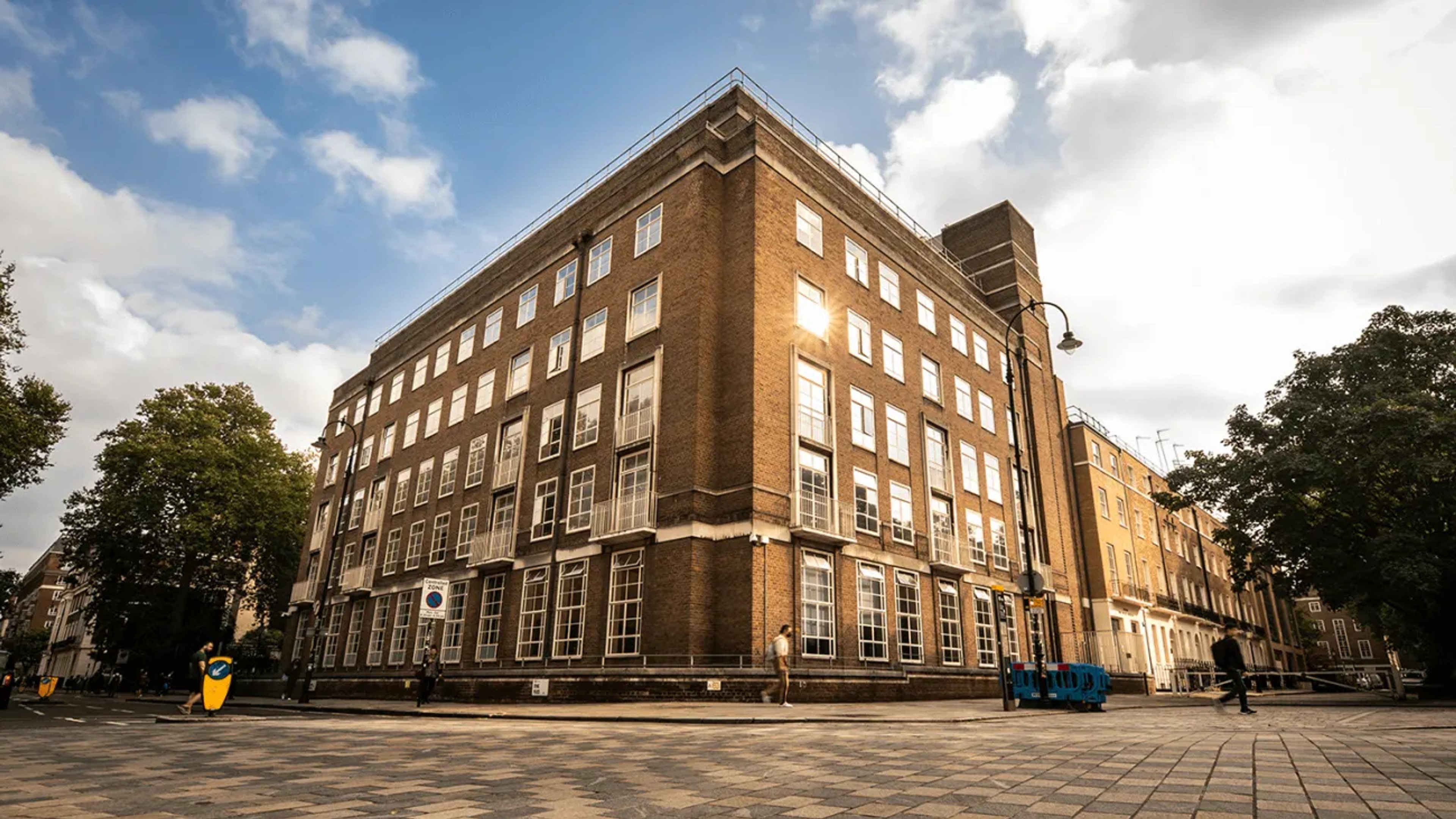
About The Warburg Institute
The Warburg Institute is one of the world’s leading centres for the study of art and culture. Its collections, courses and programmes are dedicated to the study of global cultural history and the role of images in society. Founded in Hamburg at the turn of the twentieth century by historian Aby Warburg (1866–1929), the Institute was established to trace the roots of the Renaissance in ancient civilisations and ended up changing the way we see the world around us.
The Warburg Institute owes its mission — and its very existence — to the open movement of people, collections and ideas. Sent into exile when the Nazis came to power, the Institute was transferred to England in 1933 and became part of the University of London in 1944. It has served, during a turbulent century, as a creative crucible for scholars, curators, artists and all those whose work sits outside traditional academic structures.
The Warburg’s unique Library, Archive and Photographic Collection form a holistic, associative engine for exploring the histories of the arts and sciences — linking the textual and the visual, the intellectual and the social, the scientific and the magical. Following an extensive renovation of the Institute’s building in Bloomsbury, new spaces for exhibitions and events have restored the Institute’s original emphasis on discovery, display and debate and are bringing its holdings and programmes to new audiences.
Building on Aby Warburg’s belief that the memory of the past activates the present, the Warburg examines the movement of culture across barriers — of time, space and discipline — to inspire, inform and connect.
Past Conferences Include:
Sign up to the Oculi Mundi Newsletter to be notified of future conferences and events: