Animesh Sinha
Series 4 Episode 3
Fighting the Robber of Youth with Dr. Animesh Sinha
Series 4 Episode 3
Available on all major podcast platforms: click the icons or hit 'play' to listen now.
In this episode, Jerry Brotton meets Dr. Animesh Sinha from Médecins Sans Frontières (MSF, or Doctors Without Borders). Animesh is an infectious diseases specialist who has spent his career caring for people in remote regions who live with HIV, tuberculosis (TB) and hepatitis.
Animesh is the principal investigator in the Zero TB Project where his team are using GIS data and maps to treat - and hopefully eradicate - the disease in a city called Kulob which is located in southern Tajikistan.
MSF is a humanitarian organisation providing critical medical care in more than 70 countries around the world. We hear about Animesh’s career as a medic in the Indian Army and his more recent experiences as an MSF doctor in South Sudan and Chechnya. We find out the essential role that mapping has in monitoring live cases and drug resistance, as well as how the MSF’s open-source ‘mapathons’ assist medical professionals and emergency services in healthcare delivery and disaster response.
To view the map while you listen, click the image below!
©Médecins Sans Frontières
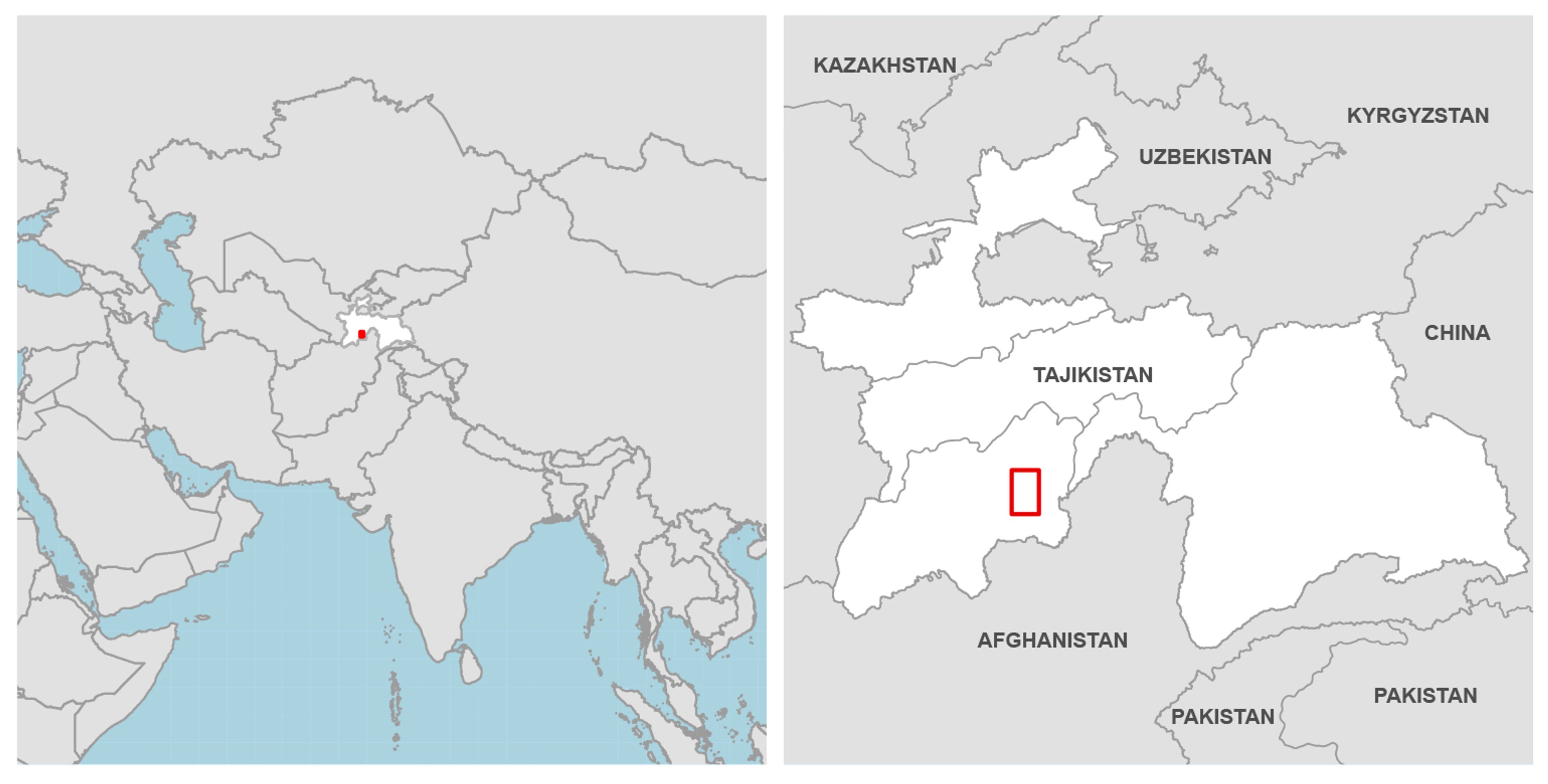
This map covers the rural city of Kulob in the Khatlon Region in southwestern Tajikistan. The city is surrounded by four jamoats, or village communes - Dahana, Kulob, Zarbdor, Ziraki and is situated southeast of the capital Dushanbe in a mountainous valley. The map uses a combination of publicly available data from MSF, Open Street Map, Geoportal (Tajikistan), and ESRI.
MSF has been involved in TB care in Tajikistan for many years. They have developed sustainable strategies in order to reduce and manage active cases in the region through targeted healthcare operations and community awareness programmes.
©Médecins Sans Frontières
Animesh's chosen map shows the region divided into healthcare catchment areas, each of which are colour-coded with shades of blue to illustrate the annual TB infection rate, per 100,000 people. The quantity of active cases between 2022-2024 are shown using purple circles.
In the upper left of the map, a chart illustrates the number of cases in each jamoat per 100,000 people. Kulob City is responsible for a staggering 180 ‘drug sensitive’ cases and 20 ‘drug resistant’ cases, in comparison to its surrounding jamoats which have much lower totals. Animesh describes the high incidence of TB in Kulob being partly attributed to the city's unfavourable socio-economic conditions.
Another chart in the lower right identifies how many cases by age and gender. Jerry is struck by the 21-30 age group being significantly more affected than the paediatric or older population. Animesh explains that despite this being an age where people are generally known to be more active and less prone to illness, he explains that the disease catches people in the ‘prime of their life’. For this reason, TB has been given the damning nickname the ‘robber of youth’.
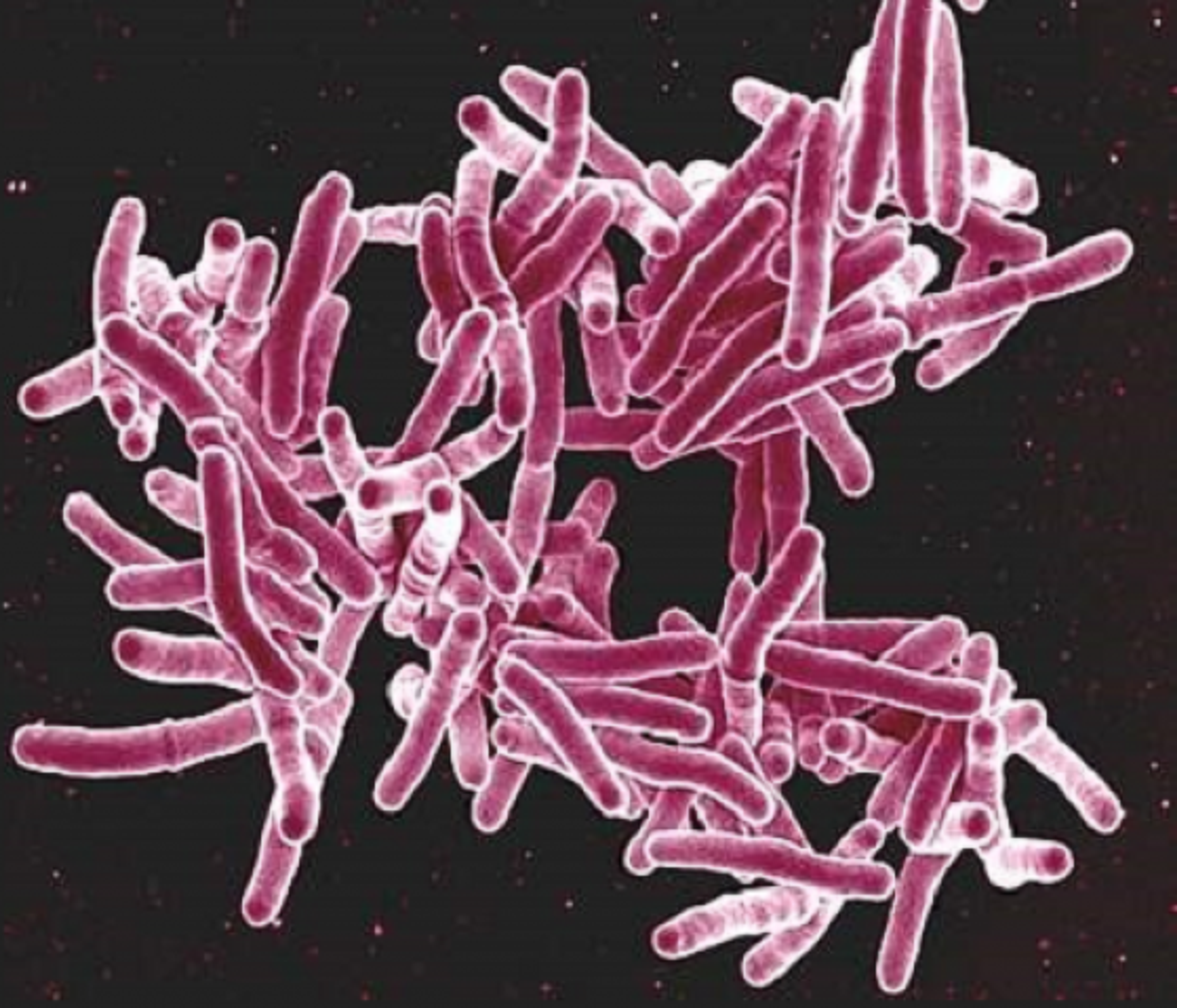
TB, or tuberculosis, is one of the world’s deadliest infectious diseases. It is caused by bacteria - Mycobacterium tuberculosis - that primarily affects the lungs, but it can also affect the brain, kidneys, bones, spine and skin. It is spread via airborne transmission (ie. coughing and sneezing in close proximity).
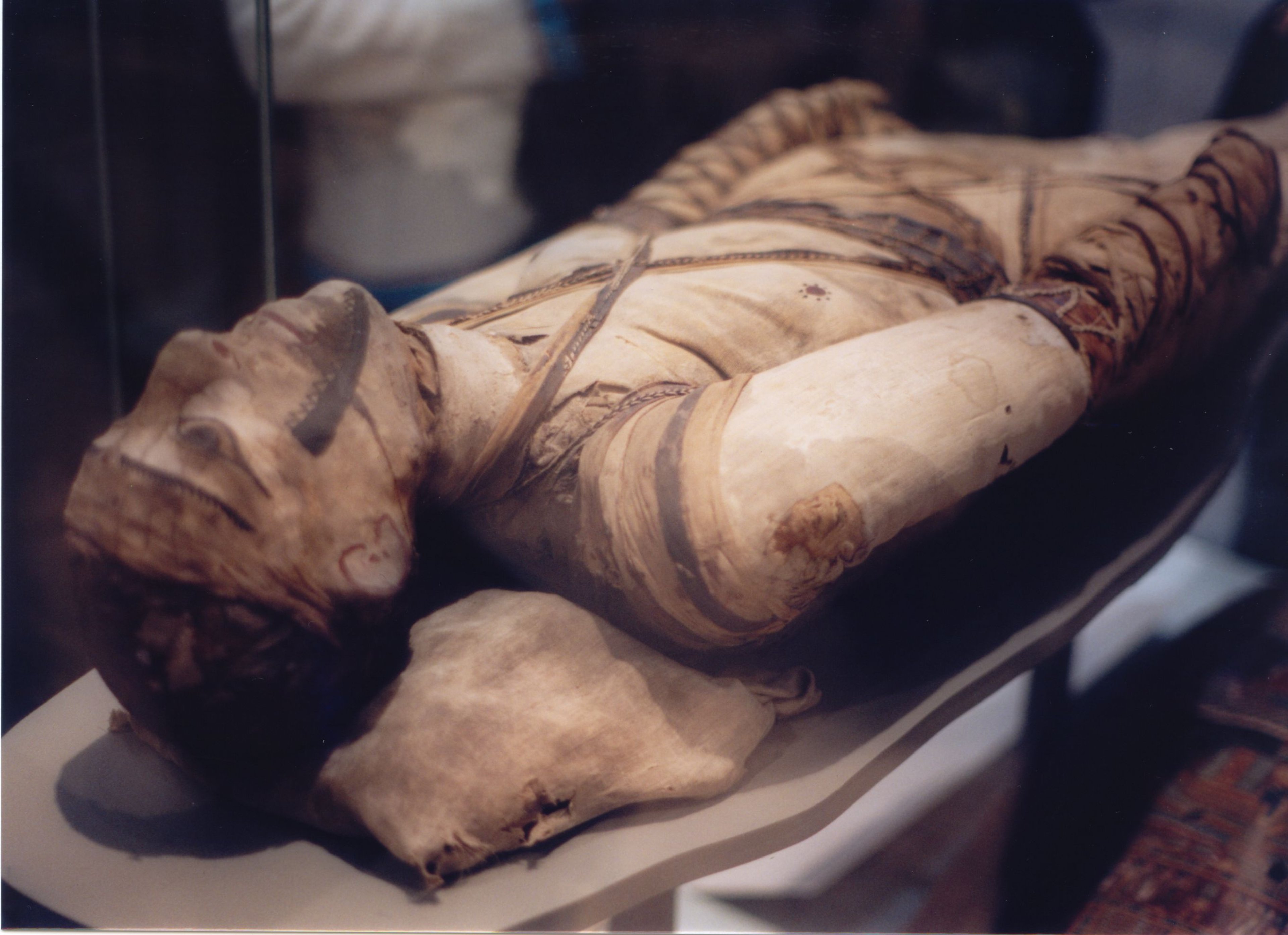
Egyptian Mummy in the British Museum collection where tubercular decay was found in the spine. CC BY-SA 3.0
Known as the ‘wasting disease’, archaeologists have found traces of TB dating back 9,000 years and even in the remains of ancient Egyptian Mummies.
The earliest written records of the illness date back to over 3,000 years in India, and 2,300 years ago in China. During the seventeenth to nineteenth centuries TB caused approximately one quarter of all deaths in Europe and the United States!
The disease disproportionately affects populations in lower- and middle-income countries. Despite being preventable and treatable through long-term courses of antibiotics, TB claims millions of lives around the world each year. The main reasons for this are inadequate or interrupted healthcare infrastructure, lack of access to effective treatment, delayed diagnosis, and stigma.
Initiatives to reduce TB are urgently needed to improve early detection, facilitate the roll out of resources, and ensure equitable access to healthcare. This not only saves lives but helps break the cycle of the illness, and works towards the goal of eradication.
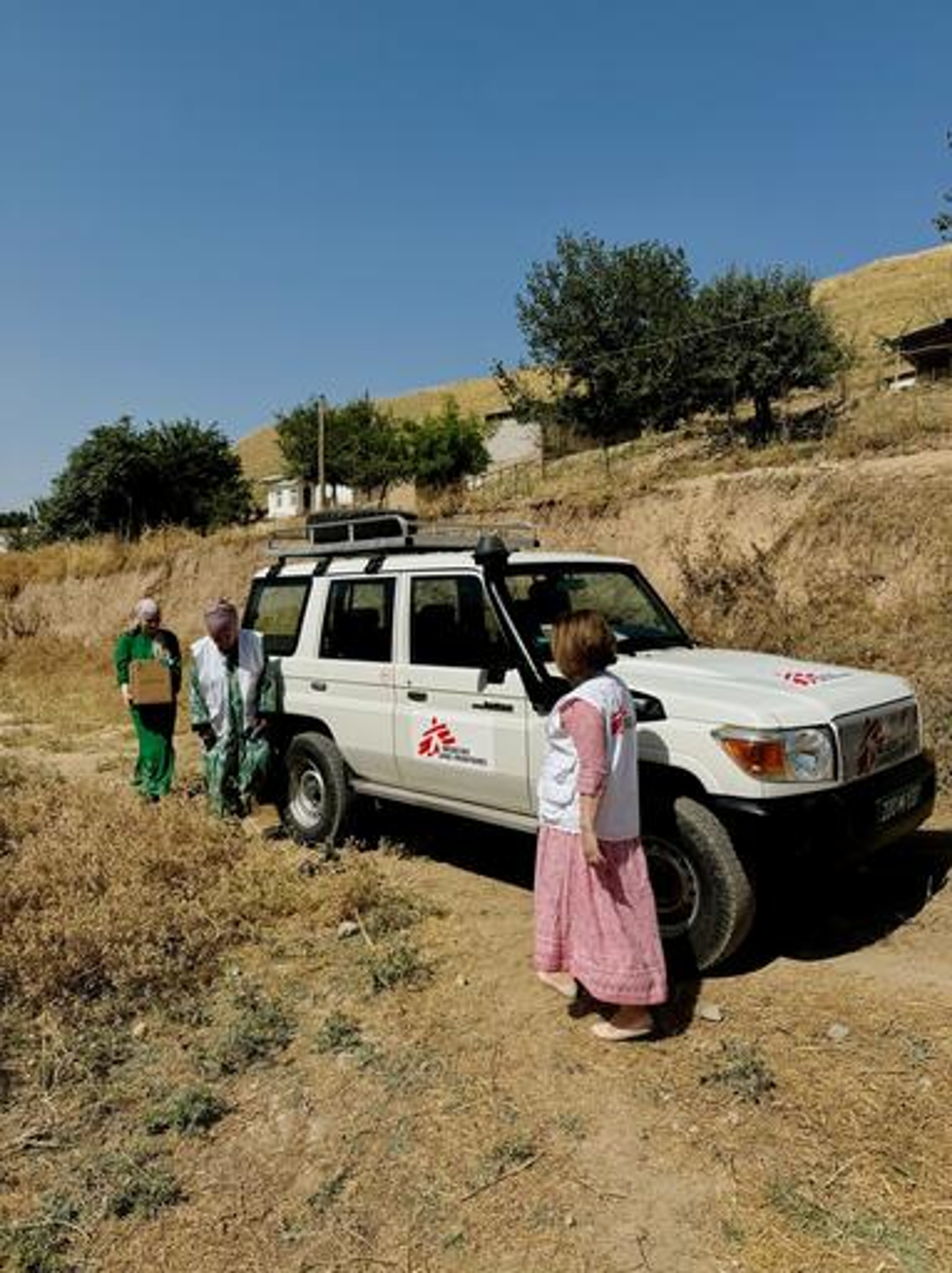
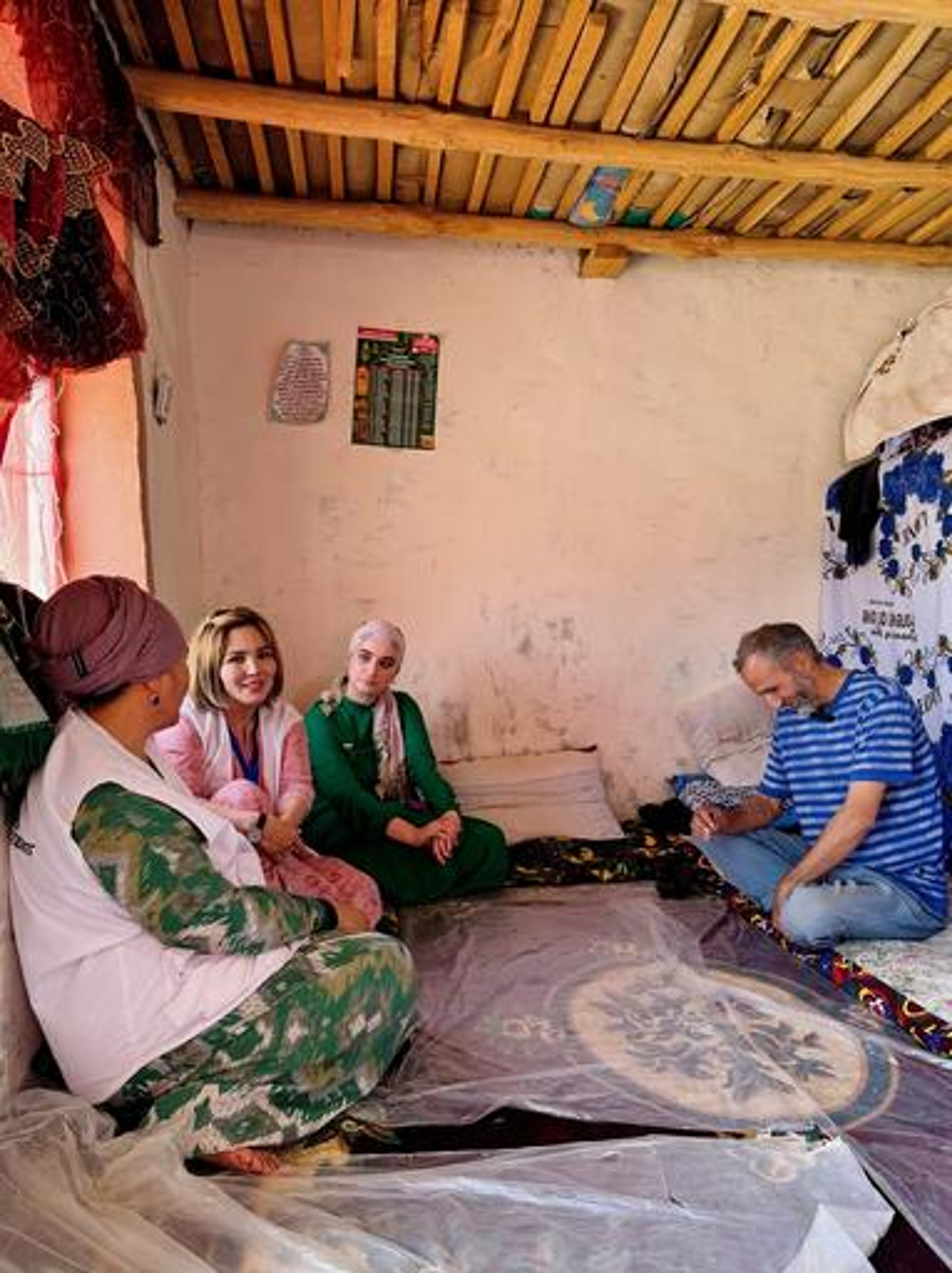
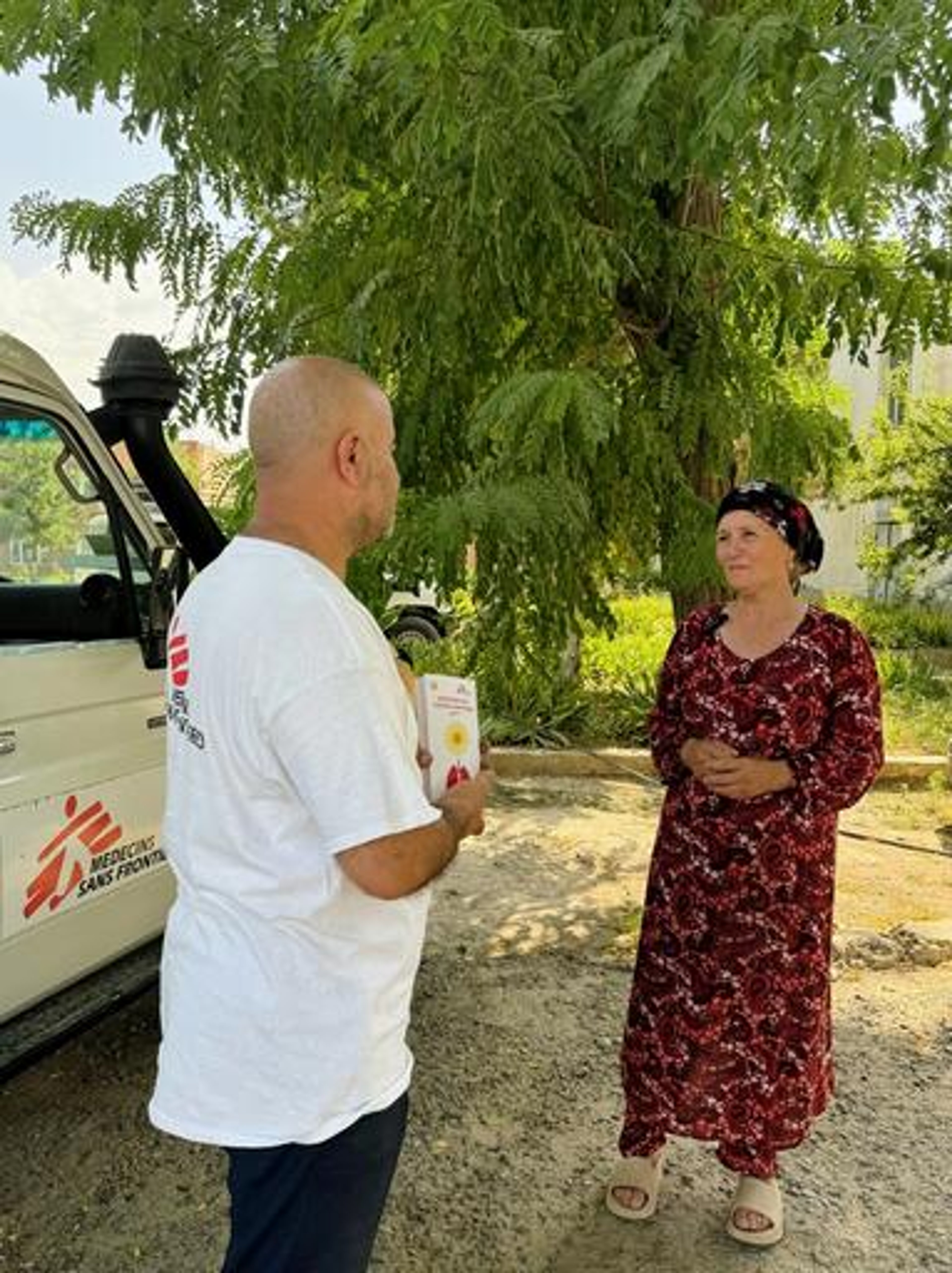
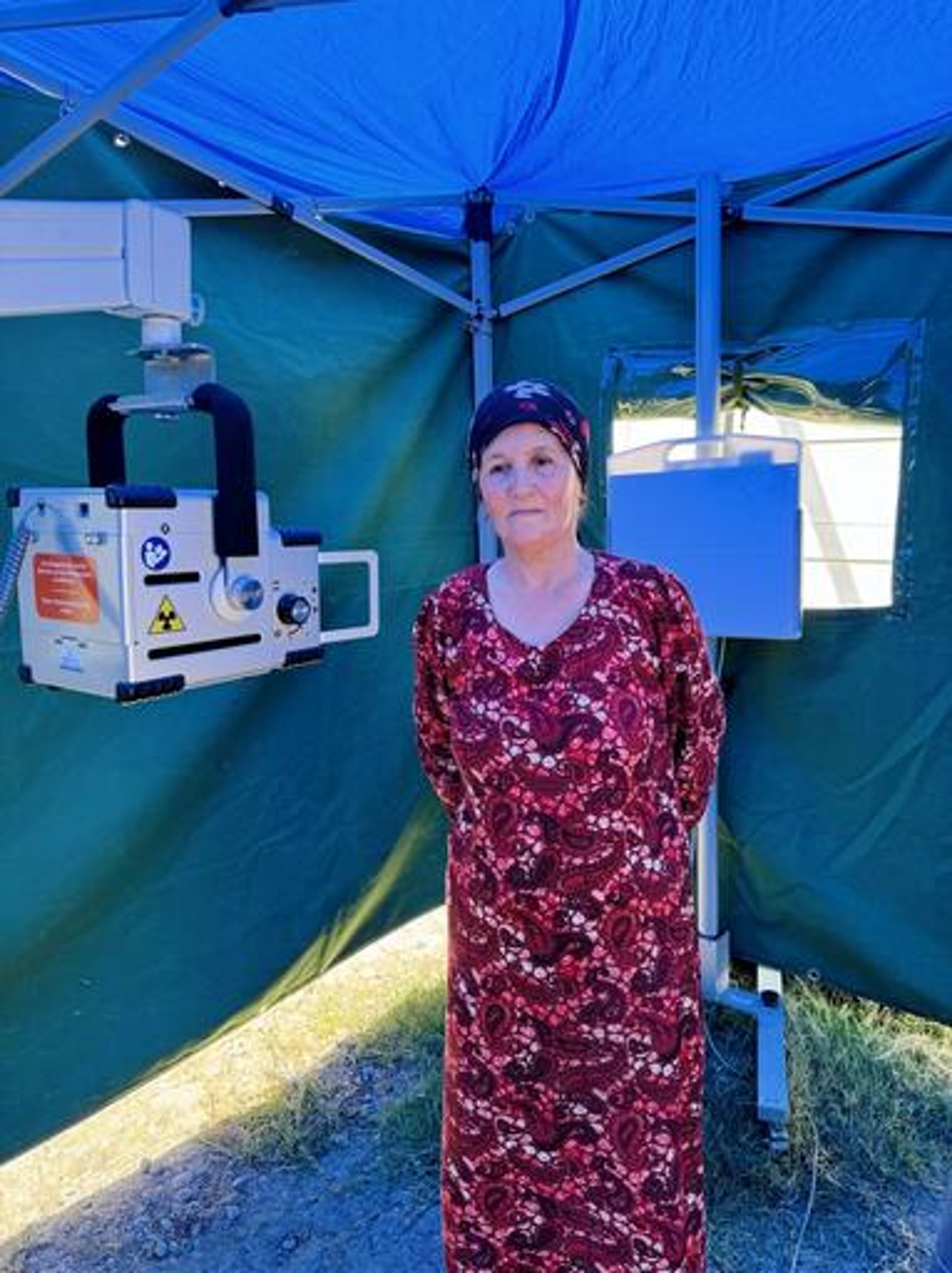
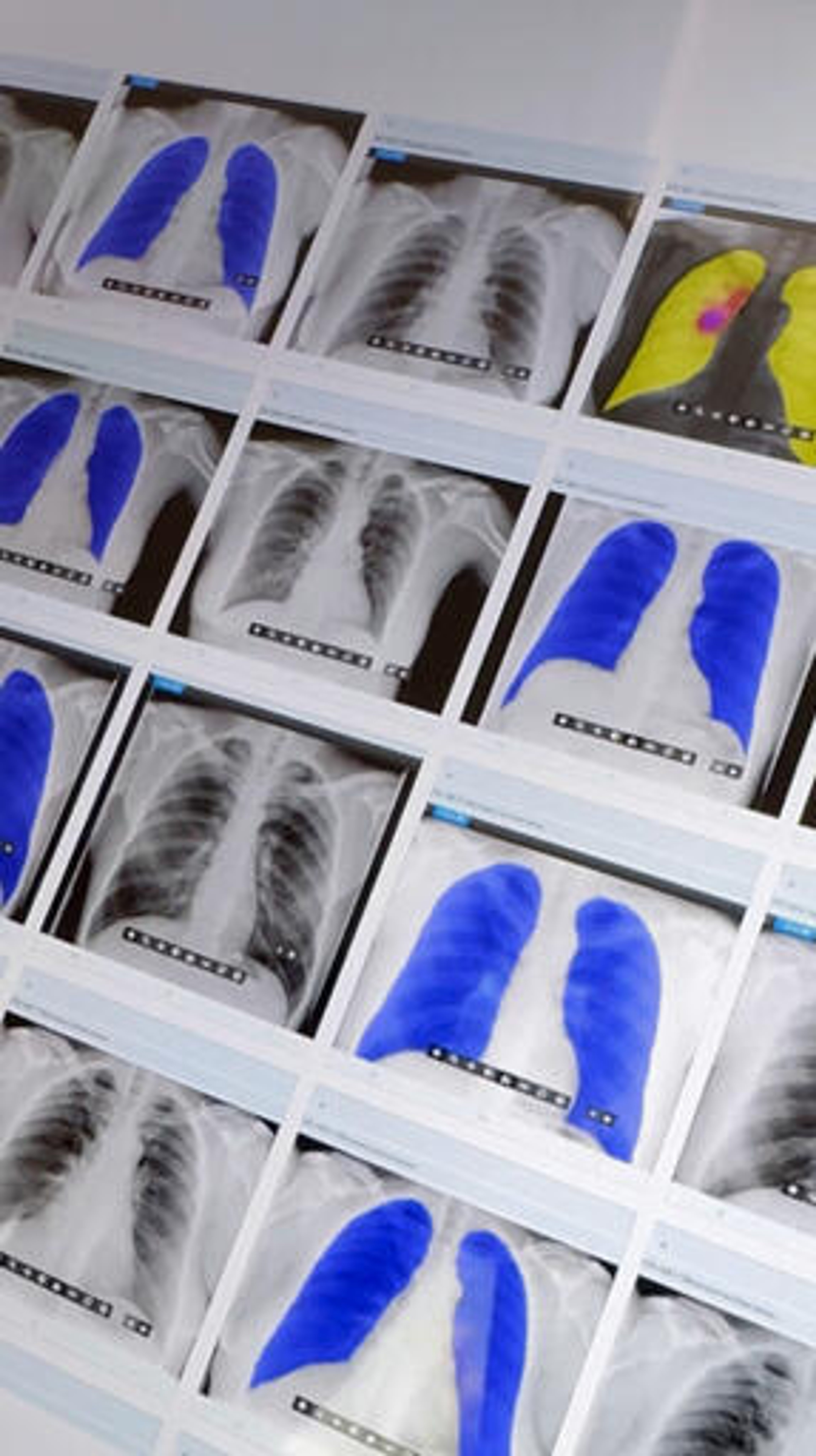
MSF Medics visiting TB patients in Tajikistan, July 2024. All images ©Natalia Chekotun/MSF
Animesh works with several of these public health initiatives, more recently, the Kulob Zero TB Project in Tajikistan. The project - run in close collaboration with Tajikistan's Ministry of Health and Social Protection of the Population (MoHSPP) - focuses its attention on "early detection, effective treatment, prevention and community engagement to reduce and tackle TB transmission and improve health outcomes." Through modern screening and diagnostic tools, MSF have been able to strengthen healthcare infrastructure in the regions they operate in, as well as spreading awareness to address vulnerabilities and pave the way for access to healthcare.
The decision to base the study in Kulob draws from several factors: the city allowed them to demonstrate the feasibility of eliminating TB in a contained geographical area. Its isolated location meant that they could monitor the population effectively as it does not dramatically increase or decrease.
From previous projects, MSF had existing infrastructure and personnel in Kulob, and strong relationships with the national tuberculosis programmes, all making it a suitable environment in which to test and deliver the project. The Zero TB Project serves as a case study for regions in a similar position around the world.
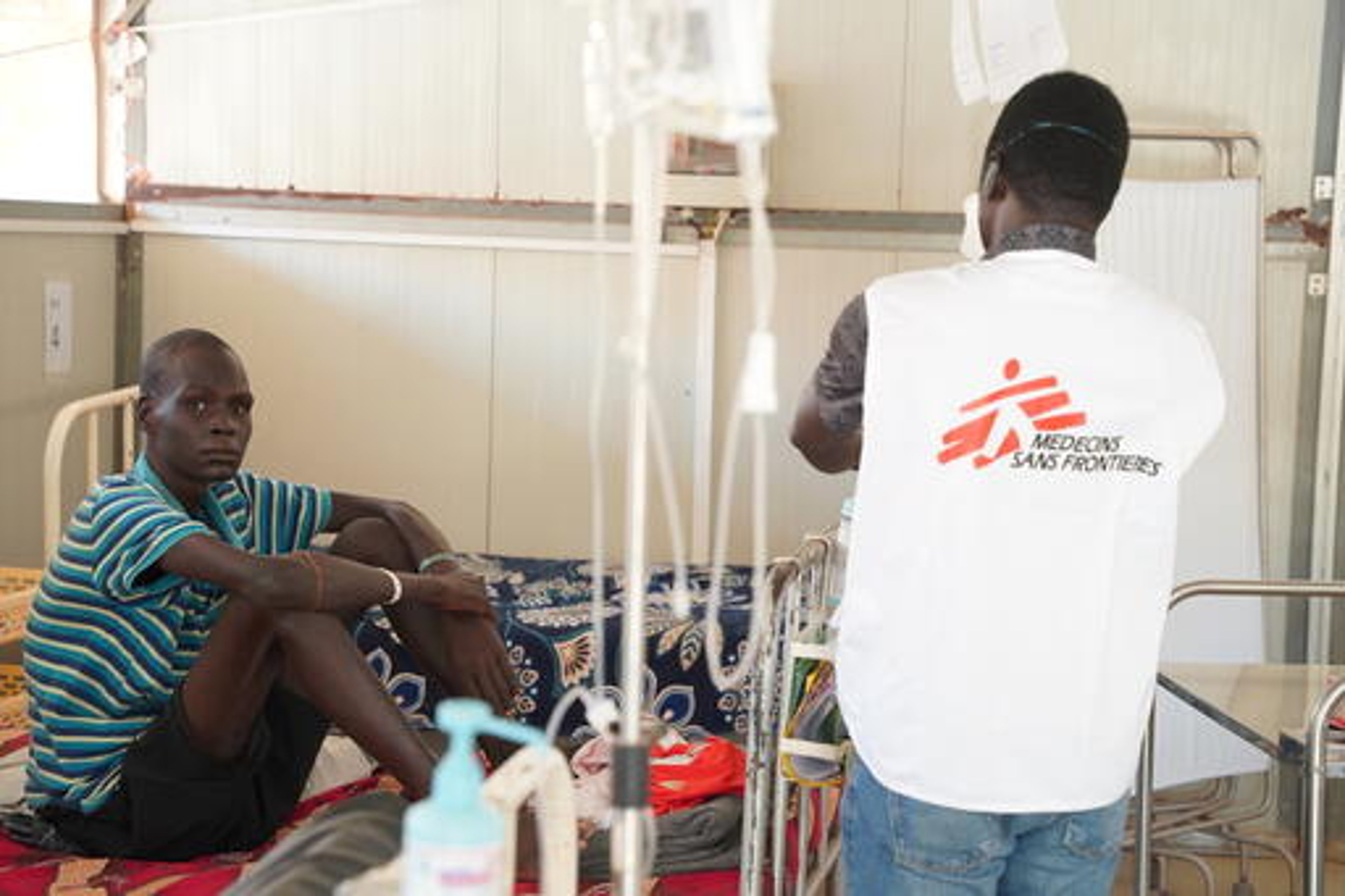
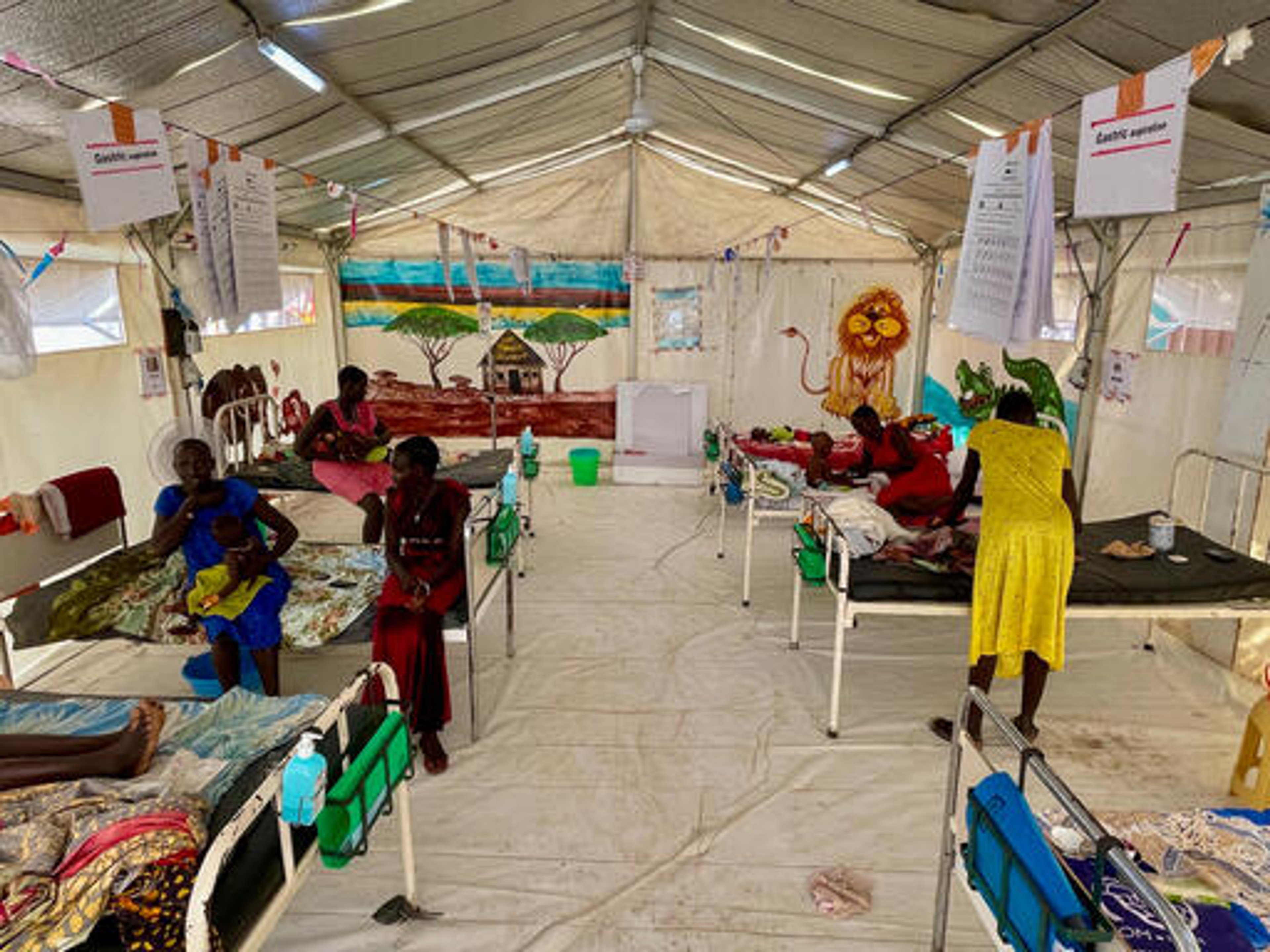
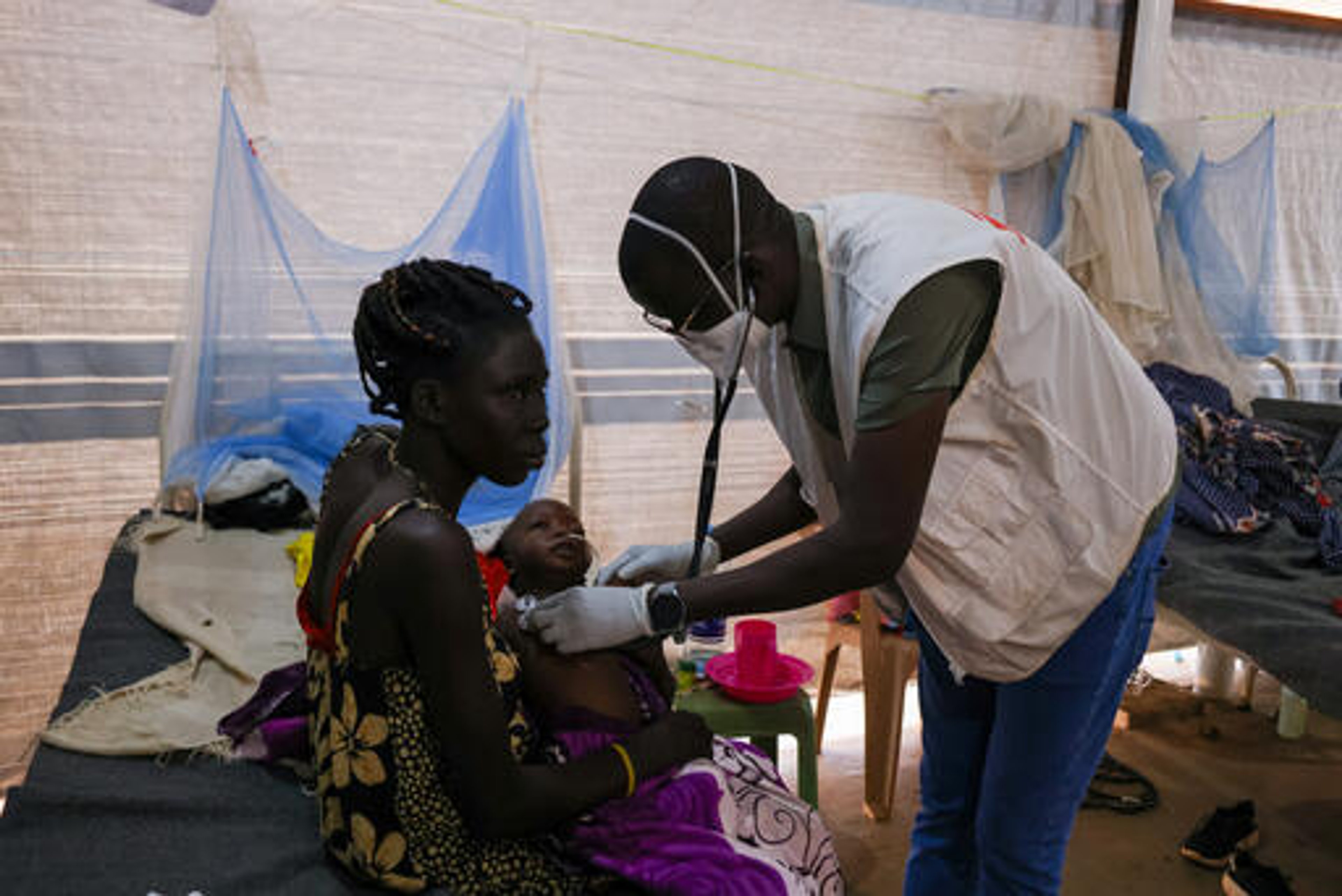
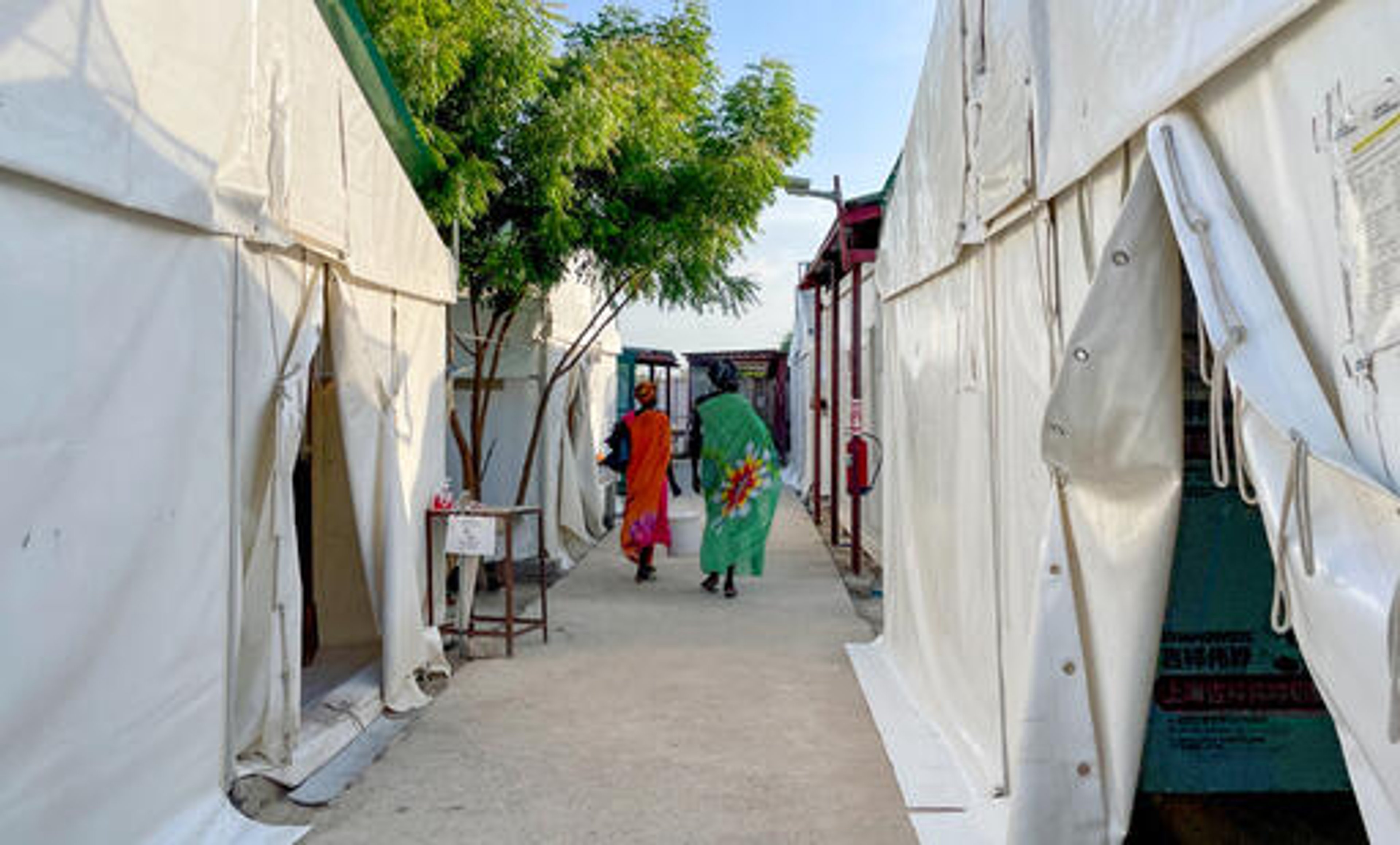
MSF Medics caring for TB patients in South Sudan, May 2024. Images ©Kristen Poels/MSF
One of the biggest challenges that Animesh and his colleagues face is that they can only support approximately two thirds of those living with TB. Sadly one third of any population affected by tuberculosis will remain undiagnosed and untreated, thus continuing the chain of transmission and infection. Additionally, the tests used to diagnose the disease are not readily available all over the world, limiting how many people can actually be diagnosed.
To complicate matters, there are different strains of TB which do not affect the lungs, called extrapulmonary tuberculosis. In order to diagnose these variations, biopsies and samples from organs such as the liver or kidneys are required - which in more remote or rural regions can be extremely difficult.
Animesh also explains that differing age groups - such as those in the paediatric category - exhibit inconsistent symptoms and levels of infection in comparison to adults, making diagnoses all the more trickier.
Lushagala IDP (internally displaced person) camp. Time-lapse of buildings added by Missing Maps volunteers to OpenStreetMap from March 30, 2023, to April 2, 2023 ©MSF Missing Maps
As part of the Kulob Zero TB Project and other similar initiatives, MSF utilises GIS - or Geographical Information Systems - to create and populate maps like Animesh’s chosen map for this episode. This allows them to track TB hotspots, risk factors and monitor trends. It also helps for the planning of logistics, whether its getting personnel and equipment into position, or the delivery of medication to the patient.
GIS is a scientific field that uses data to represent and understand the world in terms of space and location. It analyses spatial information to generate specialised maps and insights that help MSF respond to an epidemic or emergency. Missing information can cause delays in urgent care and resources reaching the people who need it the most, and in areas hit by healthcare epidemics, war or natural disasters, this can be the difference between life and death.
In a modern world where most would assume there is a map of everywhere, it may come across as a surprise, but the MSF works in many places where map data is incomplete or missing entirely!
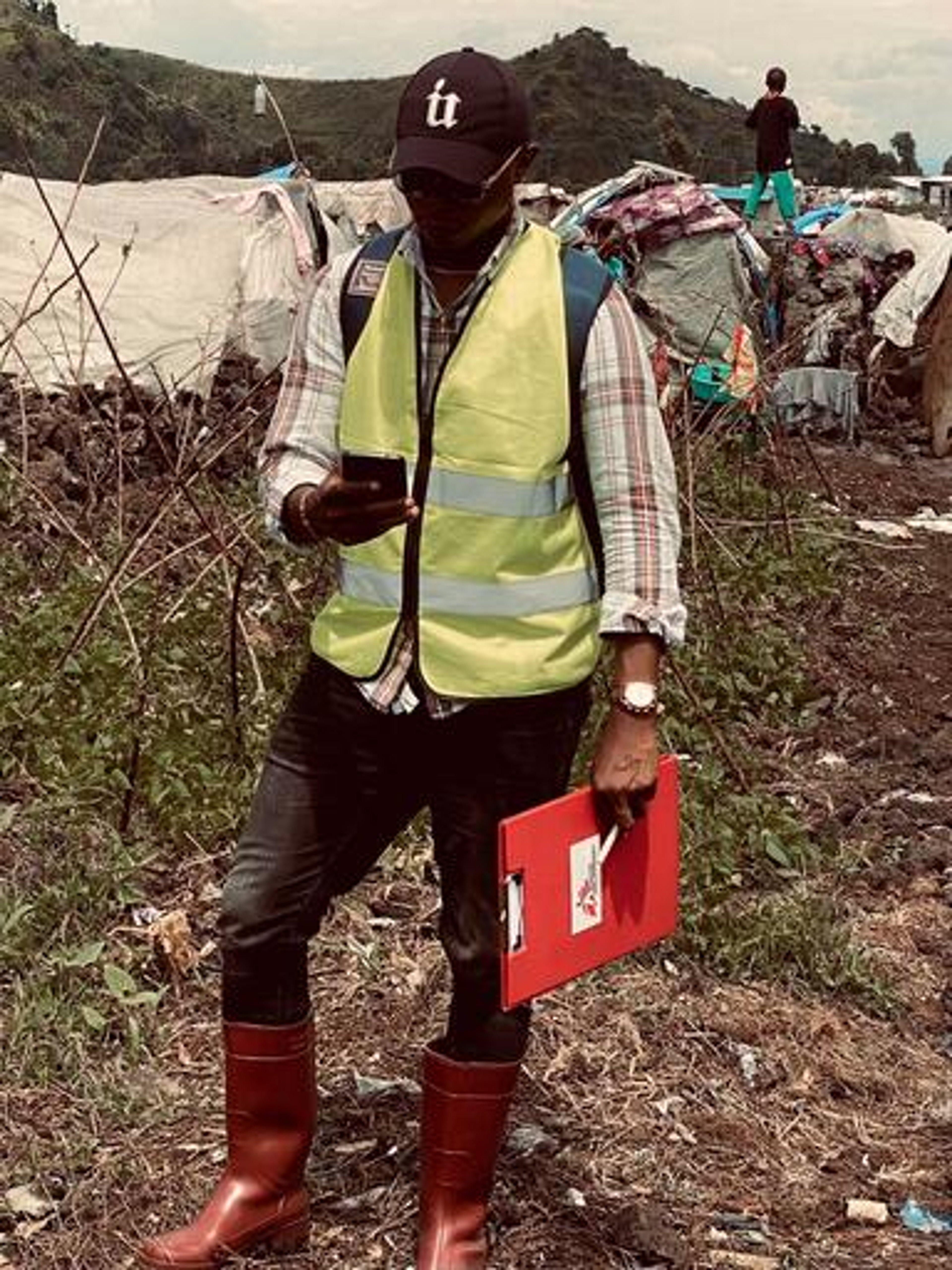
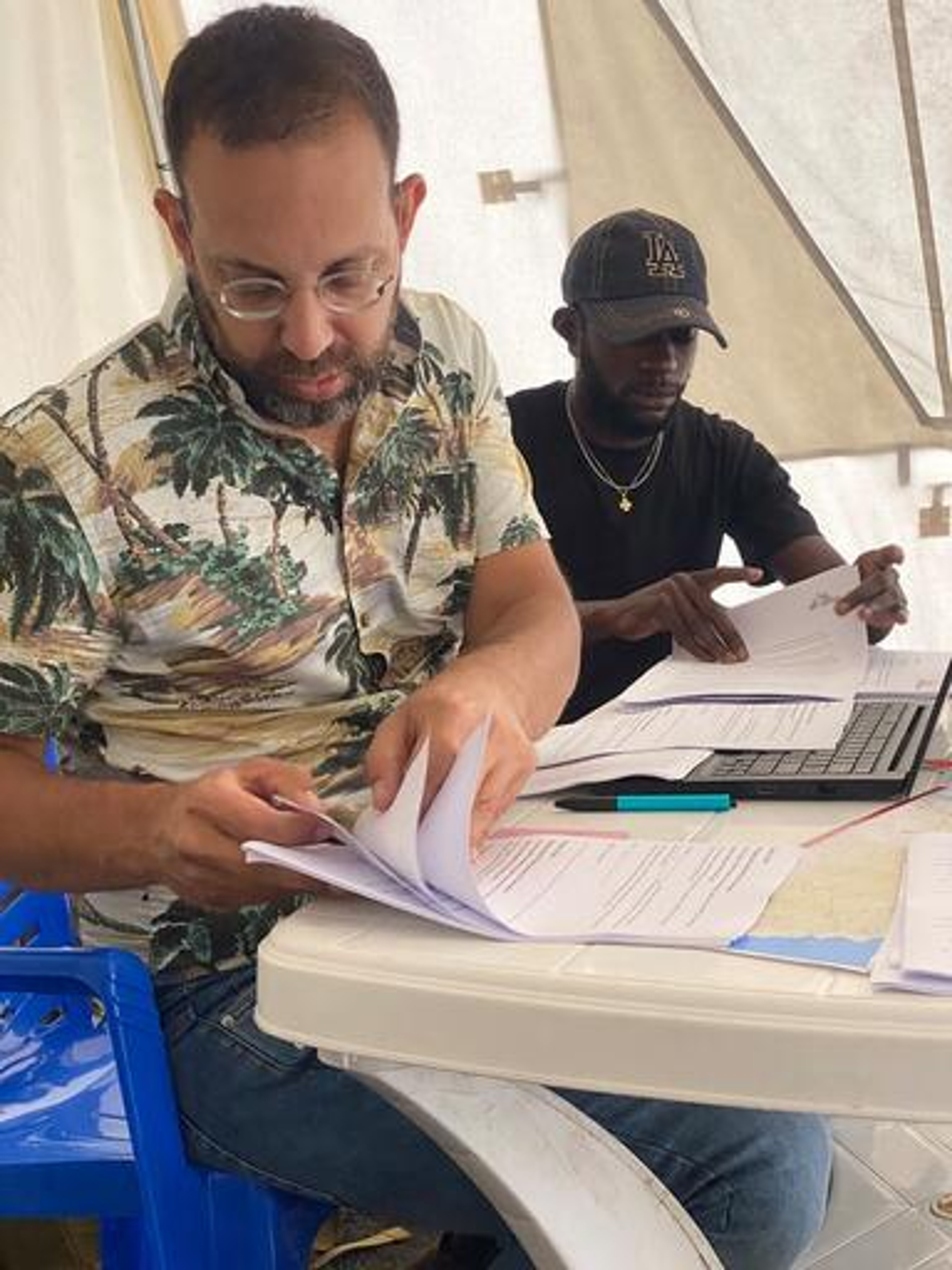
A field surveyor (left) and Public Health Data Analyst, George Karanapagos (right) coordinating a field survey in the Democratic Republic of Congo, April 2023 ©MSF
Missing Maps is an incredible project used to help MSF obtain and create the maps of these unmapped areas. It is a collaborative humanitarian mapping initiative launched in 2014 by MSF, The Red Cross, and the Humanitarian Open Street Map Team, as well as other members.
The main goal of Missing Maps is to putting the world's vulnerable communities on the map. This is achieved by groups of volunteers tracing satellite imagery into OpenStreetMap and pinpointing the locations of settlements, access, street names, help and evacuation centres, and more. The MSF teams in the field then consult these maps to confirm and update this data. Humanitarian organisations can then use and add to these maps to manage healthcare emergencies and disaster response.
Sometimes the maps required cover vast areas and cannot be mapped by small teams, so 'mapathons' are organised. Mapathons are often carried out by volunteer groups and individuals all over the world. Through their work Missing Maps has amassed a whopping 184,699 volunteer contributors, who have been able to map 65,272,542 buildings and 1,182,791kms of road and counting!
Click here to find out how you can contribute to Missing Maps, and sign up to be notified of upcoming mapathons.
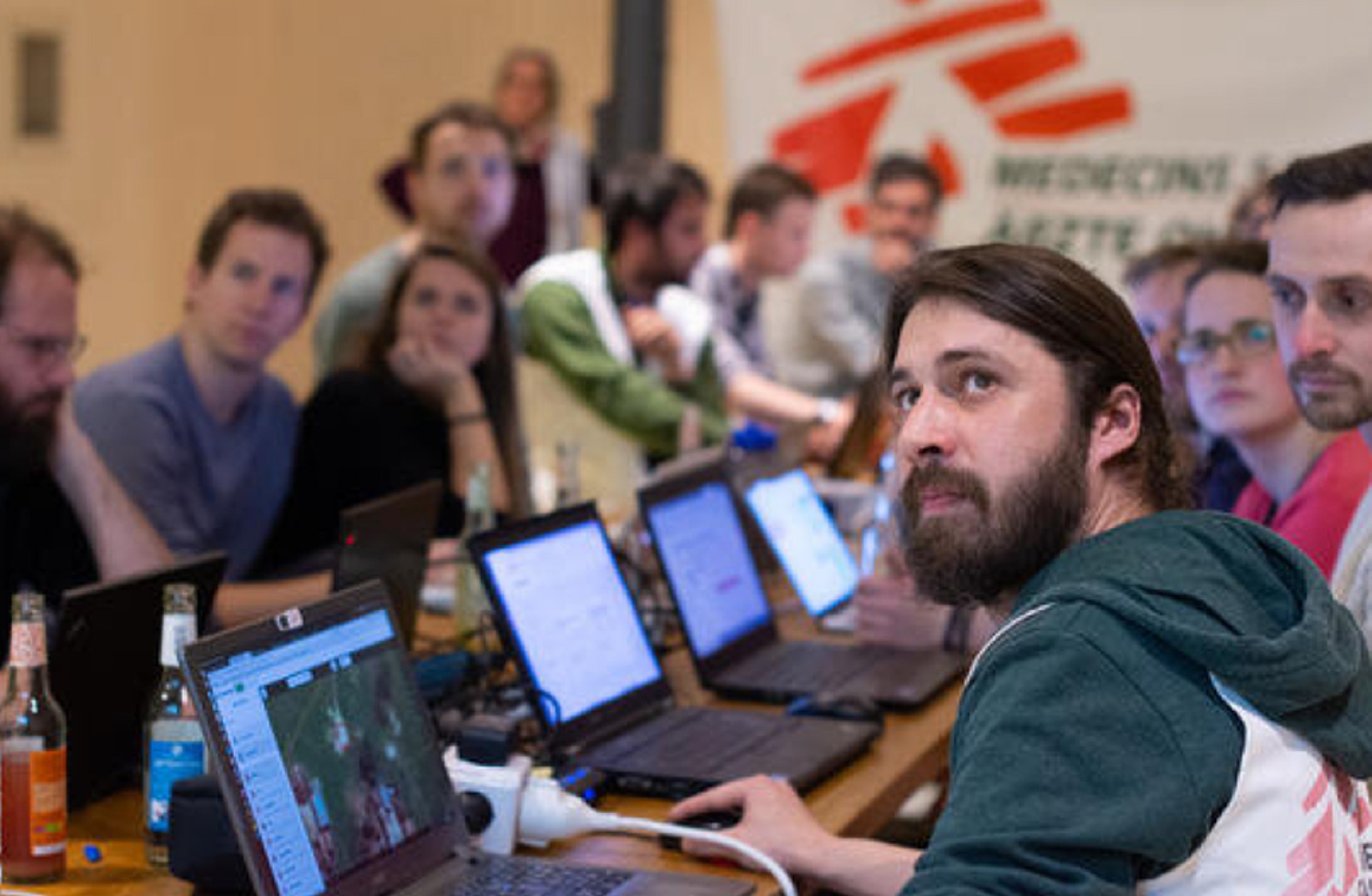
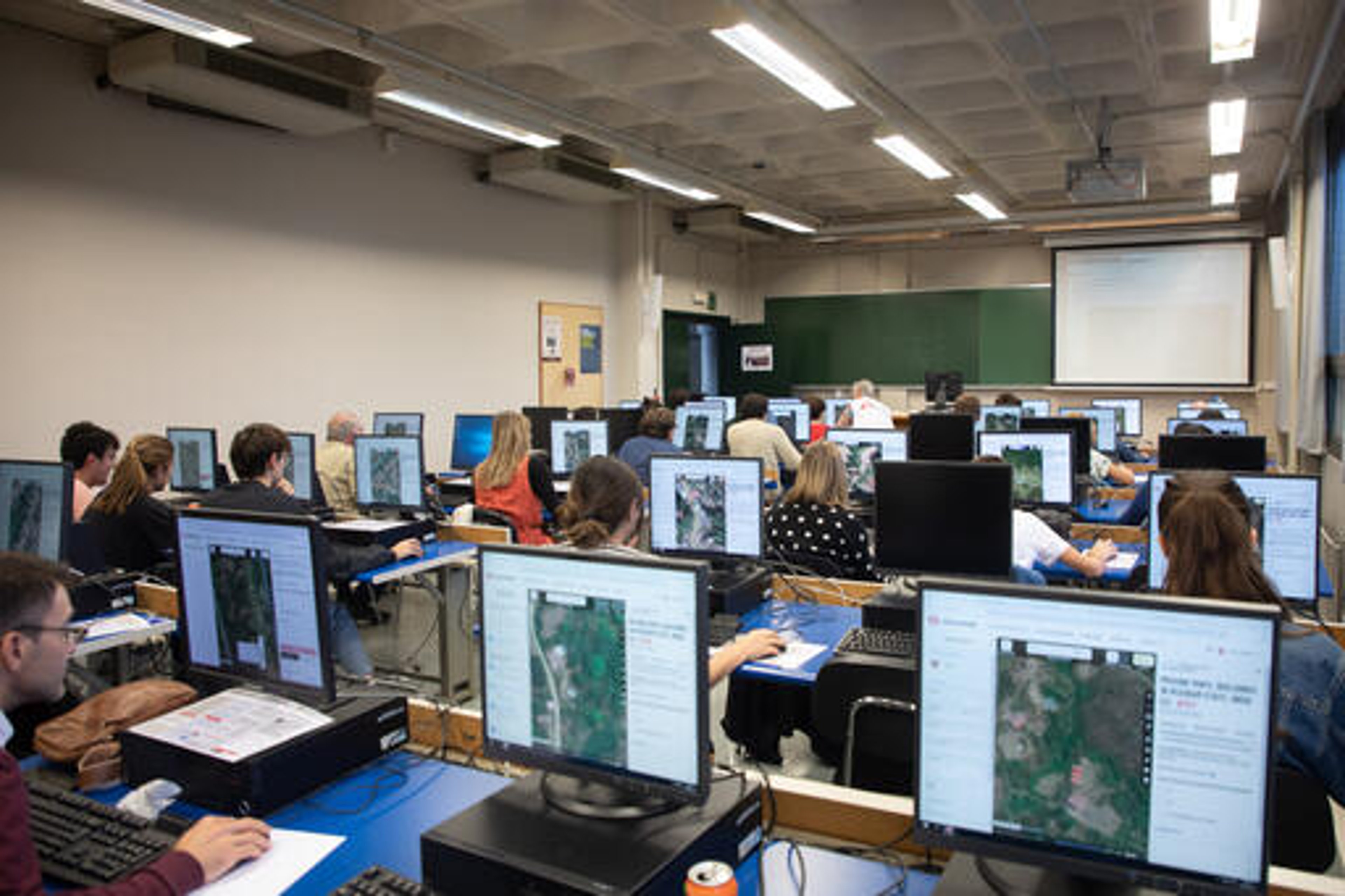
Mapathons in Germany (2019) in Spain (2022) ©Barbara Sigge/MSF
About Animesh Sinha
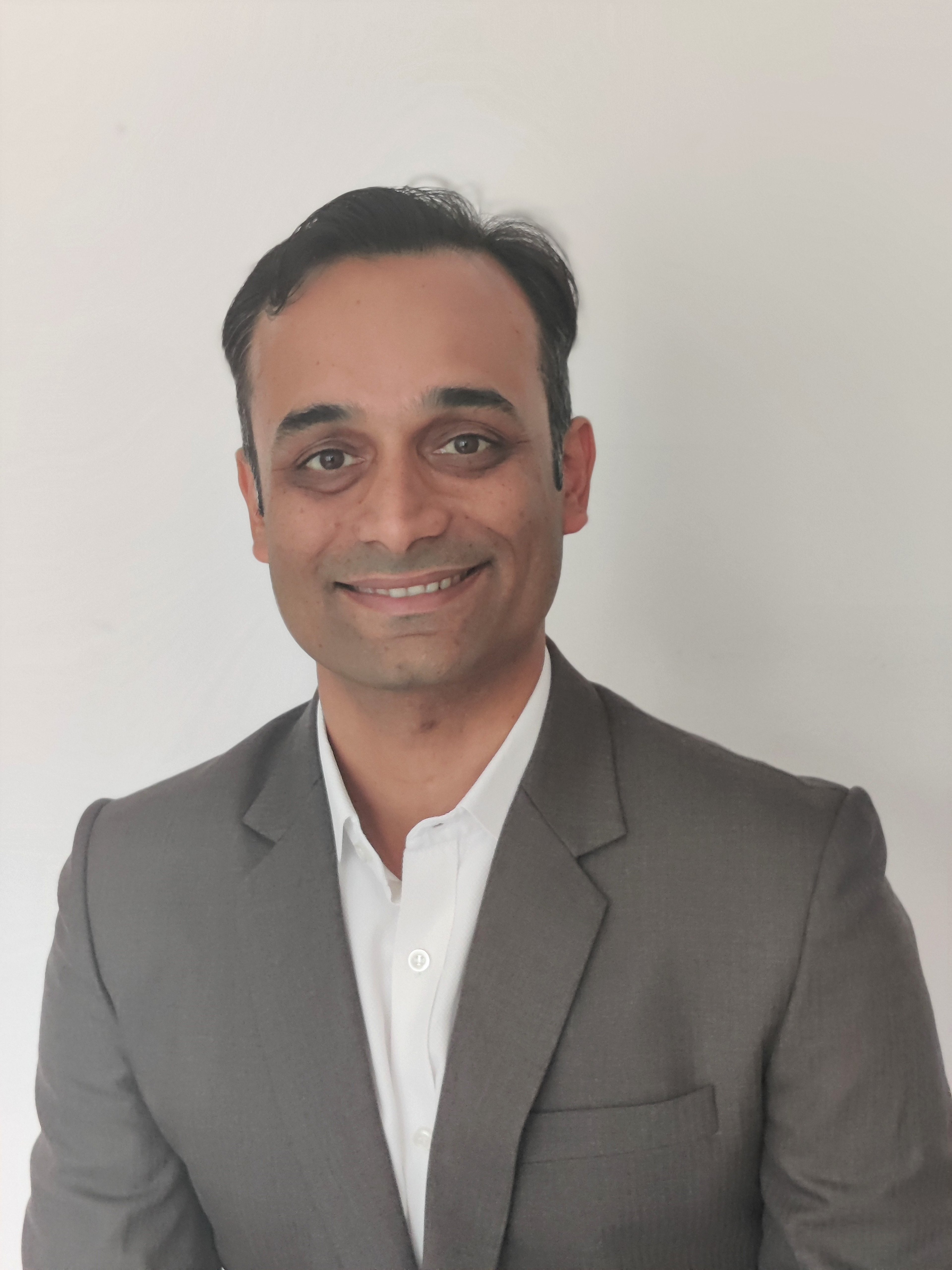
Image courtesy of Dr. Animesh Sinha
Dr Animesh Sinha is an HIV, tuberculousis and hepatitis advisor for Médecins Sans Frontières (MSF).
In 2011, after serving as a medic and surgeon in the Indian Army, mostly working at civilian camps in rural parts of the country, he joined MSF. Animesh first worked in Lankian, South Sudan, performing minor surgery on those affected by conflict and caring for infants and toddlers with severe acute malnutrition. Though "not initially interested in TB", he noticed a pattern of the malnourished children eventually being diagnosed with the disease. Seeing the life-saving impact of his treatments on the children as they recovered, his perspective changed his drive to work in the field.
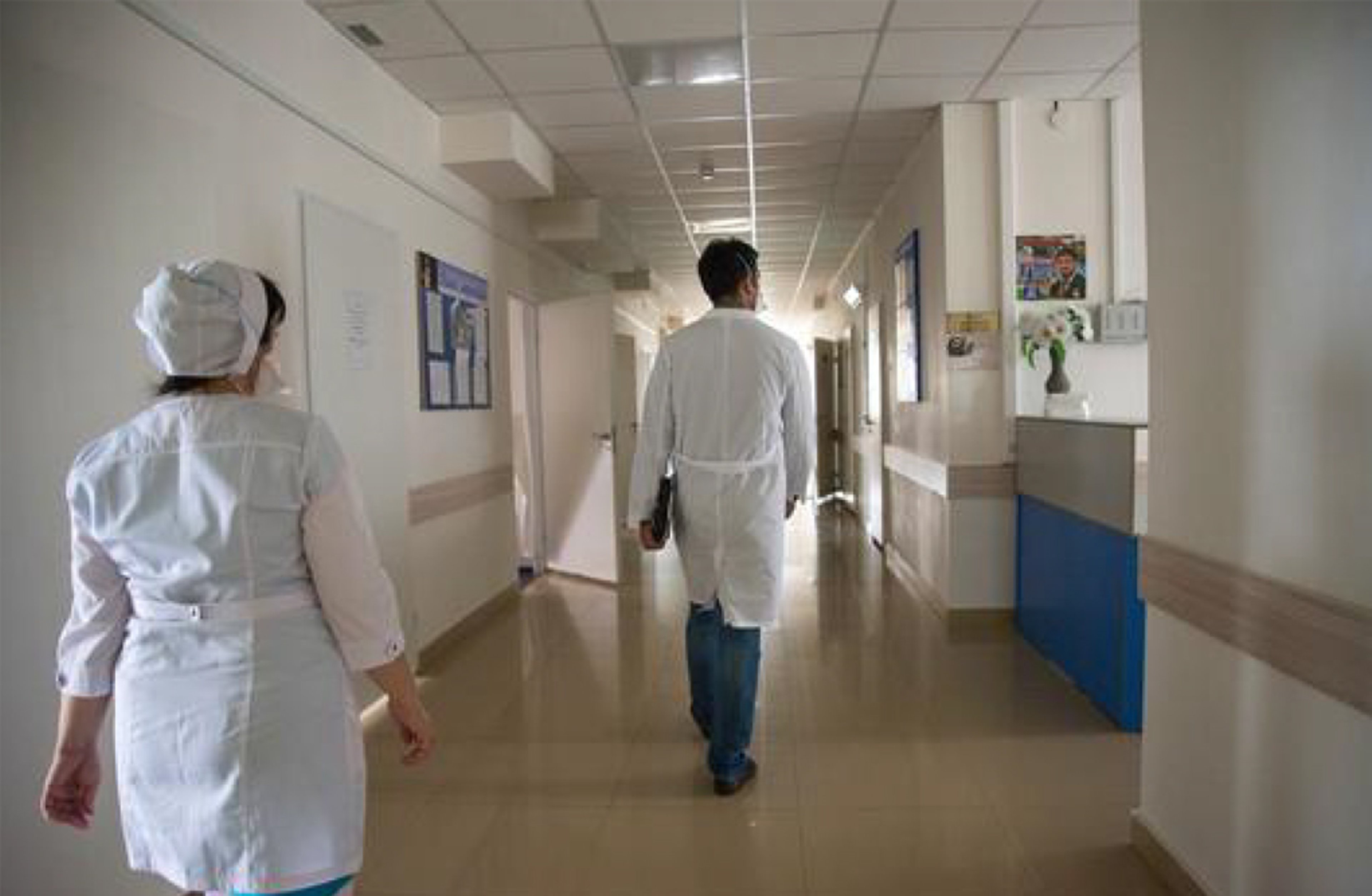
©Lana Abramova/MSF
In 2013, Animesh was posted to post-conflict Chechnya to work on a drug-resistant TB program. War disrupted all elements of treatment, diagnosis, and healthcare in the area, but in 2014 he witnessed a critical turning point: the introduction of bedaquiline, a new drug that revolutionised TB treatment which replaced 60-year-old antibiotics and offering renewed hope to patients.
His research interest includes TB elimination and evolving drug resistance. He is the Research Lead at UK Academics and Professionals to end TB. He has worked in South Sudan, Russia, Belarus, Uzbekistan and Tajikistan and in the TB-PRACTECAL clinical trial.
He is part of BETTER Project (Building Experience to Treat TB with Expanded Resistance) sharing clinical experiences in providing care for people with strains of TB that have resistance to new TB drugs. He is currently involved in the global roll-out of 6-month MDR-TB treatment regimens.
You can read Animesh's research papers on ResearchGate and also on Animesh Sinha (0000-0003-3213-7813) - ORCID.
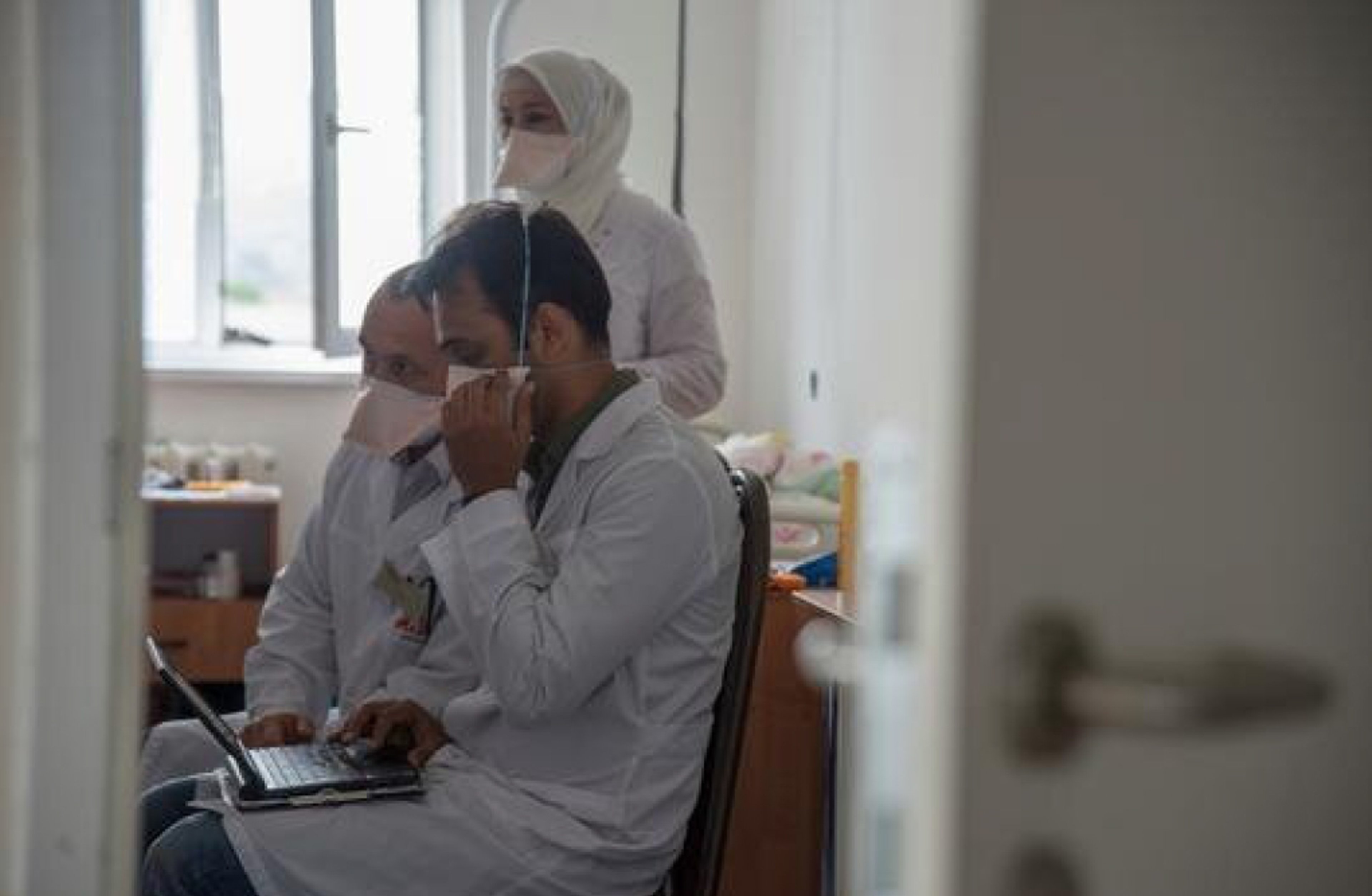
©Lana Abramova/MSF
About Médecins Sans Frontières
MSF are an international, independent medical humanitarian organisation that provide medical assistance to people affected by conflict, epidemics, disasters, or exclusion from healthcare.
Their teams are made up of tens of thousands of health professionals, logistic and administrative staff - most of them hired locally. Their actions are guided by medical ethics and the principles of impartiality, independence and neutrality.
Find out more and support their mission by visiting MSF.org
Why not continue your exploration of the wonderful world of maps by subscribing to the podcast? That way you will never miss an episode.
Feel free to let us know - What's YOUR Map?!
All views and opinions expressed by guests on the podcast are entirely their own and do not represent those of The Sunderland Collection or Whistledown Productions.