Exhibitions
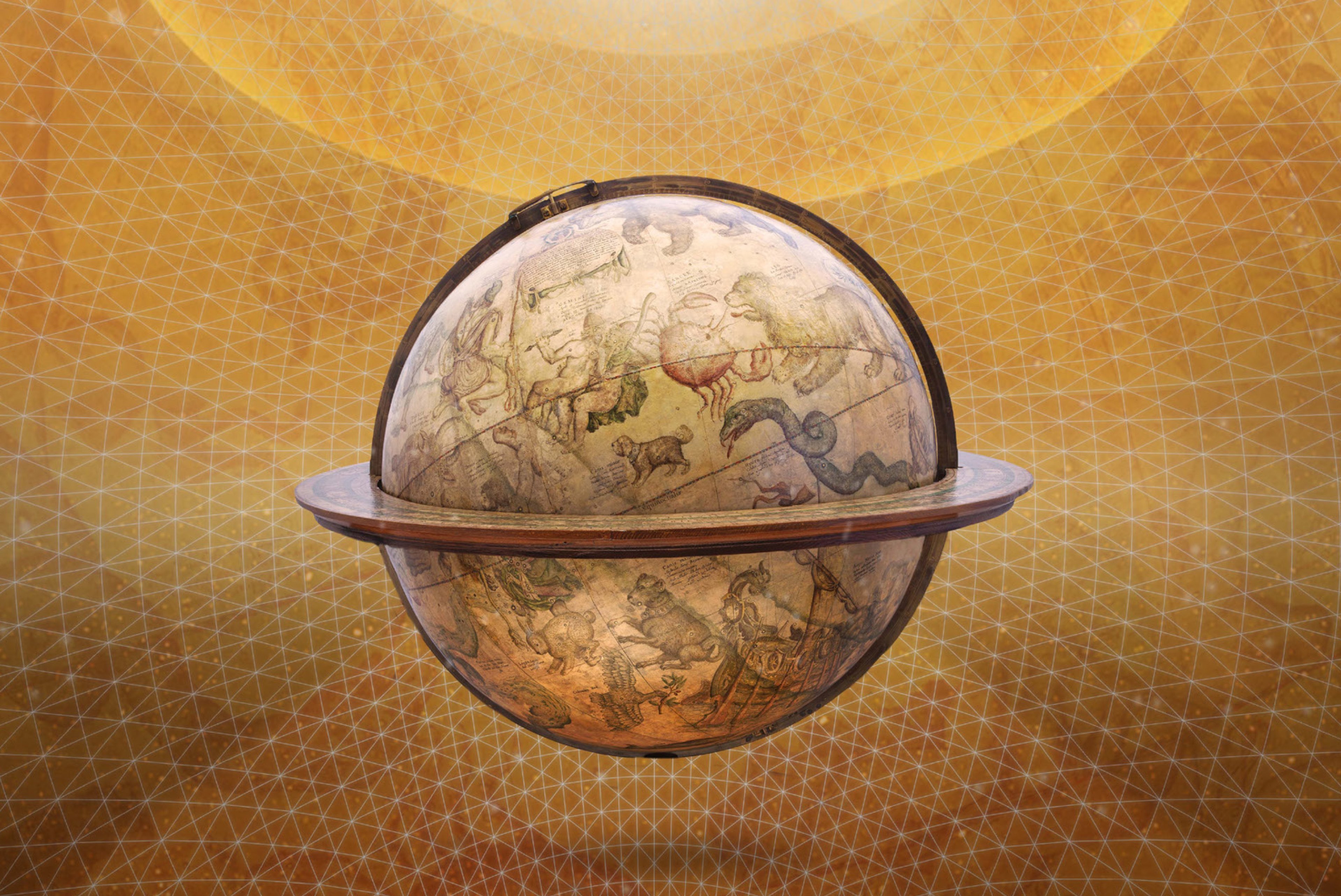
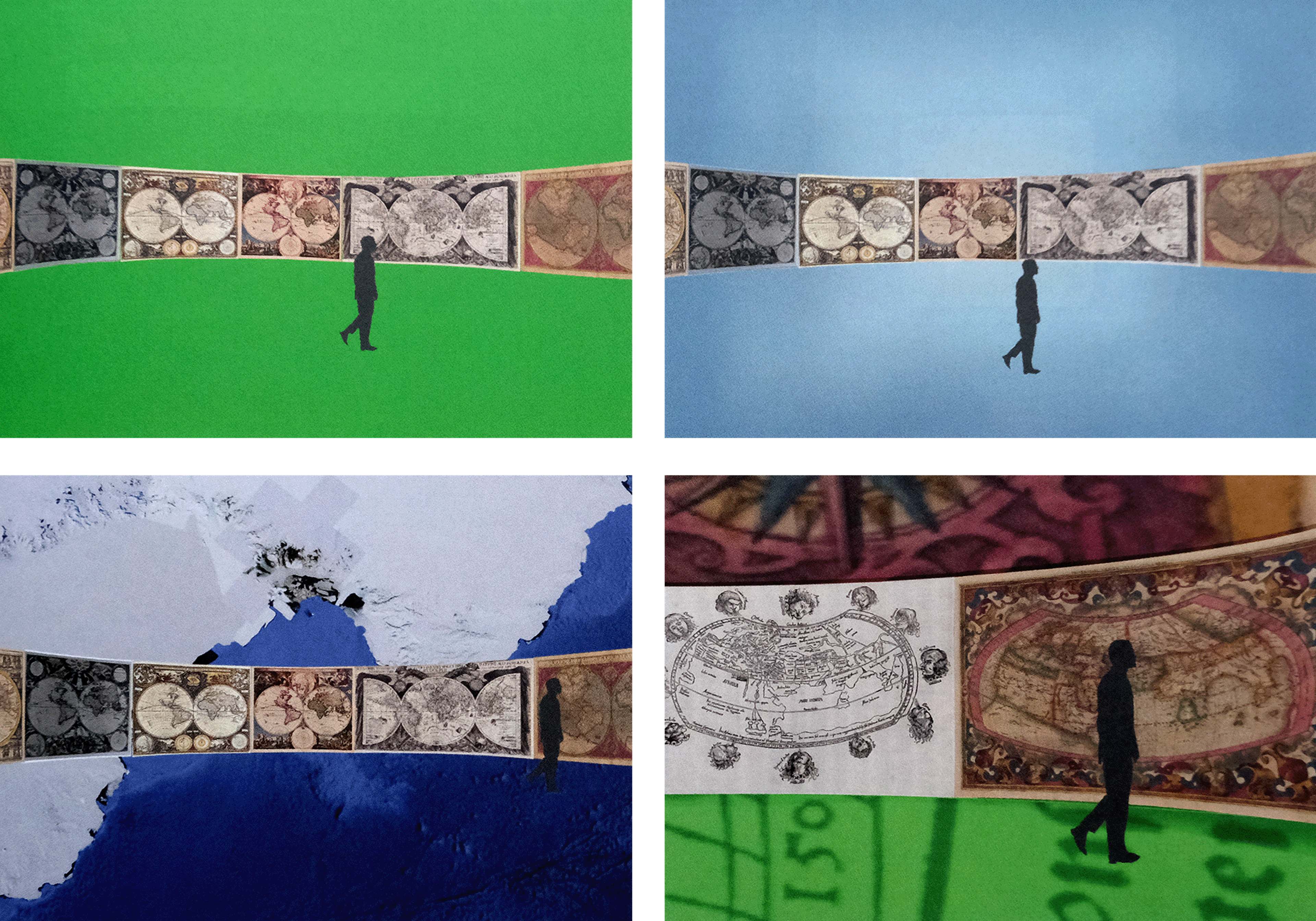
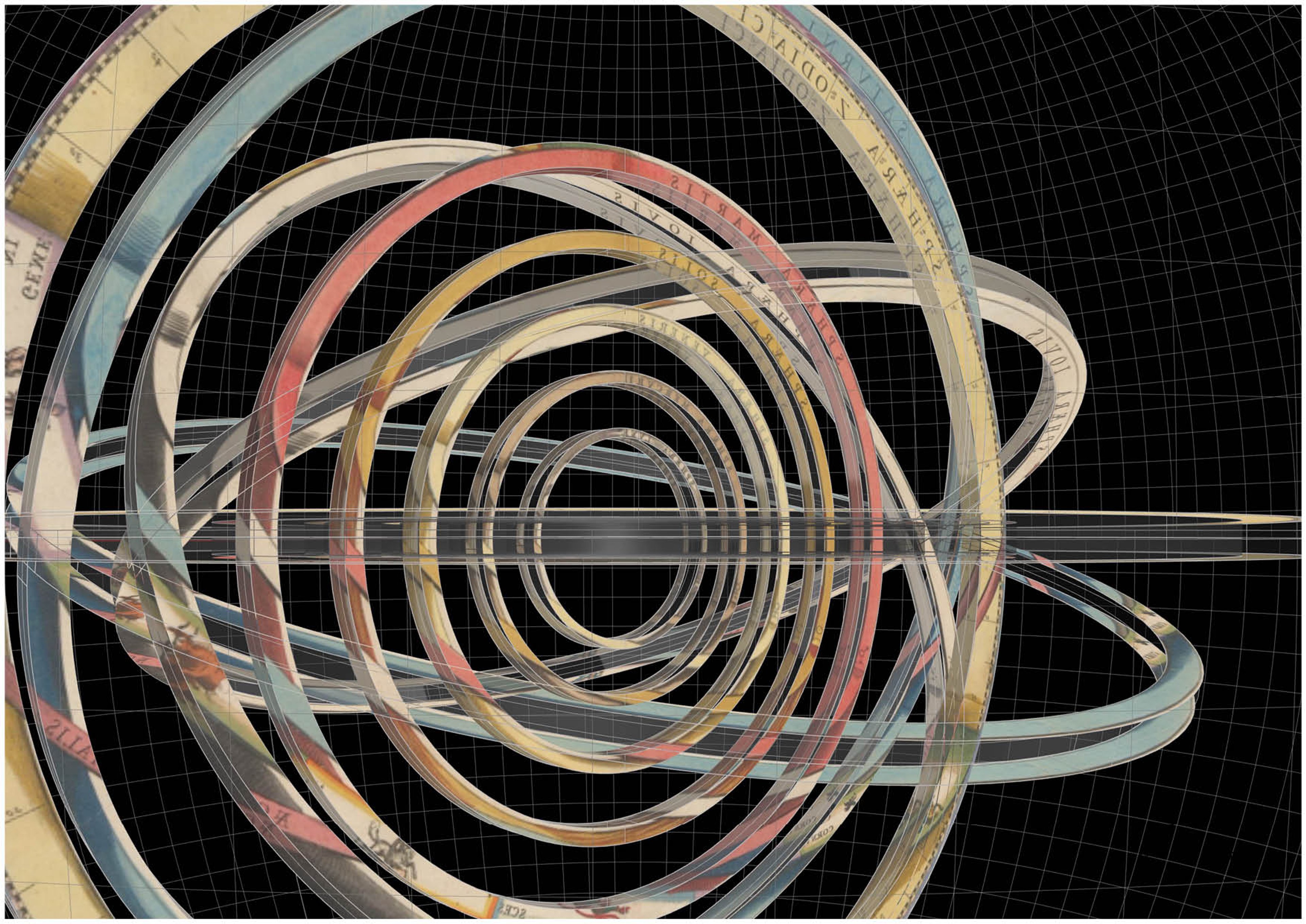
The structure of Oculi Mundi was developed as a direct response to the maps, the Collection database, and the audience. It fosters a system of interconnected experiences between the content and the social and curatorial spaces. This approach resulted in a cohesive, virtual universe, complete with design motifs and fun wayfinding placeholders drawn directly from the Collection.
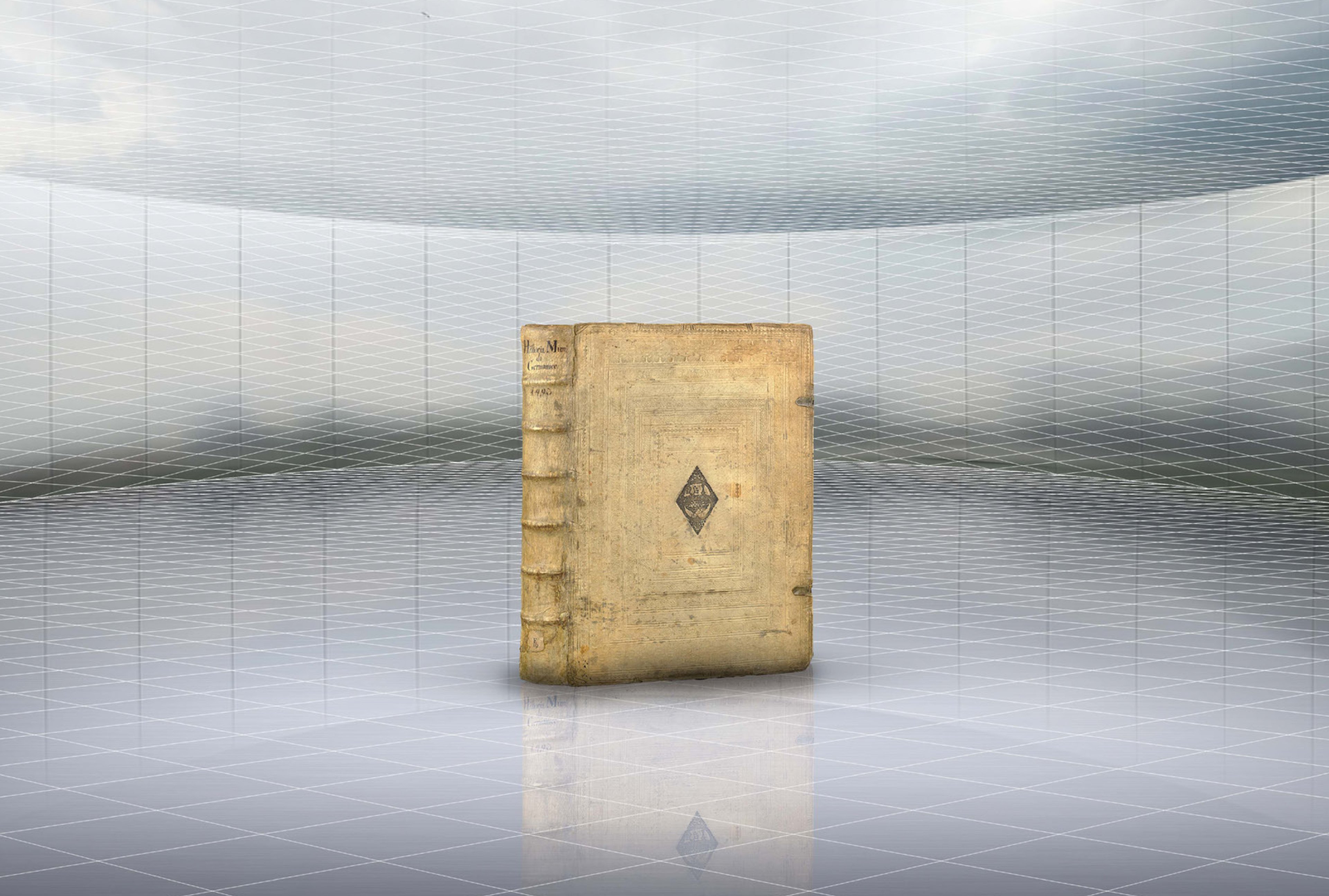
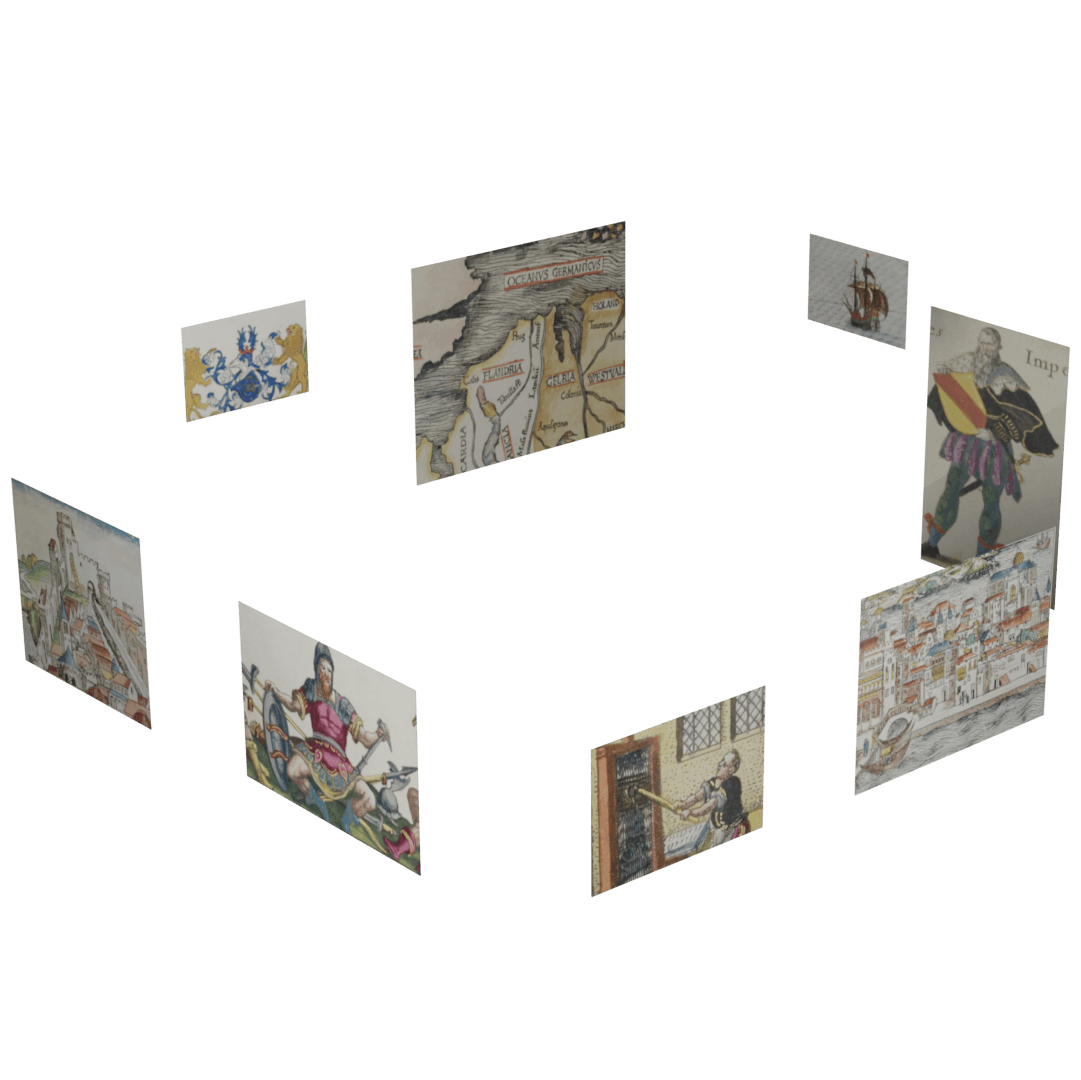
The design of Oculi Mundi was informed by extensive research and multitudes of experience working in architecture and spatial practice, as well as the attention to the display of three-dimensional objects and archival workflows. A significant challenge lay in how to display the inherently two-dimensional maps in order to avoid a 'flat' presentation. The team envisioned leveraging innovative technology to deliver a dynamic, high-quality, and customisable experience suitable for a modern audience.
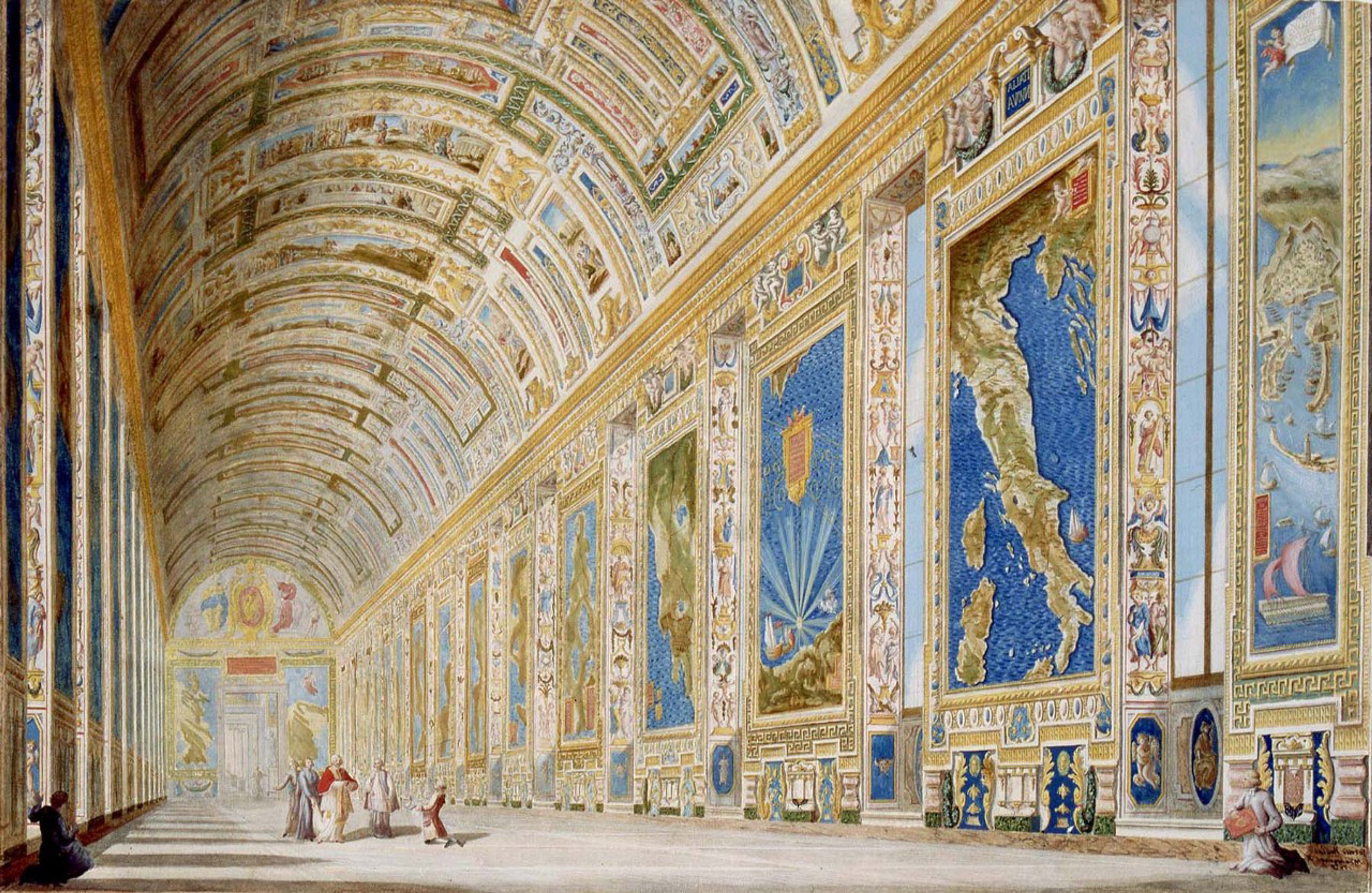
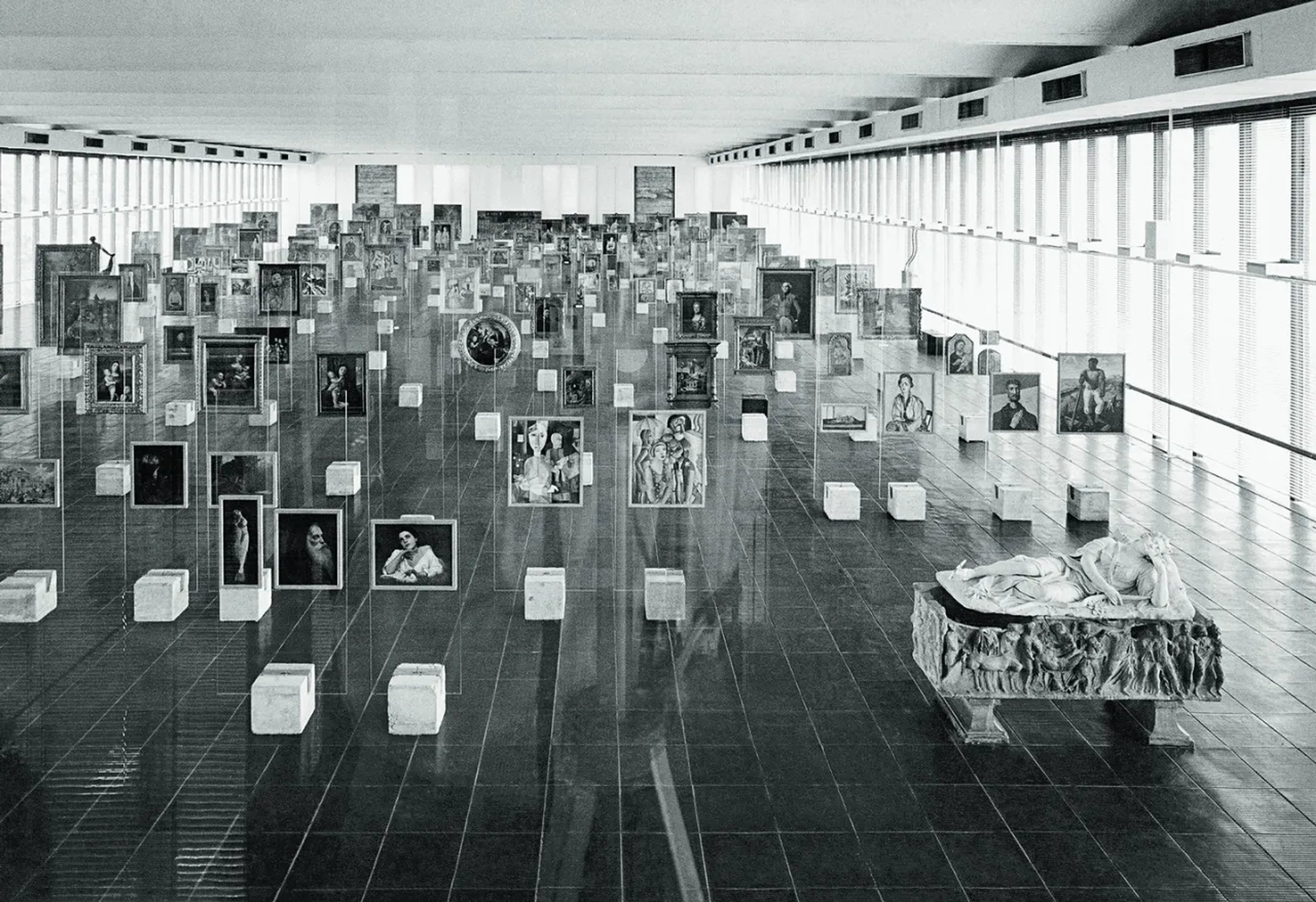
An example of this is the stunning ‘Gallery of Spaces’ navigation, and the Collection environment, which was developed as a revolutionary gallery using a multitude of inspirations - from the Ignazio Danti’s Gallery of Maps in the Vatican to Lina Bo Bardi's Exhibition Room in the Sao Paulo Museum of Art (1968). Today it can be accessed in either Research or Explore mode.
Along their journey in 2021 and 2022, the team created two books to document their research, which you can enjoy in this virtual gallery.
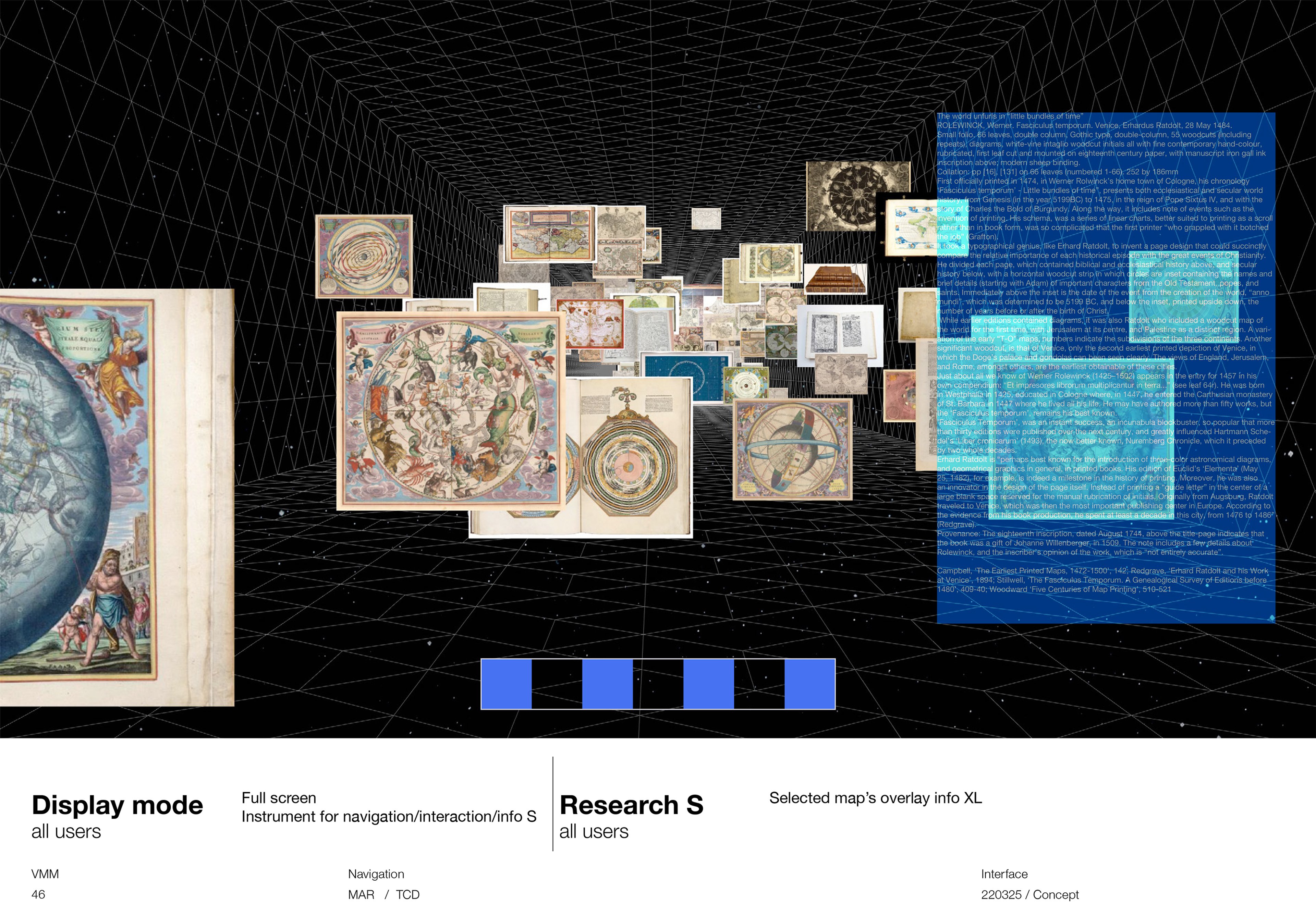
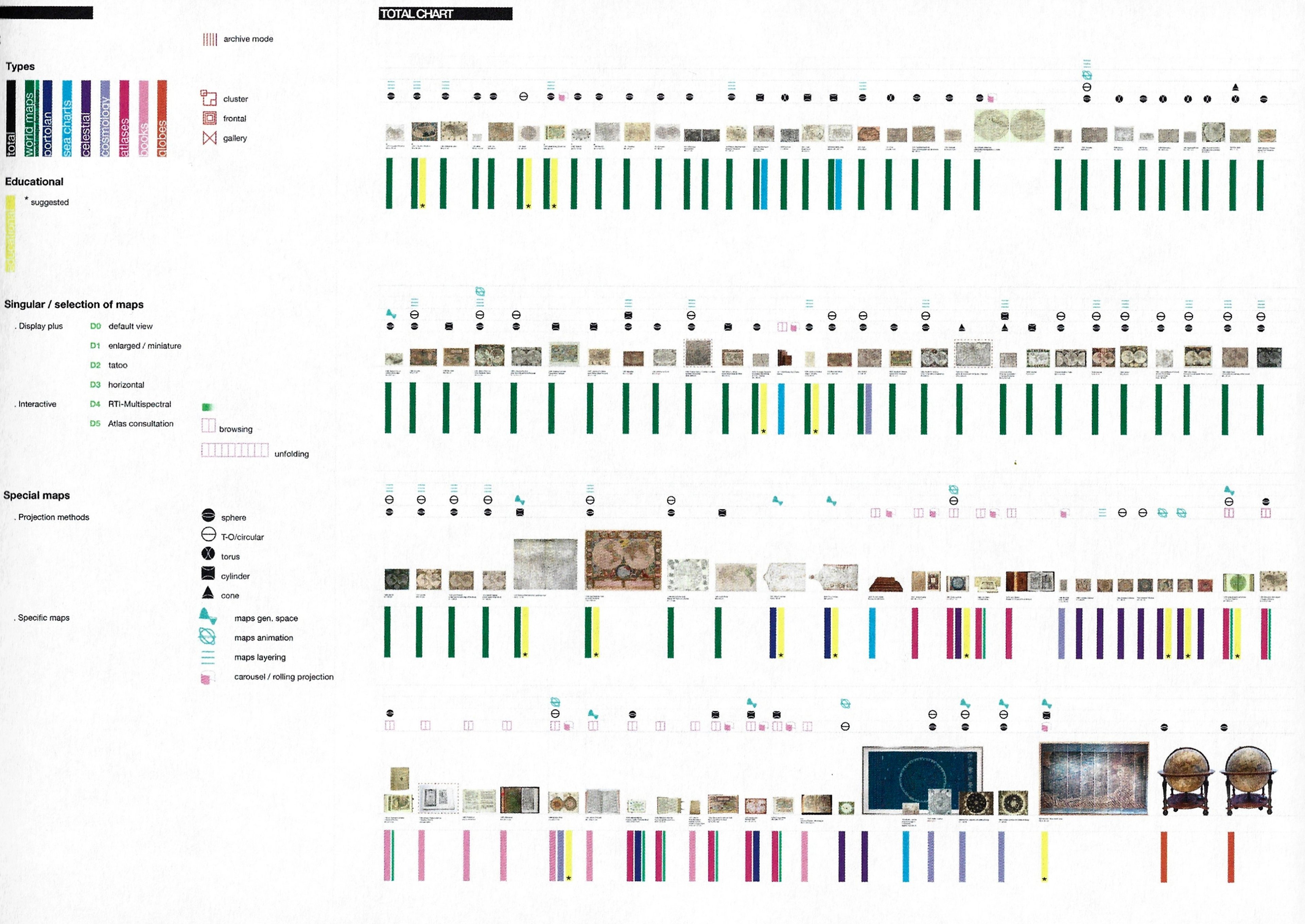
From the start, Oculi Mundi aimed to reimagine the antique object gallery experience for a digital space.
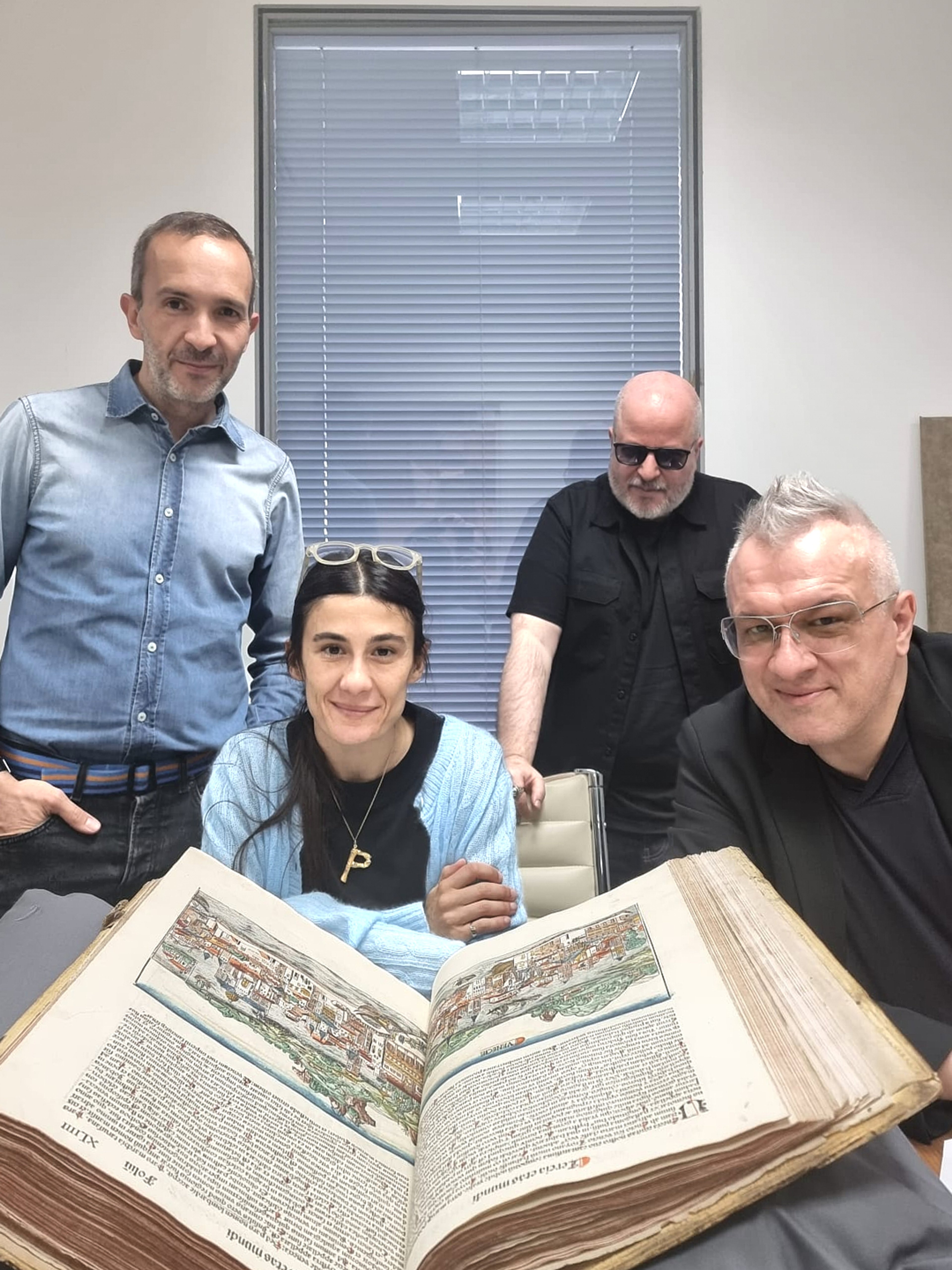
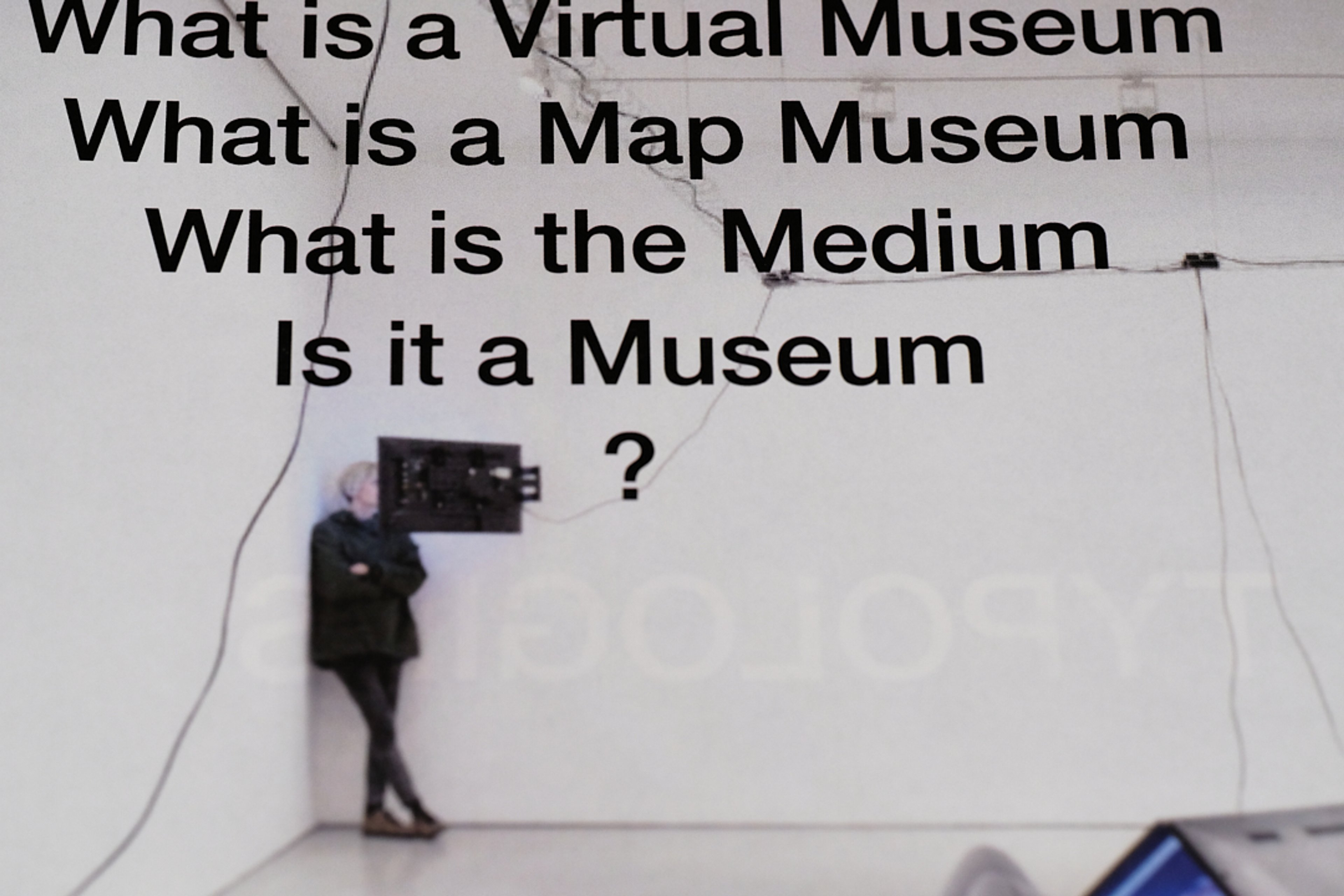
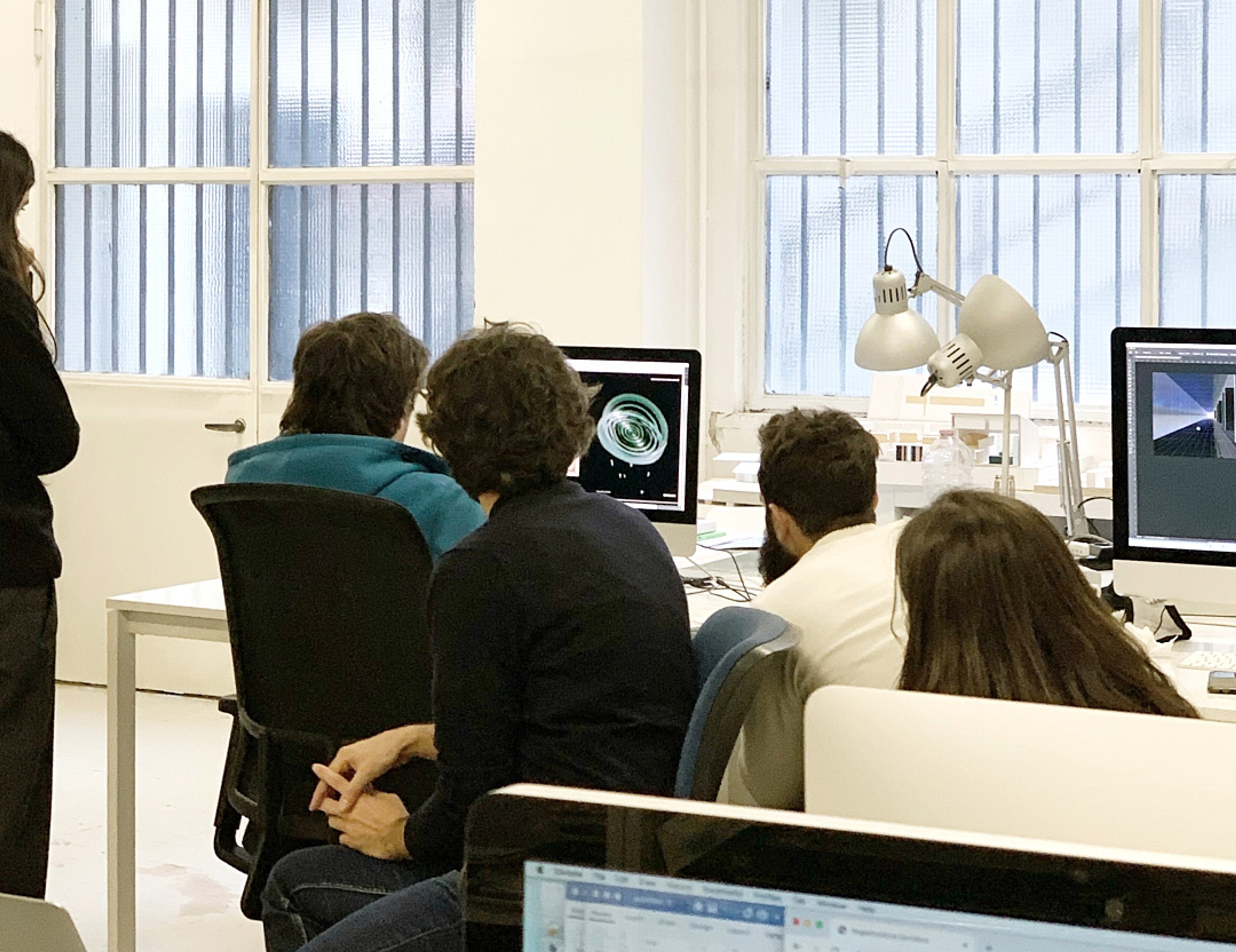
An experienced team of architects, designers, and thinkers were assembled: Juarez Corso and Paola Mongiu from M A R (Milan), Tim Archambault of Thecreativedestruction (Miami), working with architect and consultant Eric de Broche des Combes from Luxigon (Paris). The team, led by Helen, adopted a playful and experimental approach, collaboratively questioning “what is a map museum?”
The project's core mission was to establish an accessible and critical environment to showcase the map and atlas collection, which emphasised the history and importance of exploration and discovery knowledge across cultures.
A key objective was to create a dynamic, virtual gallery and resource hub that successfully balanced academic rigor and physical accessibility. It required an immersive user experience that captured the intimacy of physical interaction with these early cartographical works, and had the ability to evolve as the Collection and its assets increased, and as the ambitions of The Sunderland Collection expanded.