Exhibitions
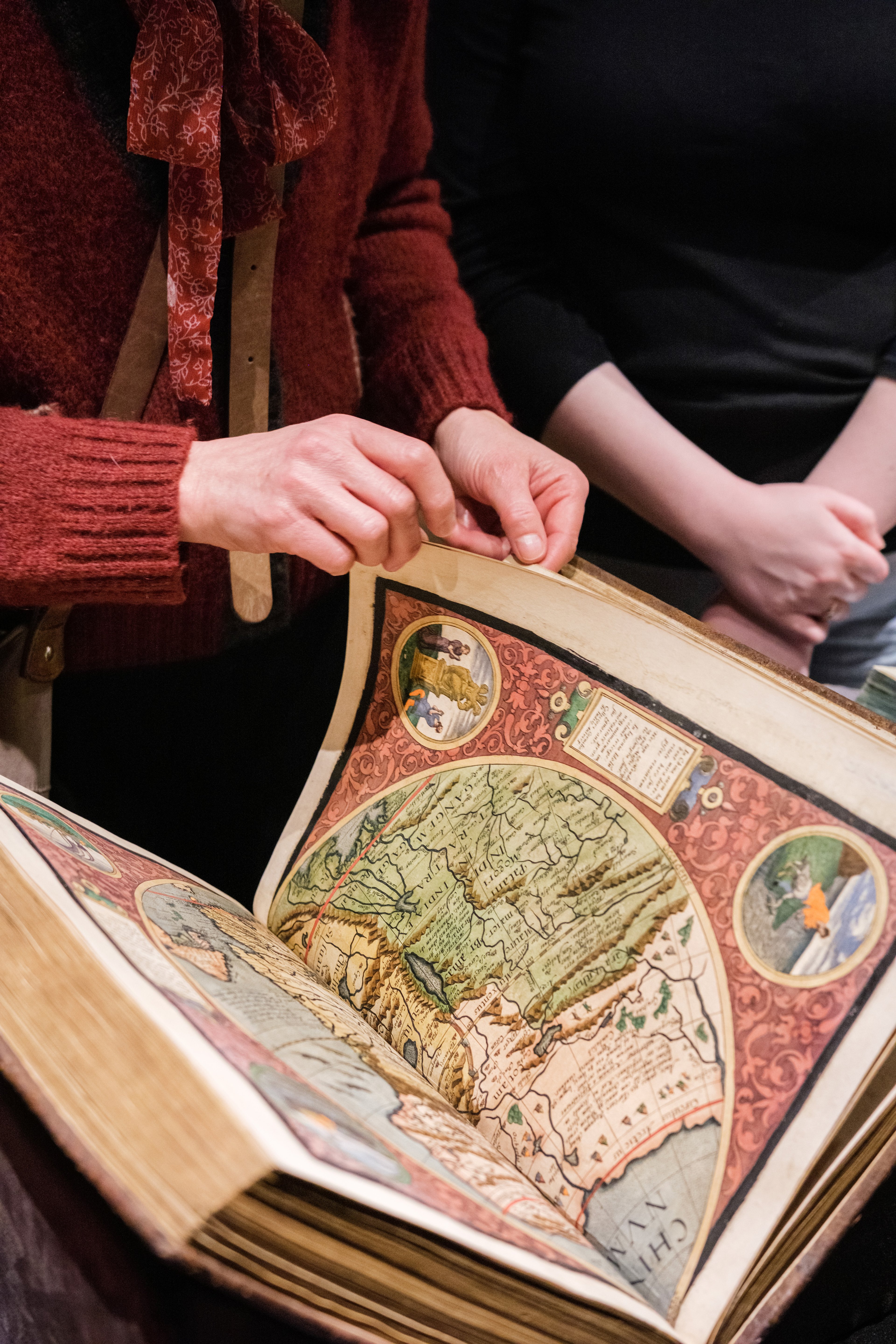
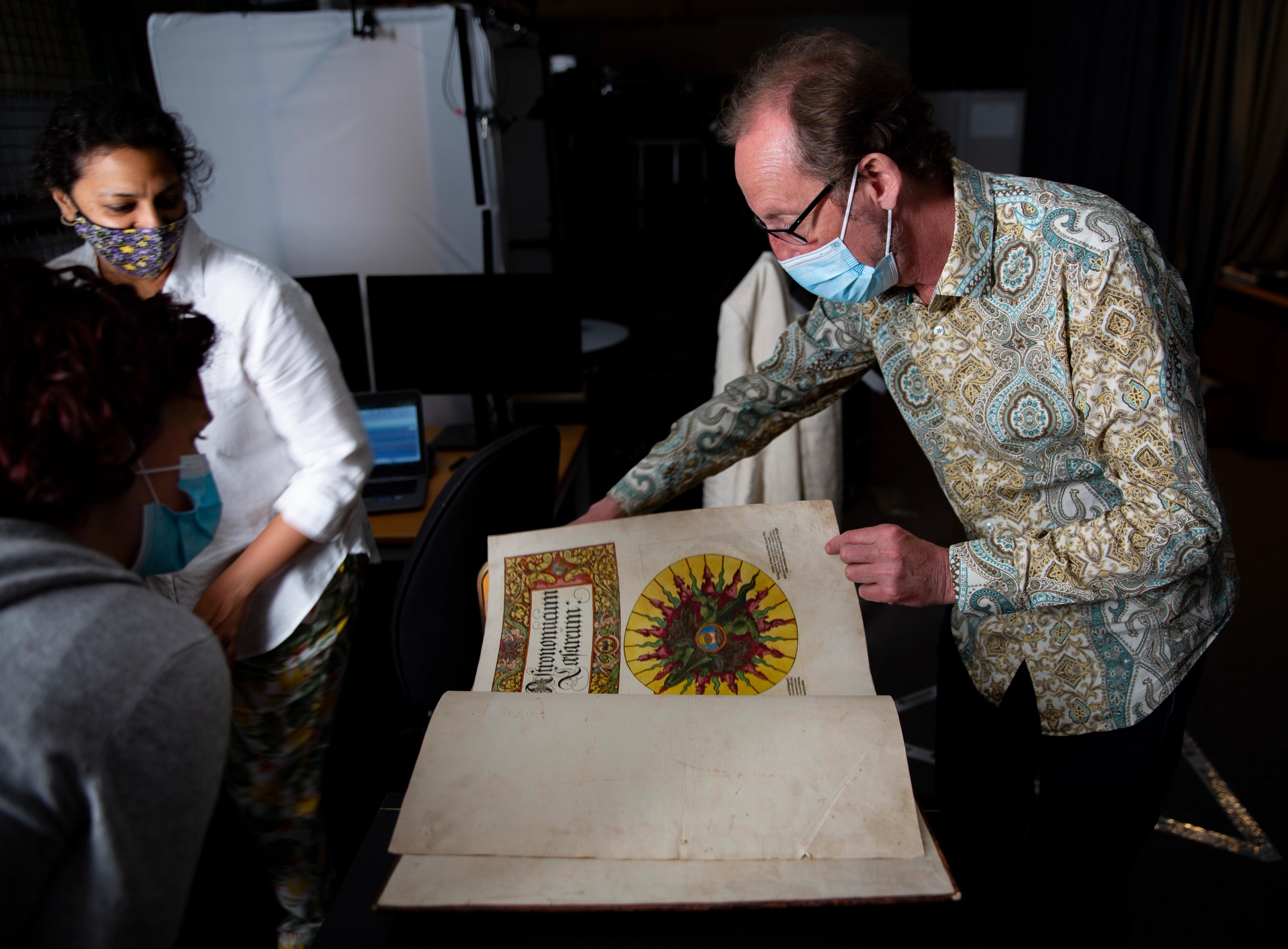
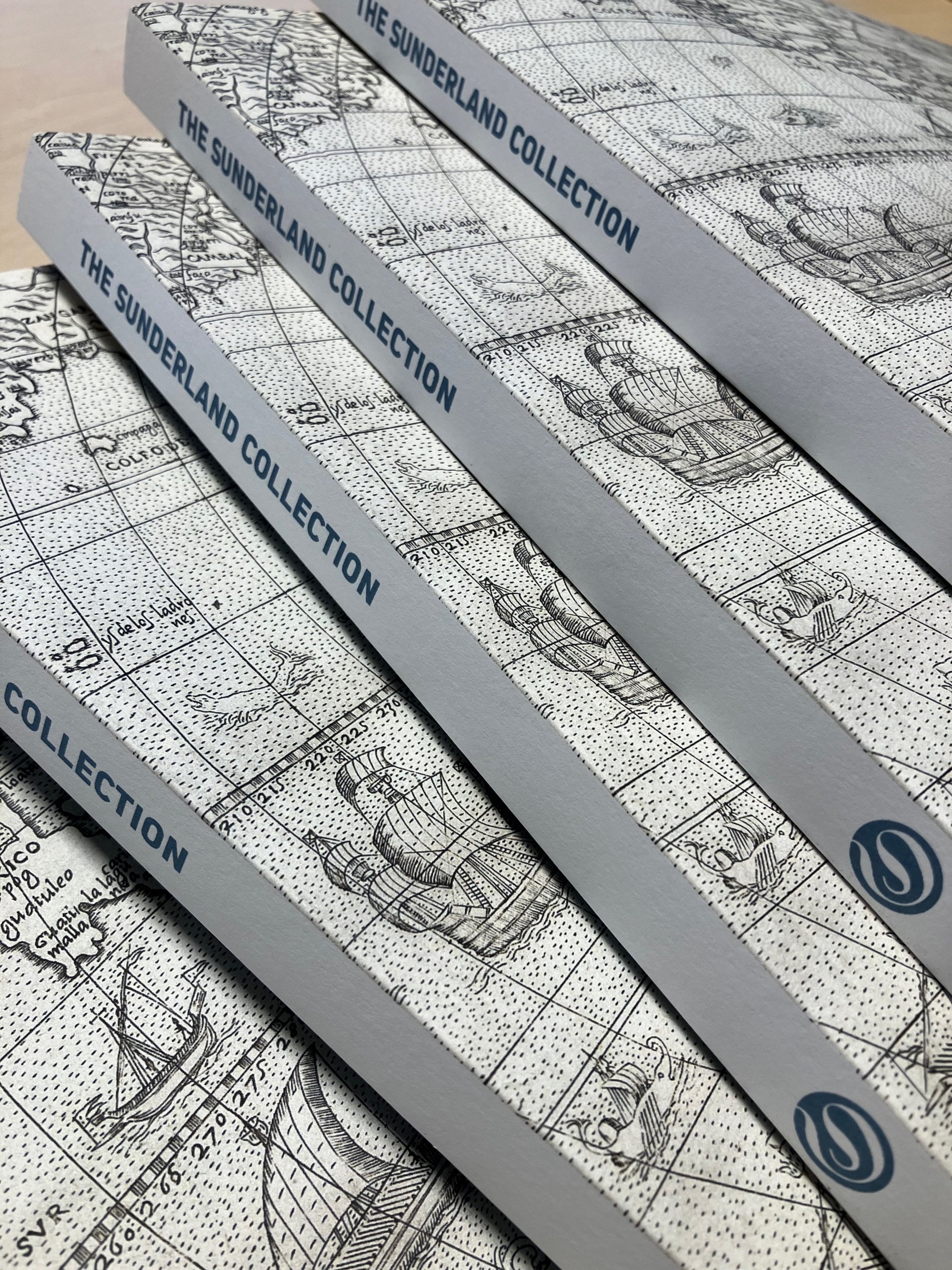
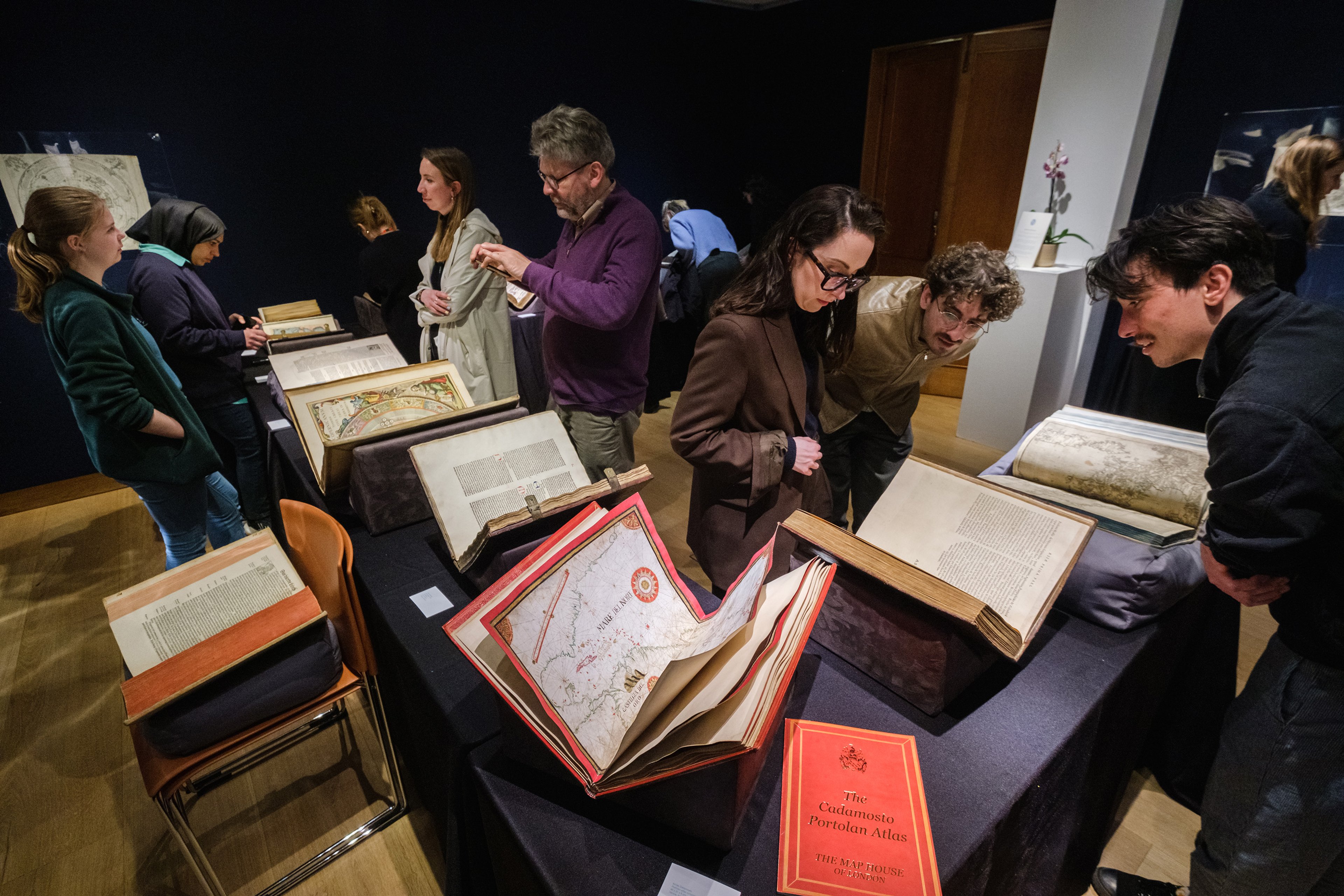
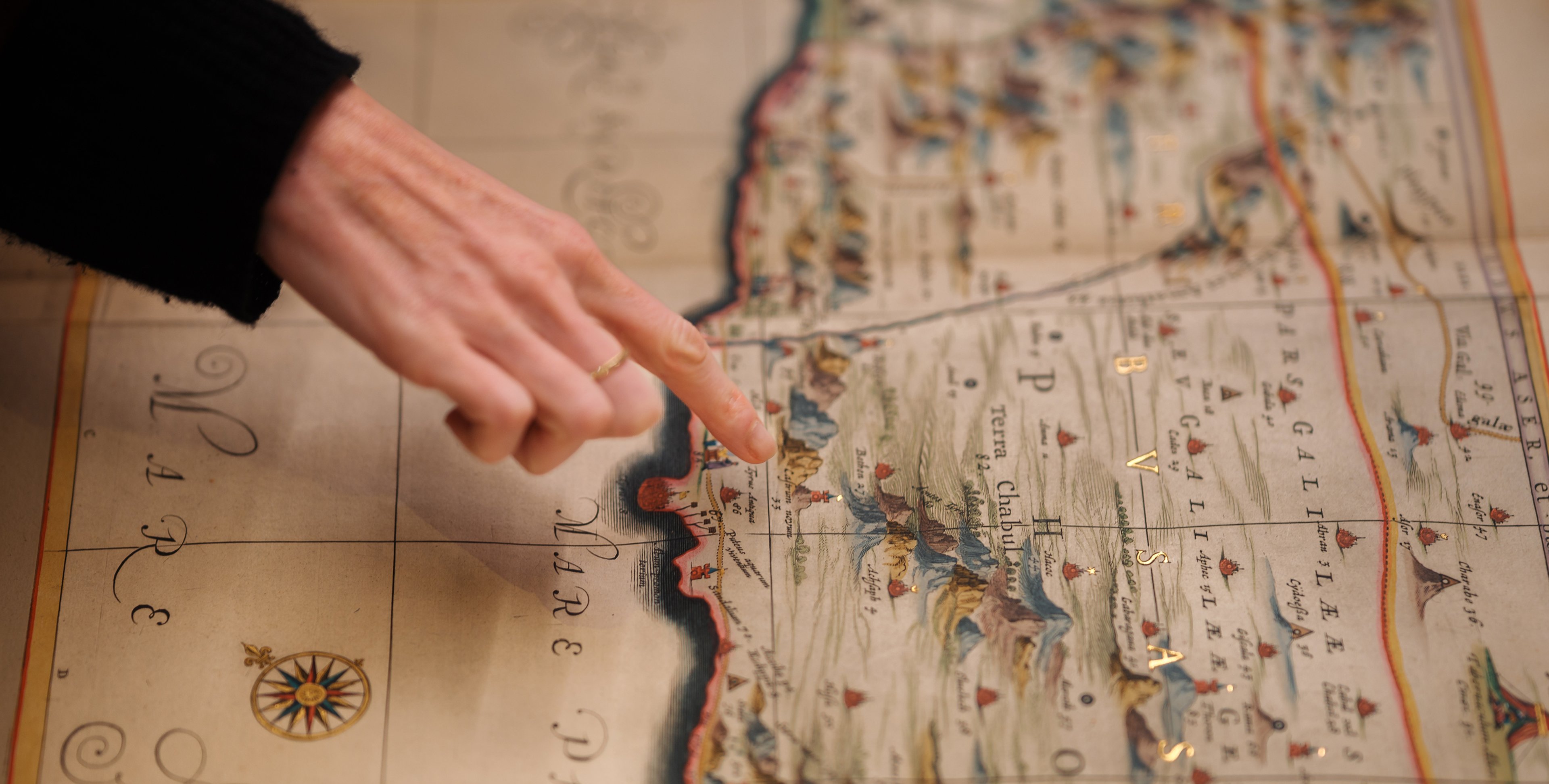
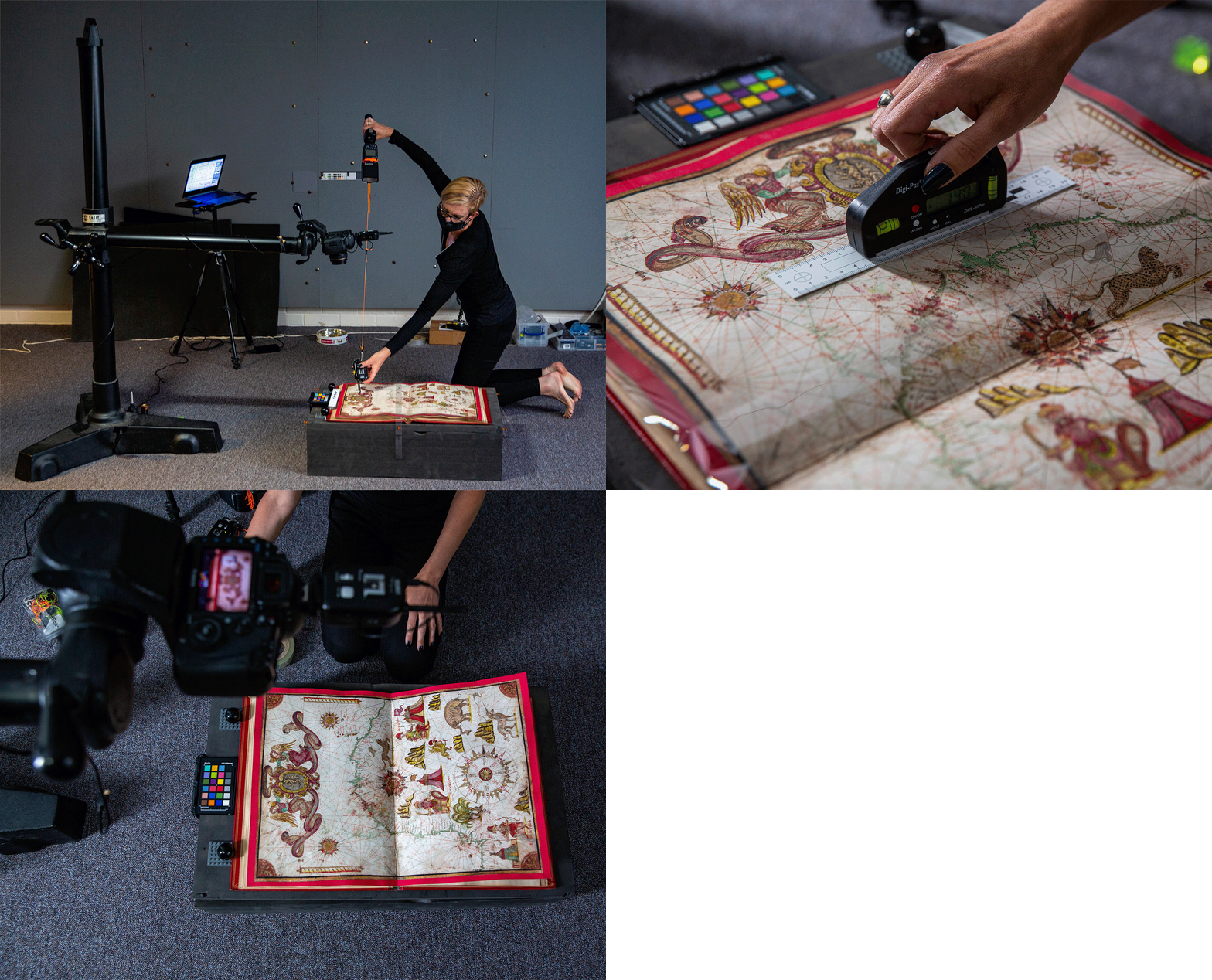
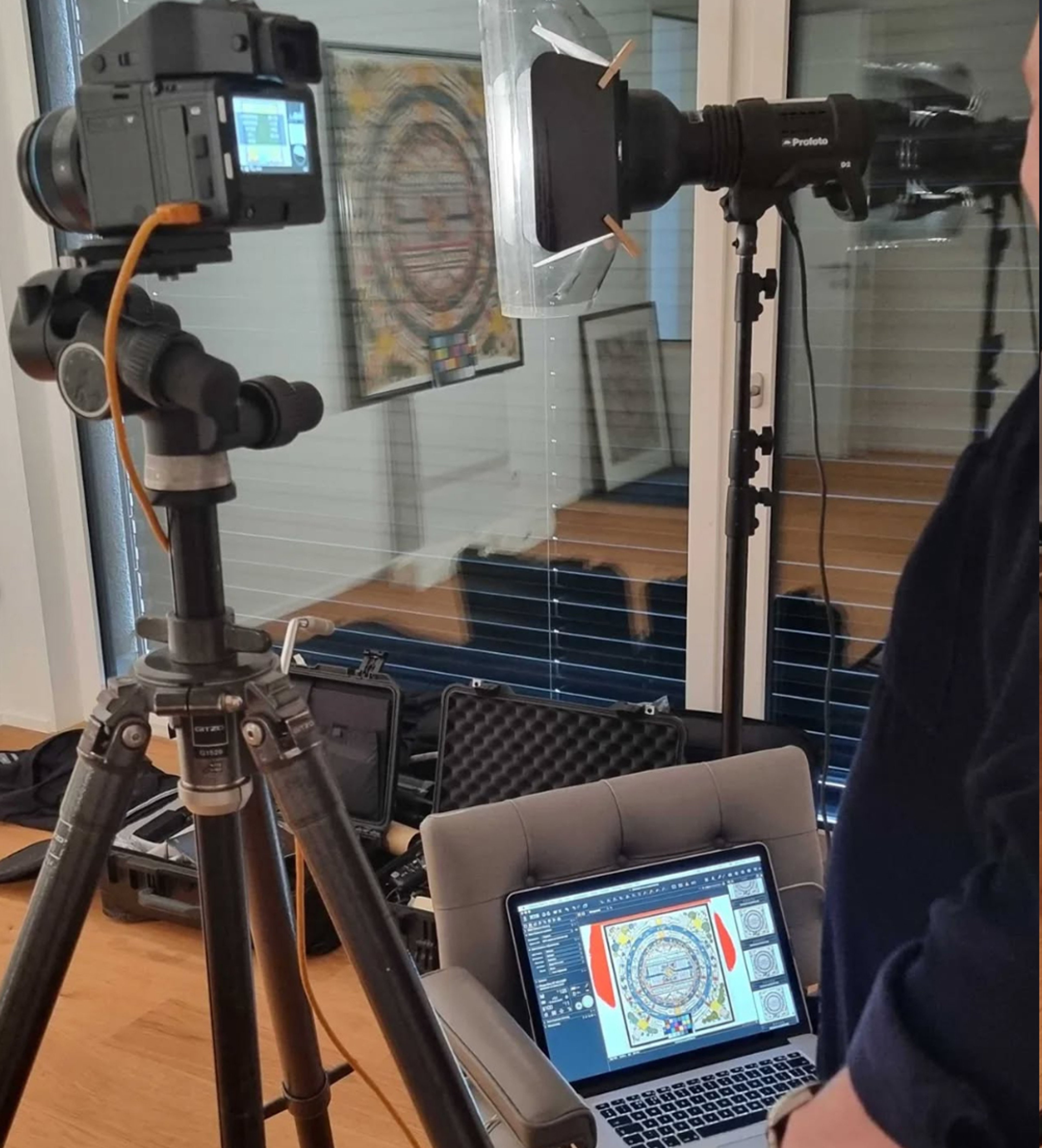
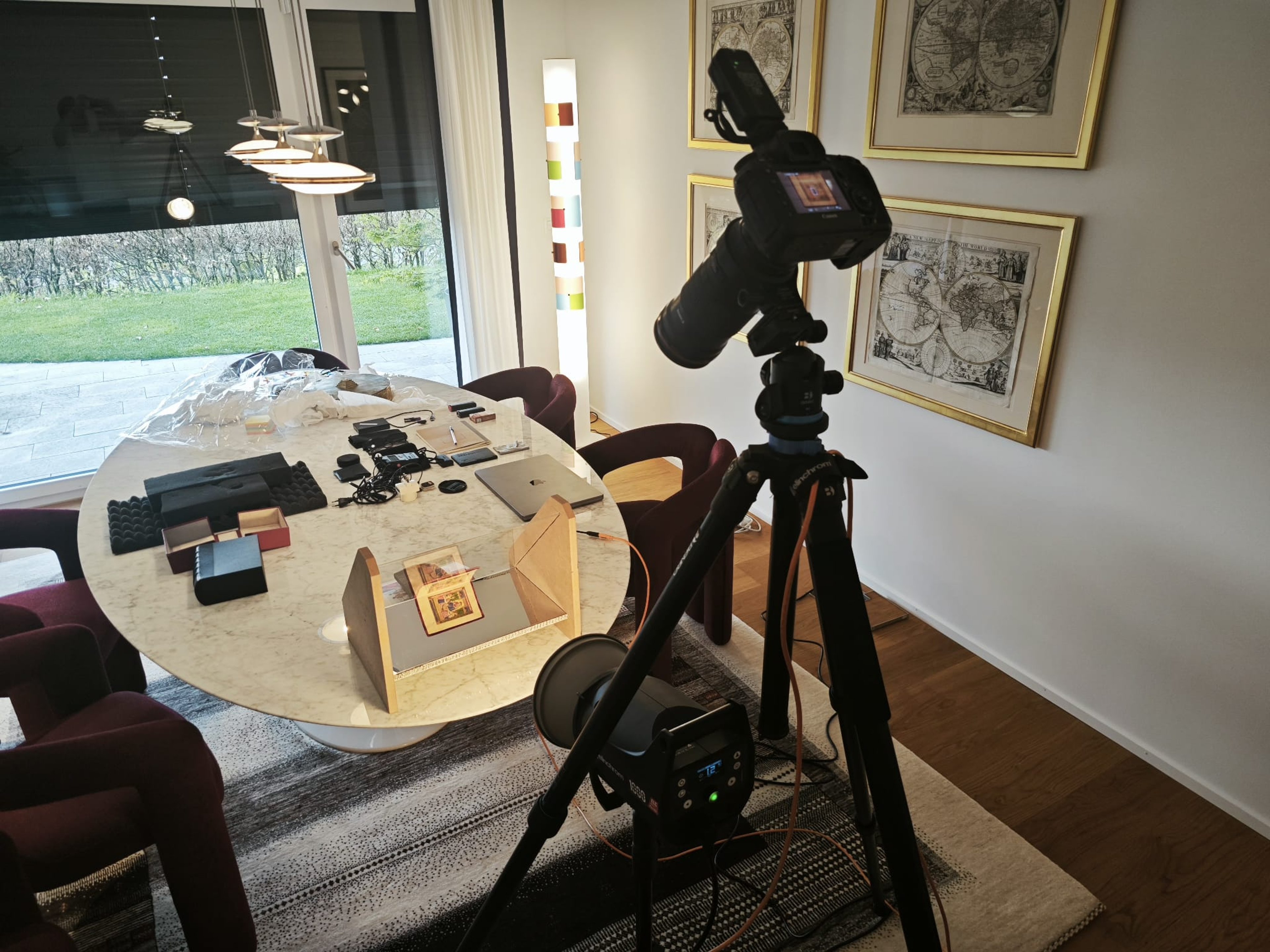
To start this ambitious project, the entire map and atlas collection required comprehensive digitisation and cataloguing - high-resolution scanning, academic scholarship, and metadata capture. This was done with the help of numerous dedicated map experts, the imaging team from the British Library and Factum Arte, photographer Louie Fasciolo and multi-spectral imaging specialist Dr. Kathryn Piquette.
Unlike other institutional collections, The Sunderland Collection is not attached to a specific space. So while physically the maps and atlases reside in Switzerland and London, this granted freedom from physical architectural boundaries. A limitless museum.
Real world studies of how people interacted with the Collection were also conducted to learn about how items could be presented and identify what audiences may access the platform. For the latter, the test was inconclusive, resulting in a more universal approach.
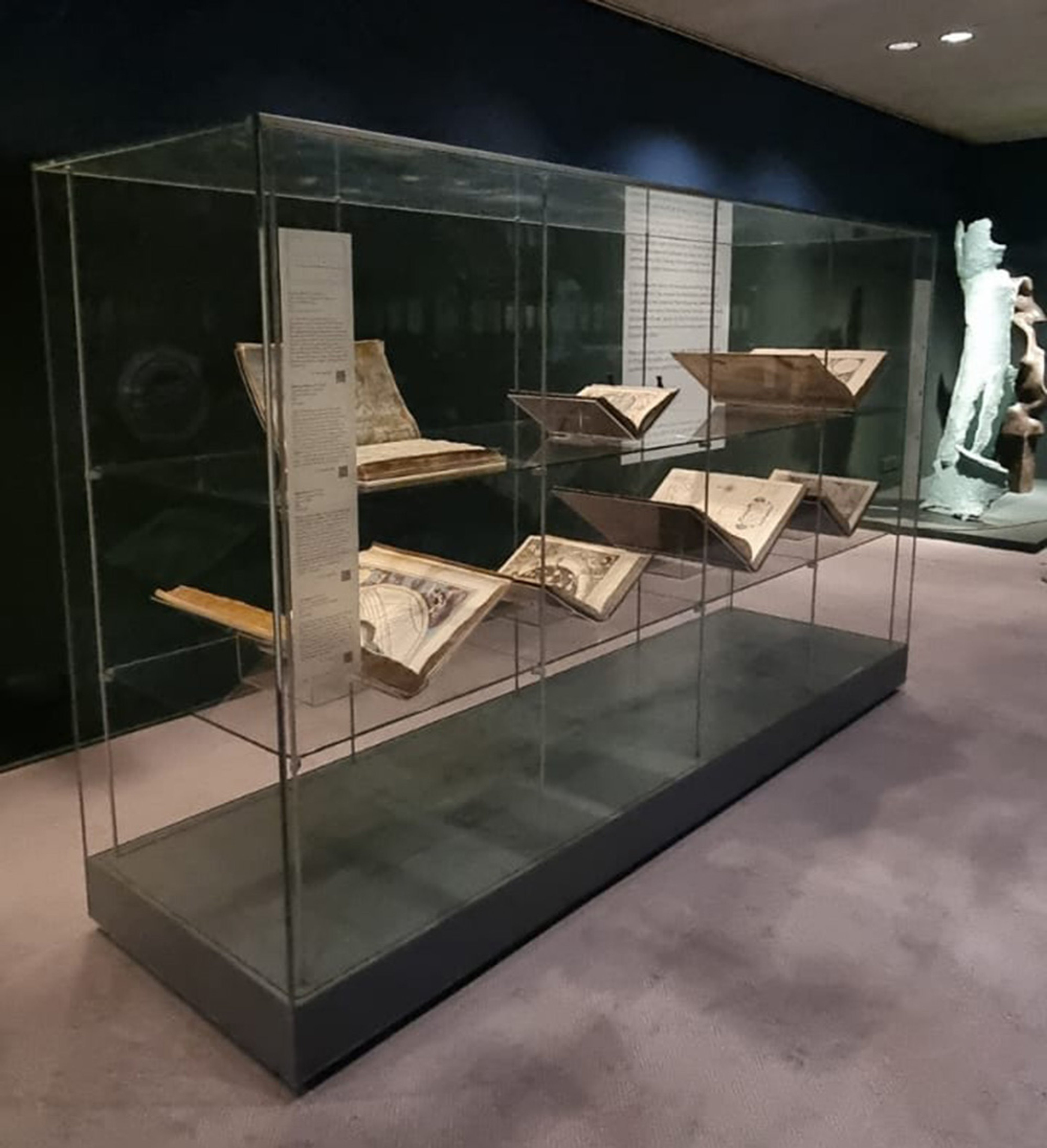
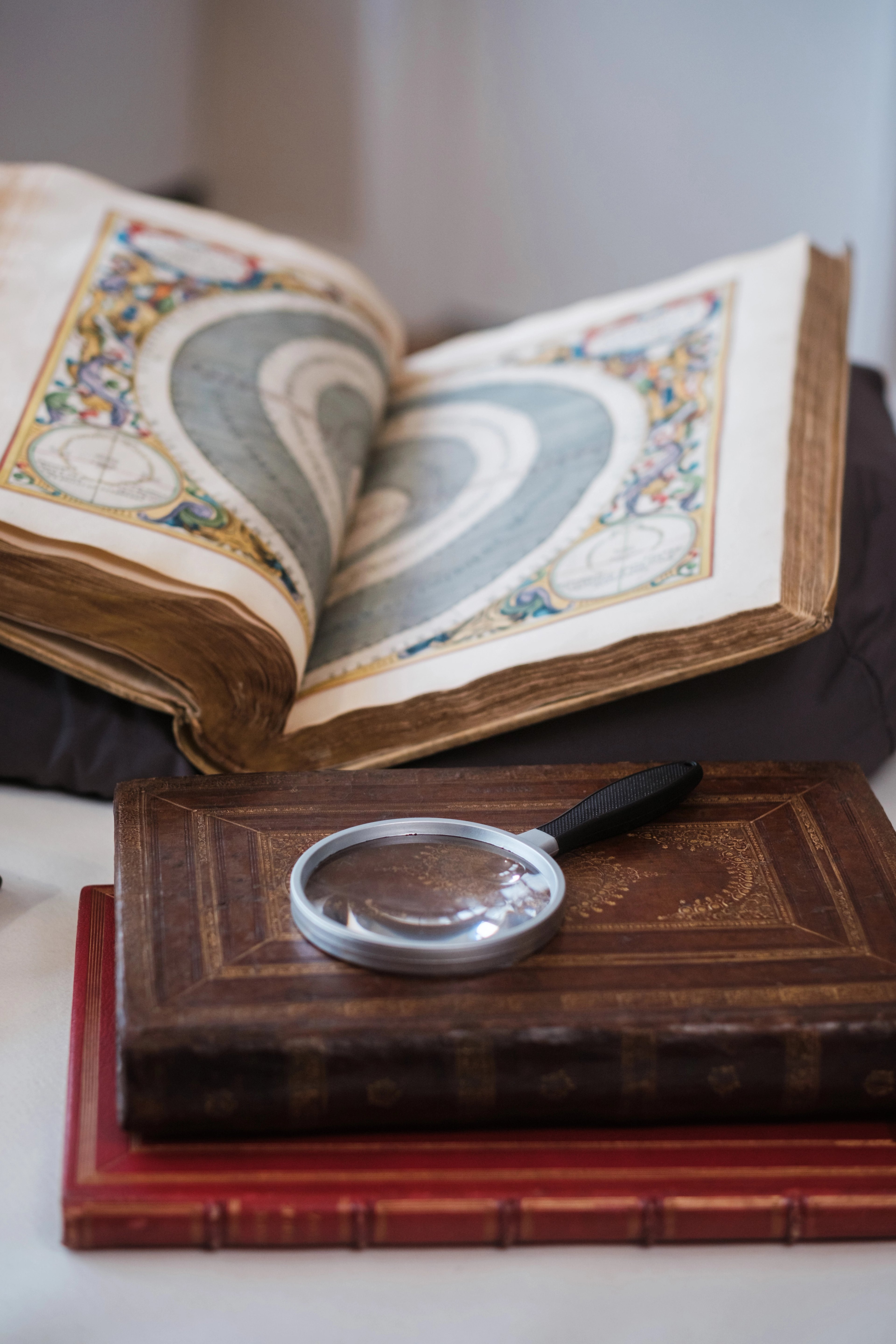
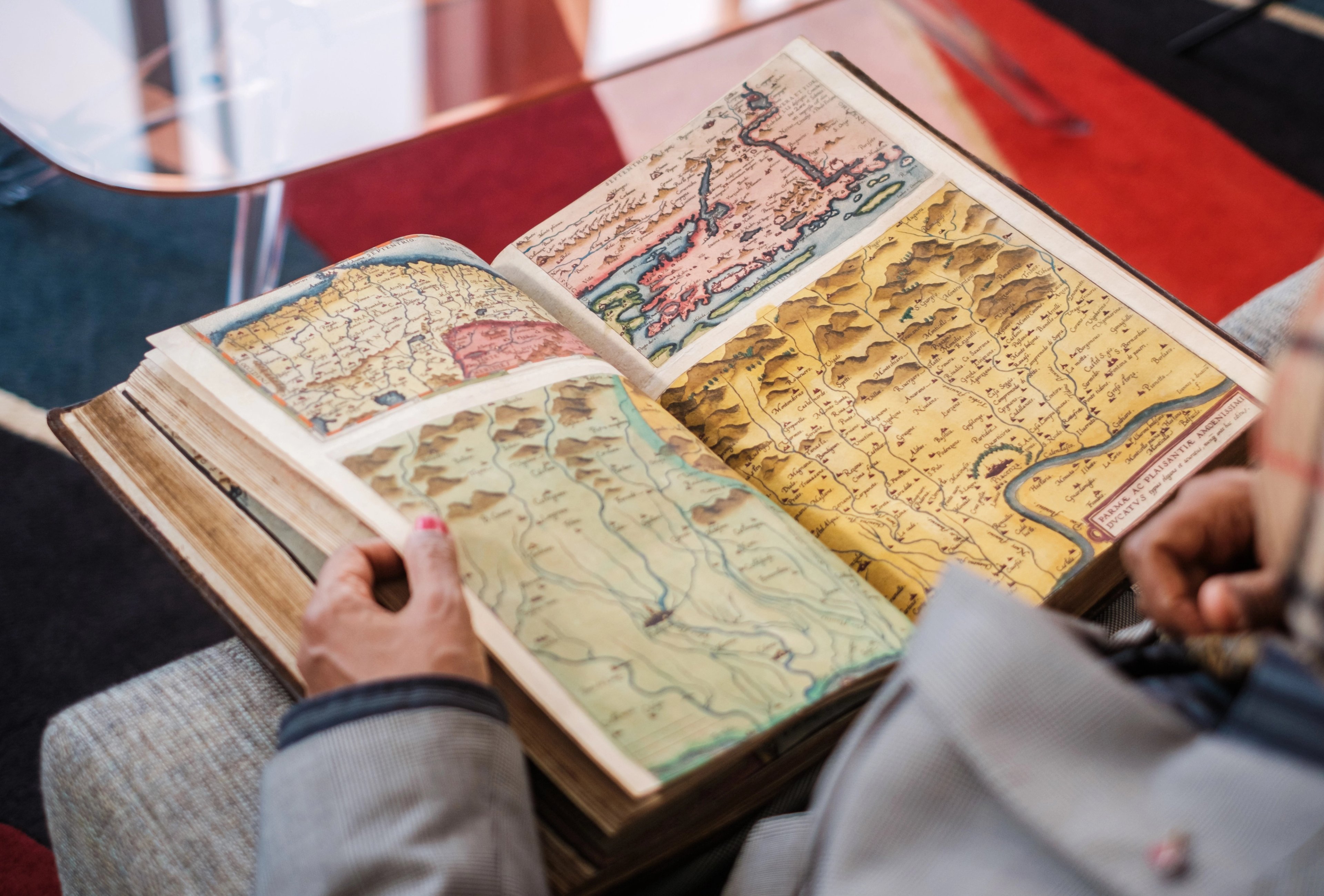
The Sunderland Collection contains early maps, atlases, globes and books of knowledge dating from the thirteenth to the early nineteenth centuries. Its themes are the evolution of knowledge across cultures, the development of cartography, and the artistry of mapmaking.
In 2021, a decision was taken to activate the Collection and open it to the public. The core mission of The Sunderland Collection is to be as accessible as possible worldwide, for study or simple enjoyment.
While the Collection does not have a physical permanent location, it has been fully digitised and operates like a museum without walls. It is for this reason that the Collection’s Director, Helen Sunderland-Cohen founded Oculi Mundi.
Learn more about the Collection and its origins here.