Exhibitions
Artist Statement:
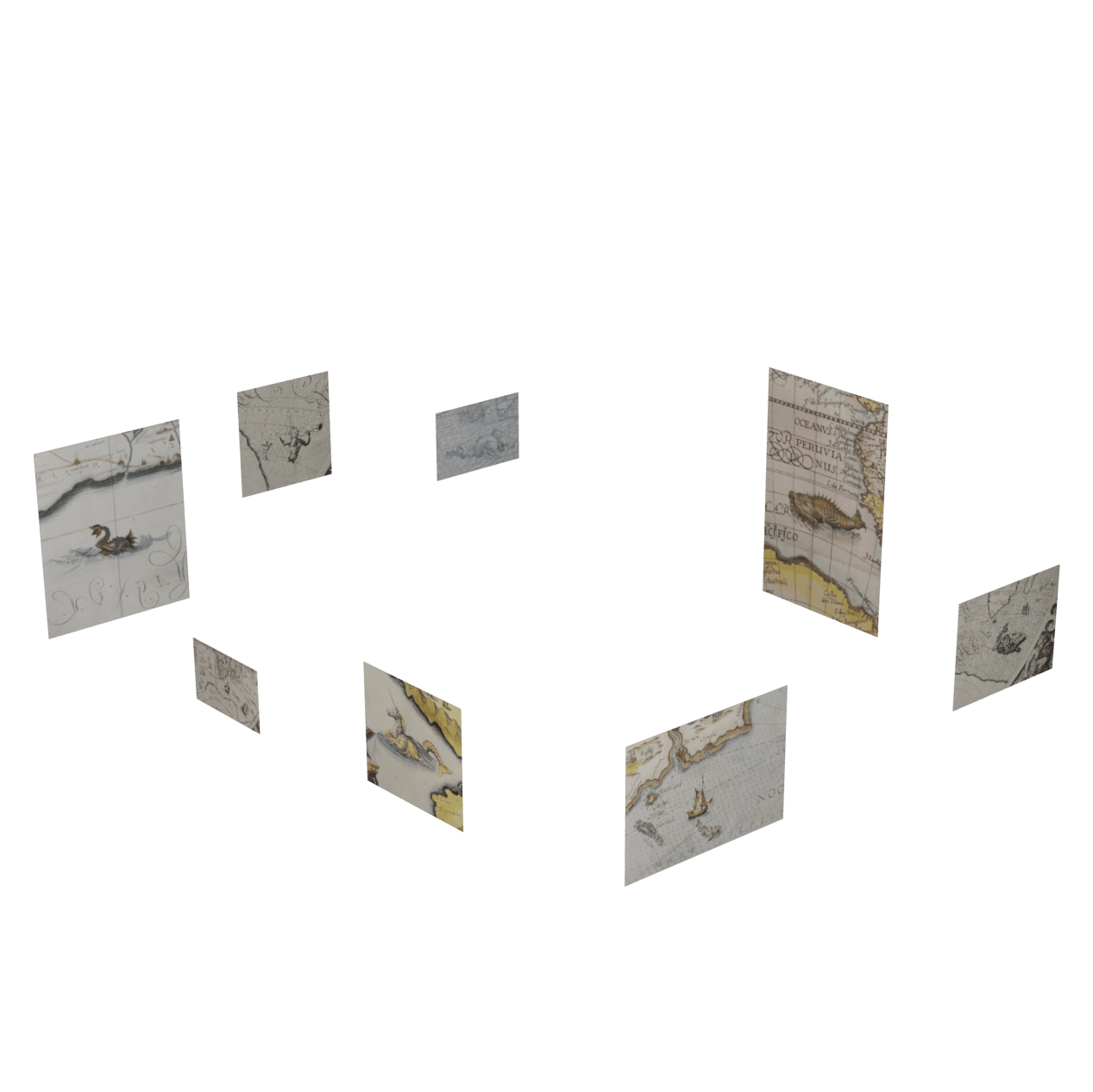
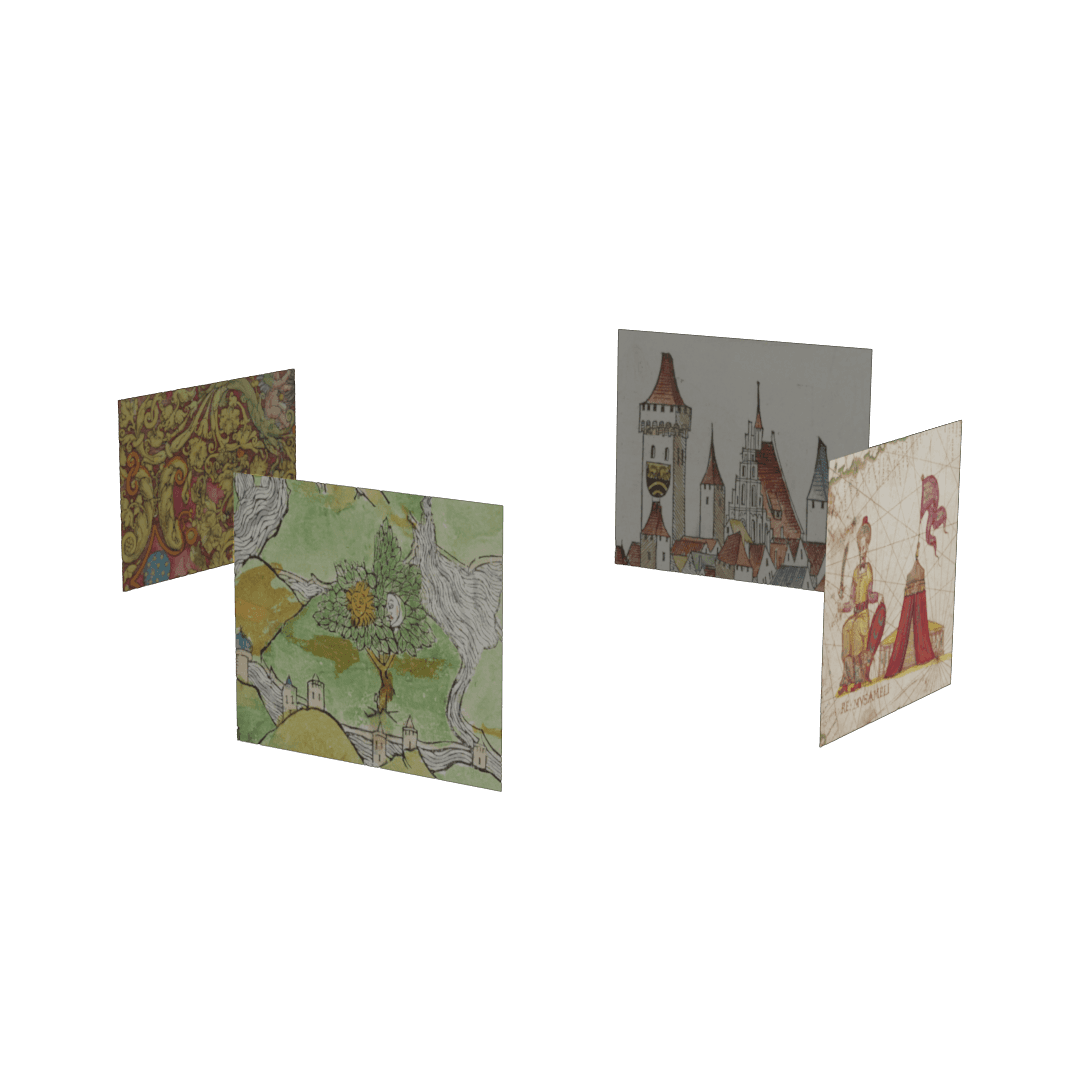
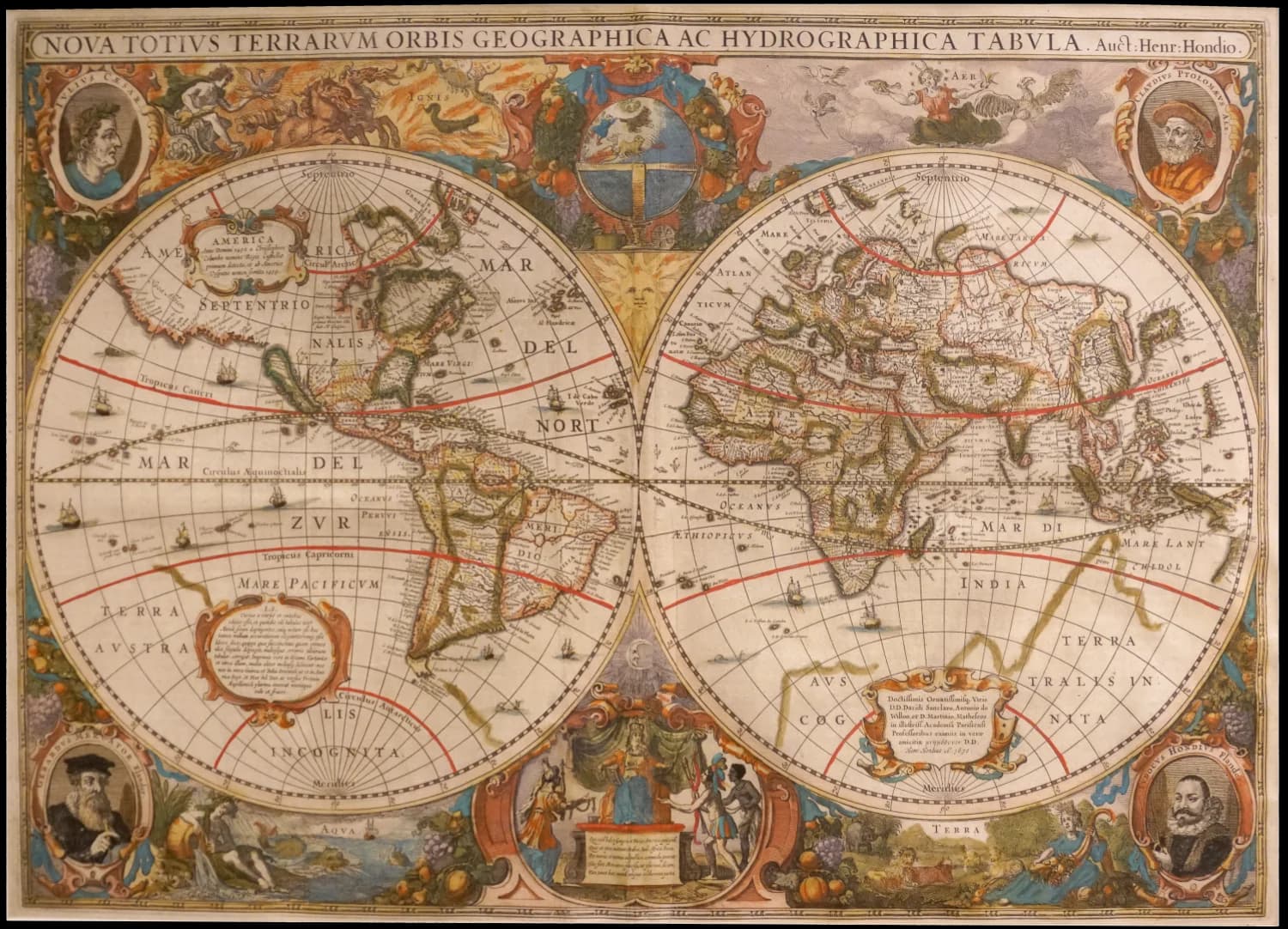
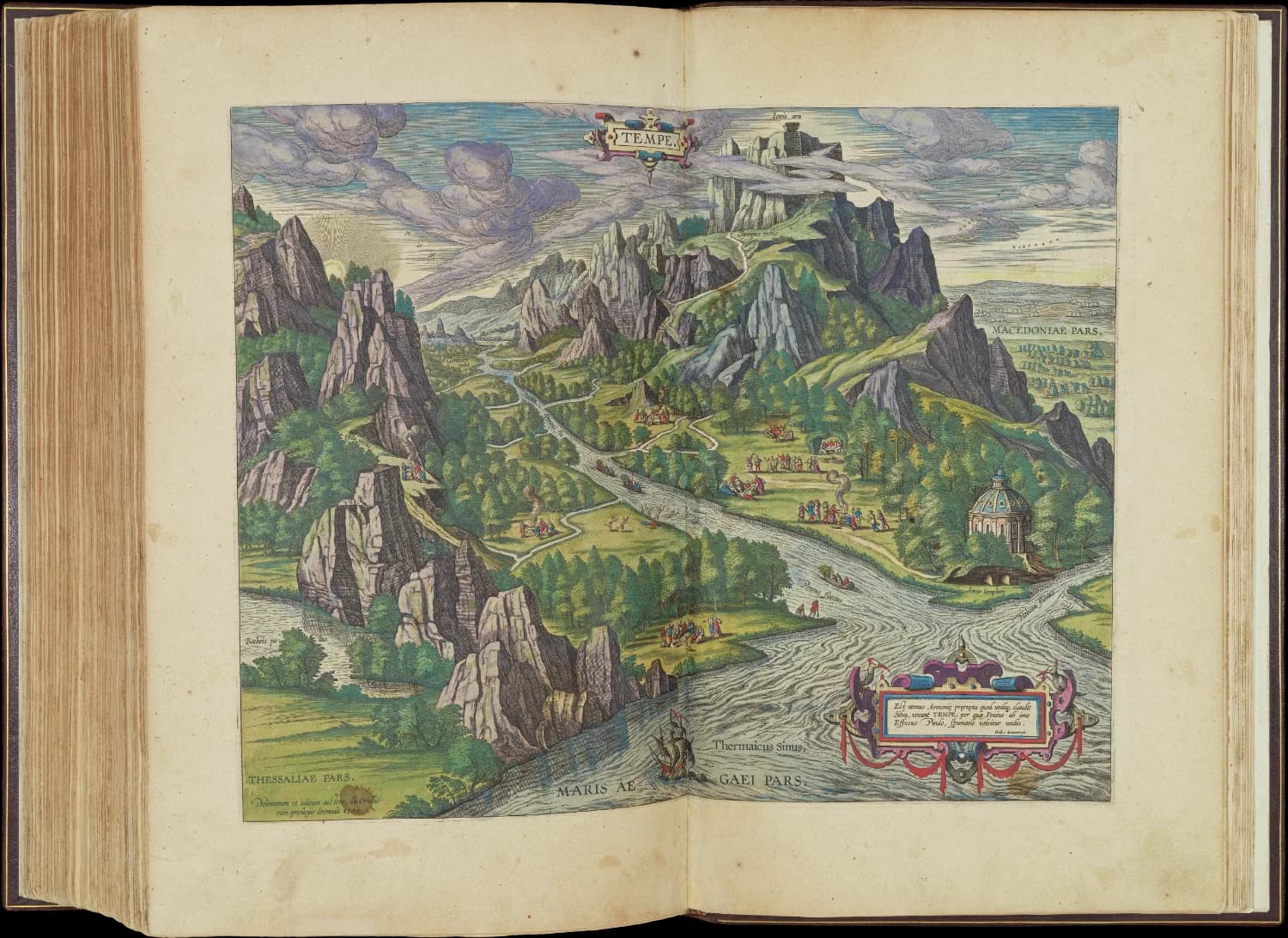
Take a look at Frederick De Wit’s 1660 map of the world, ‘Nova Totius Terrarum Orbis Tabula’. The pouting sun watches over carefully measured continents crossed with precise lines of scale and latitude. Gods and goddesses frolic with gryphons and sea monsters, and Copernicus’ up-to-date model of the solar system shares equal billing with Ptolemy’s from a thousand years before. A talented engraver’s touch lovingly delineated all, an expert painter’s eye and brush brought it riotous colour.
On my first encounter with such treasures in the Sunderland Collection, I was
overwhelmed. Overwhelmed not only by the immense volume and variety of colour and form, the sheer density of texts and symbols, but by the collision of the realms of mythology, religion, mathematics, science and art. How is it that these realms coexist, apparently in uncontested harmony? Very little of this layered, complex information was comprehensible to me. That feeling did not trouble me. In fact I revelled in it.
The mystery and obscurity of these images and texts, I realised, were an
integral part of their charm. To me it seemed that their value lay in the care
and artistry that had been lavished upon their creation. Technical information
may soon become out-of-date, but the evocation of human ambition and
aesthetic achievement remains intact.
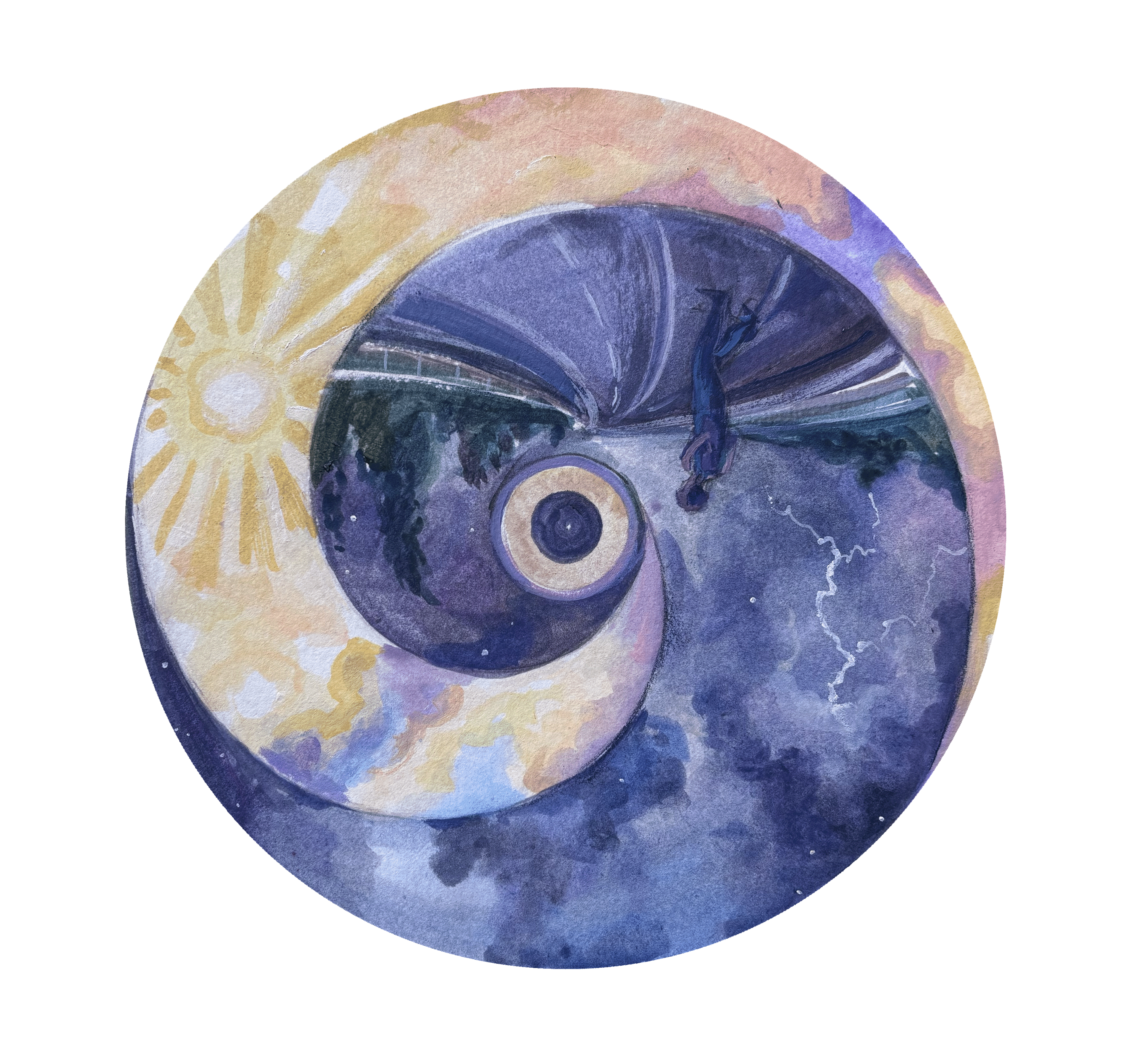
I have attempted to imbue the works I have created throughout this project with a symbology of my own. Sometimes, their meanings are clear and direct. Frequently they are oblique and occasionally carry a deeply personal significance. That meaning, however, is not fixed or implicit. The viewer is free to make their own connections, plot their own course through the works and arrive at their own destination.
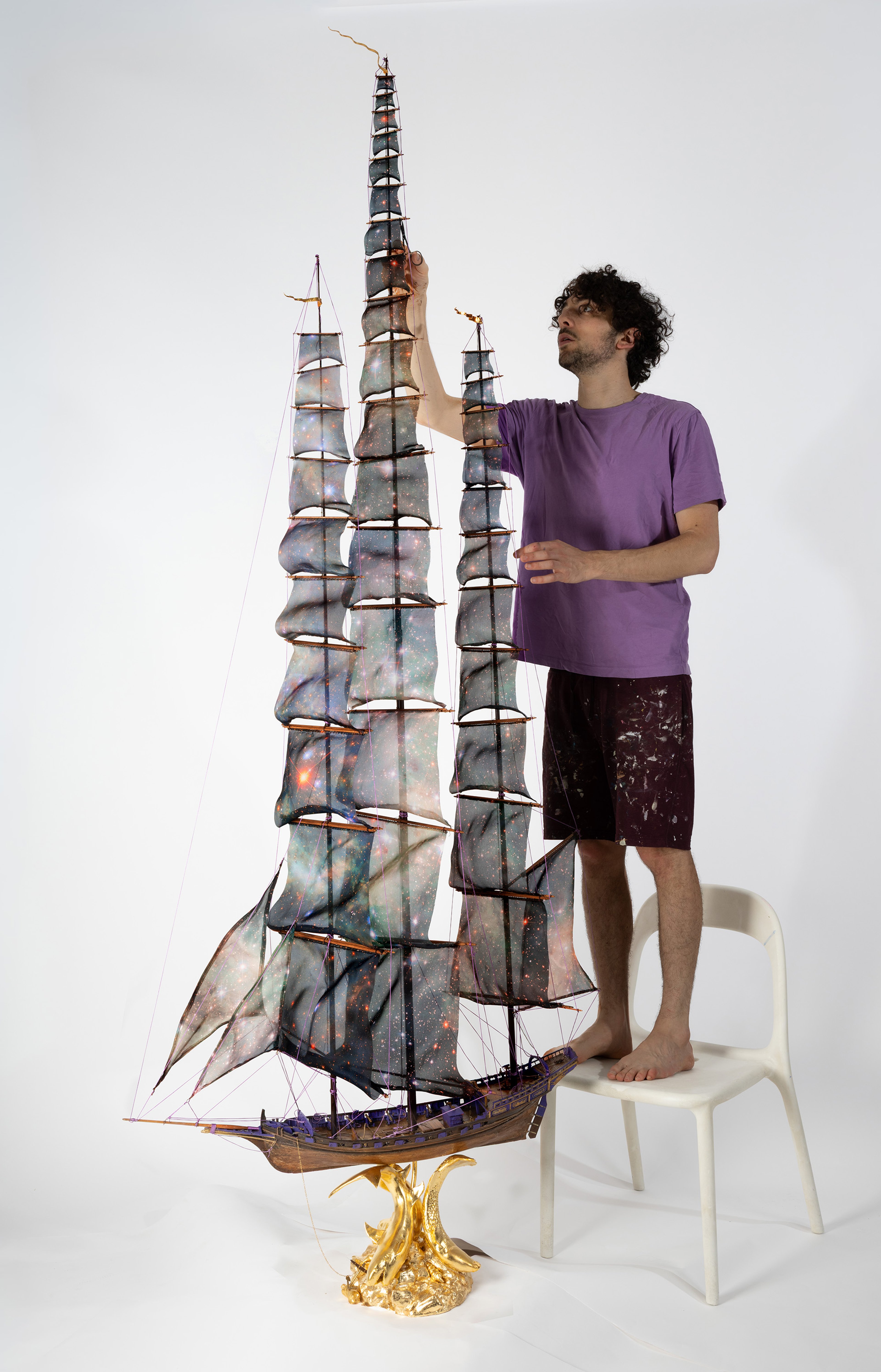
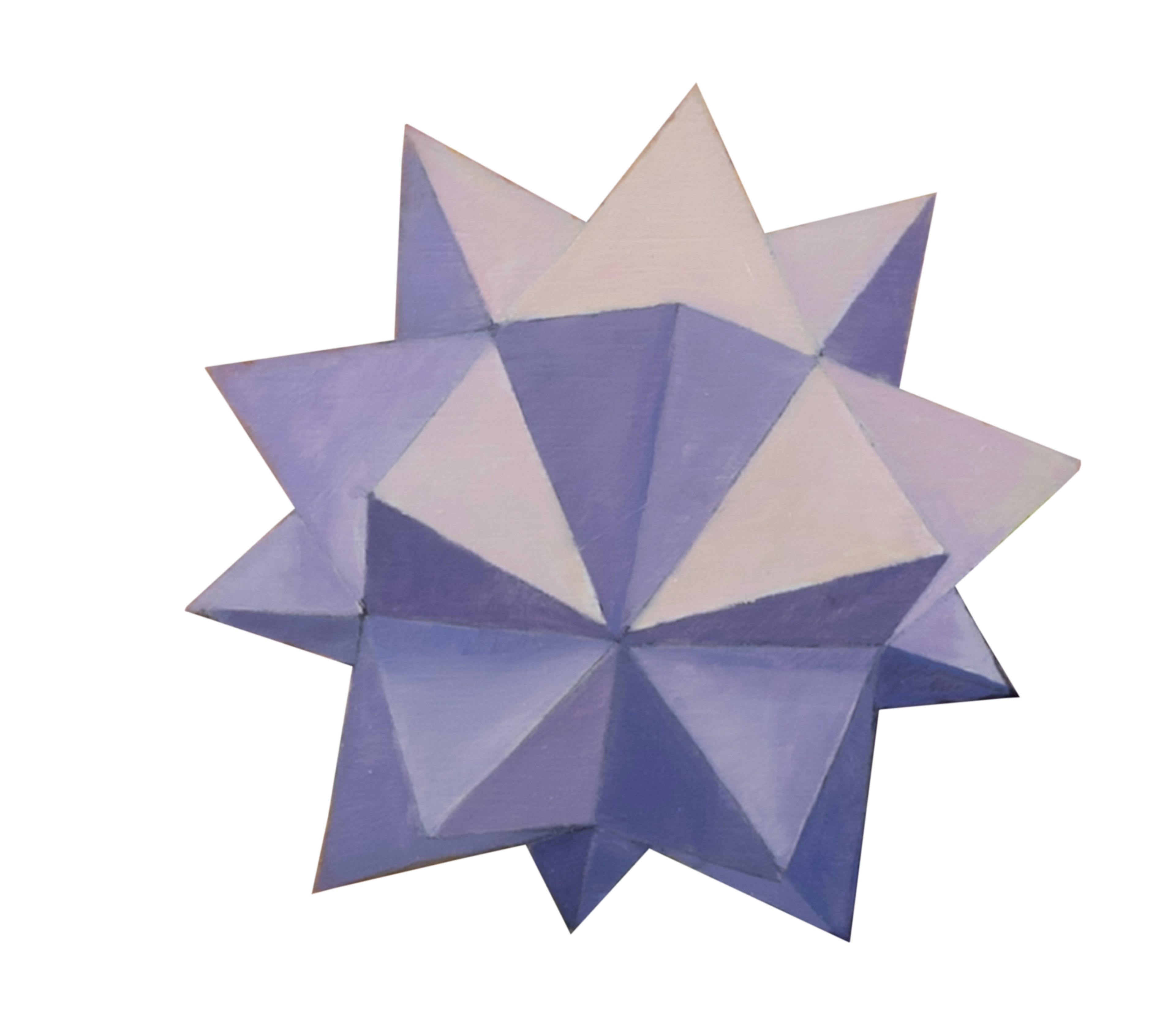
Three of my sculptures bear the names of great works of cartography, each a nod to the spirit of exploration, of heroic toil, of trial and, of error. I see each of my works as a proposition, a question. And although the result may be mostly extravagance and folly, I am equally interested in the impulse, the intention that compelled their making, like Johannes Bayer’s herculean attempt to map all the stars in the night sky (Uranometria, 1603), and superimpose upon them form and meaning on a human scale. He could scarcely have imagined the infinite immensity of the universe that we recognise today, and yet, we still toil away to map and achieve the impossible - with uneven results.
It is my hope that the universe I have created within this exhibition, in response to the multifarious worlds contained within The Sunderland Collection, is a place of surprise, mystery and of wonder. Perhaps visitor to this realm, stumbling upon a tell-tale detail, a recognisable form, a repeated motif, may make connections, that together evoke a sense of being in a layered world. Our world is still very-much a whirlpool of myth and history, of continually advancing and receding technologies, of information and counter-information, a world scarred by hubris and folly, but also etched by hope and the noble intentions of fallible creatures.
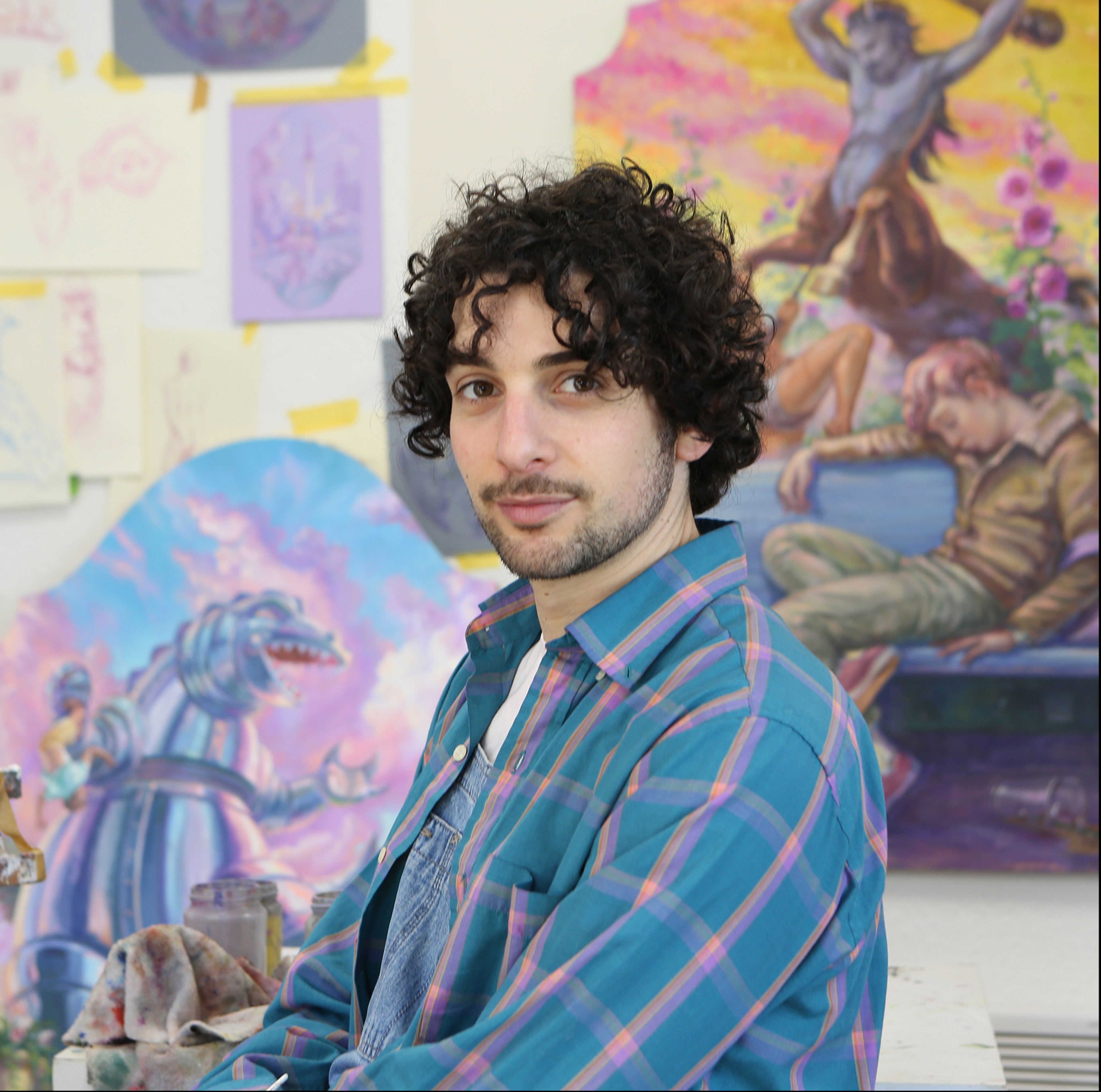
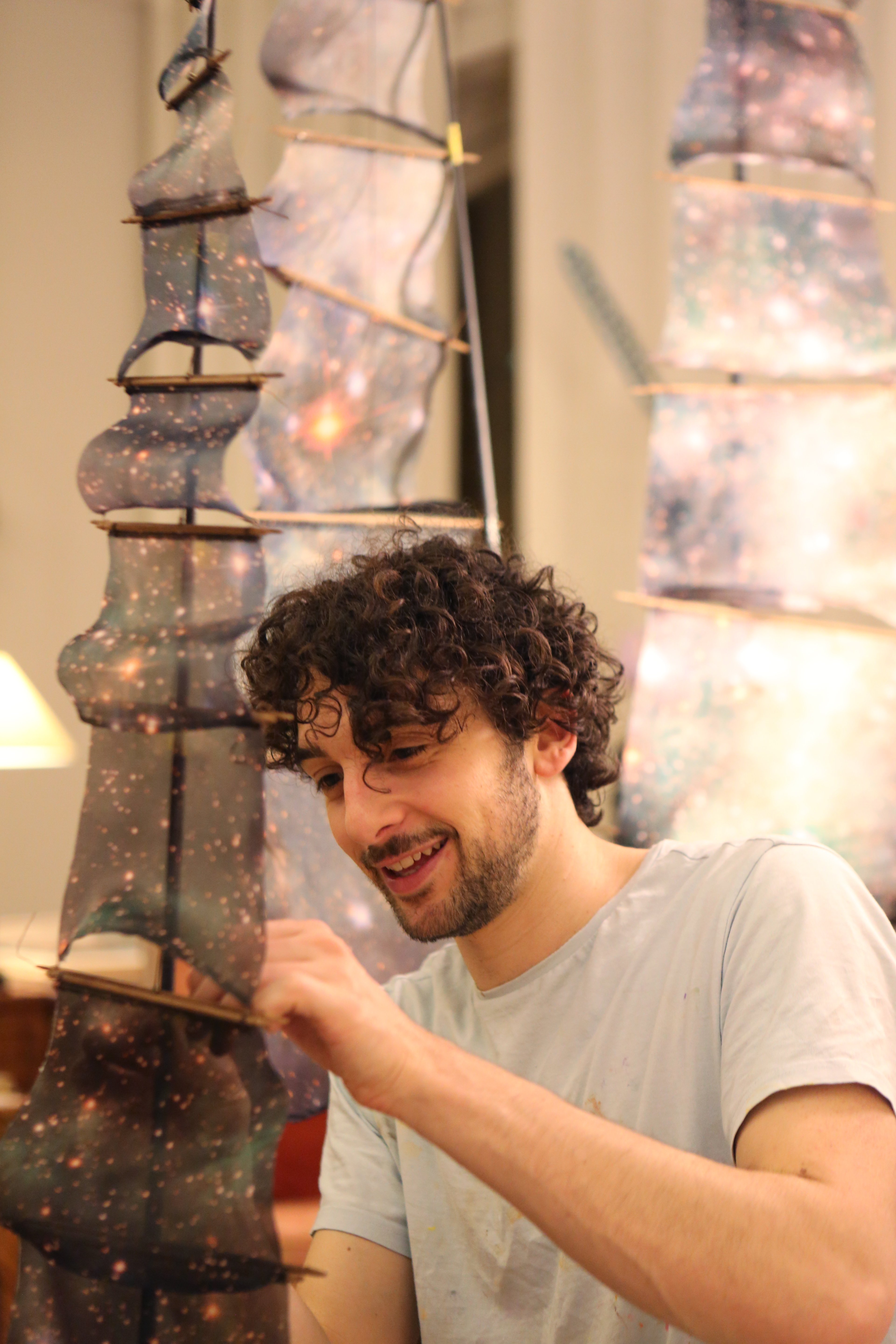

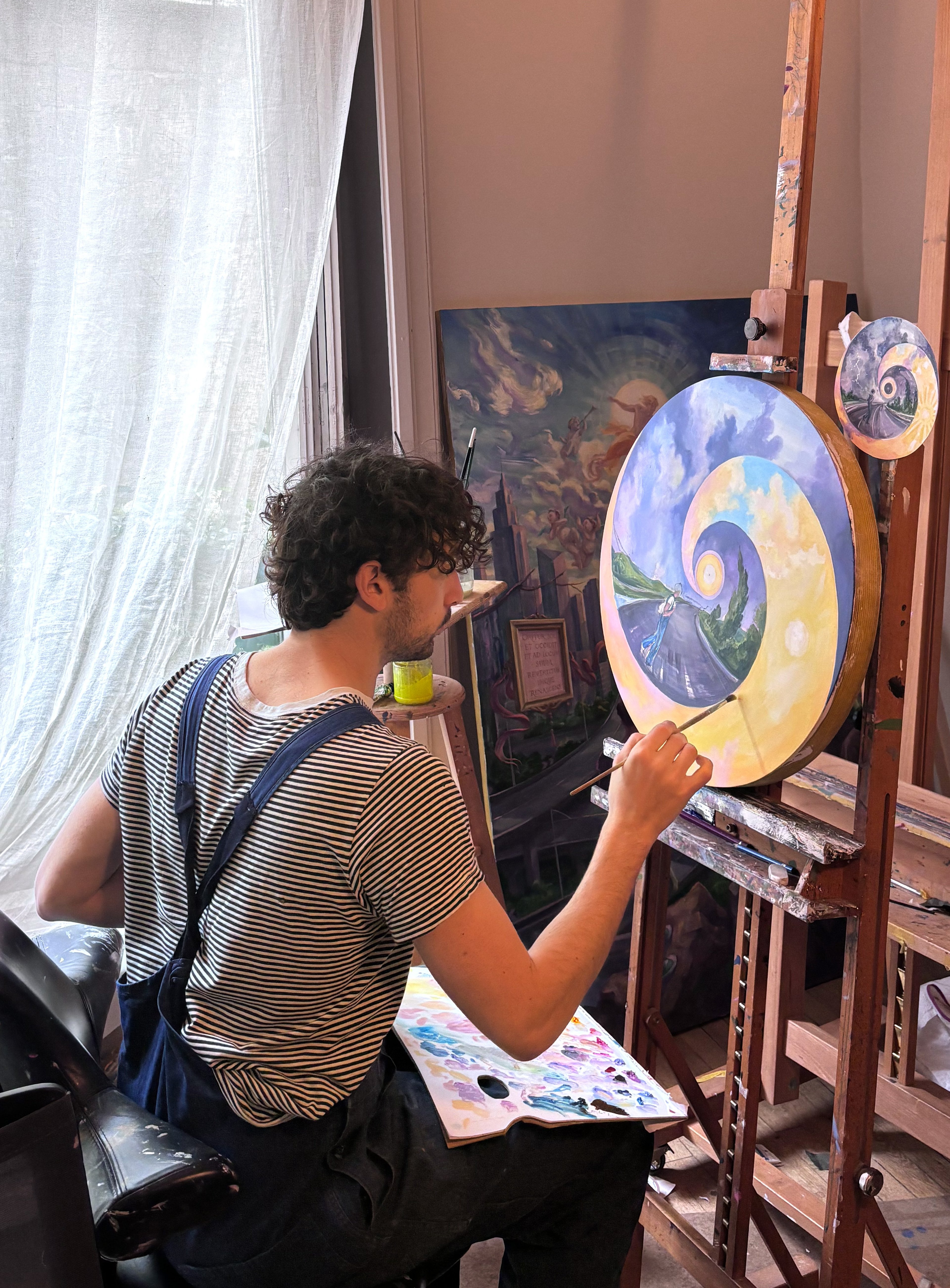
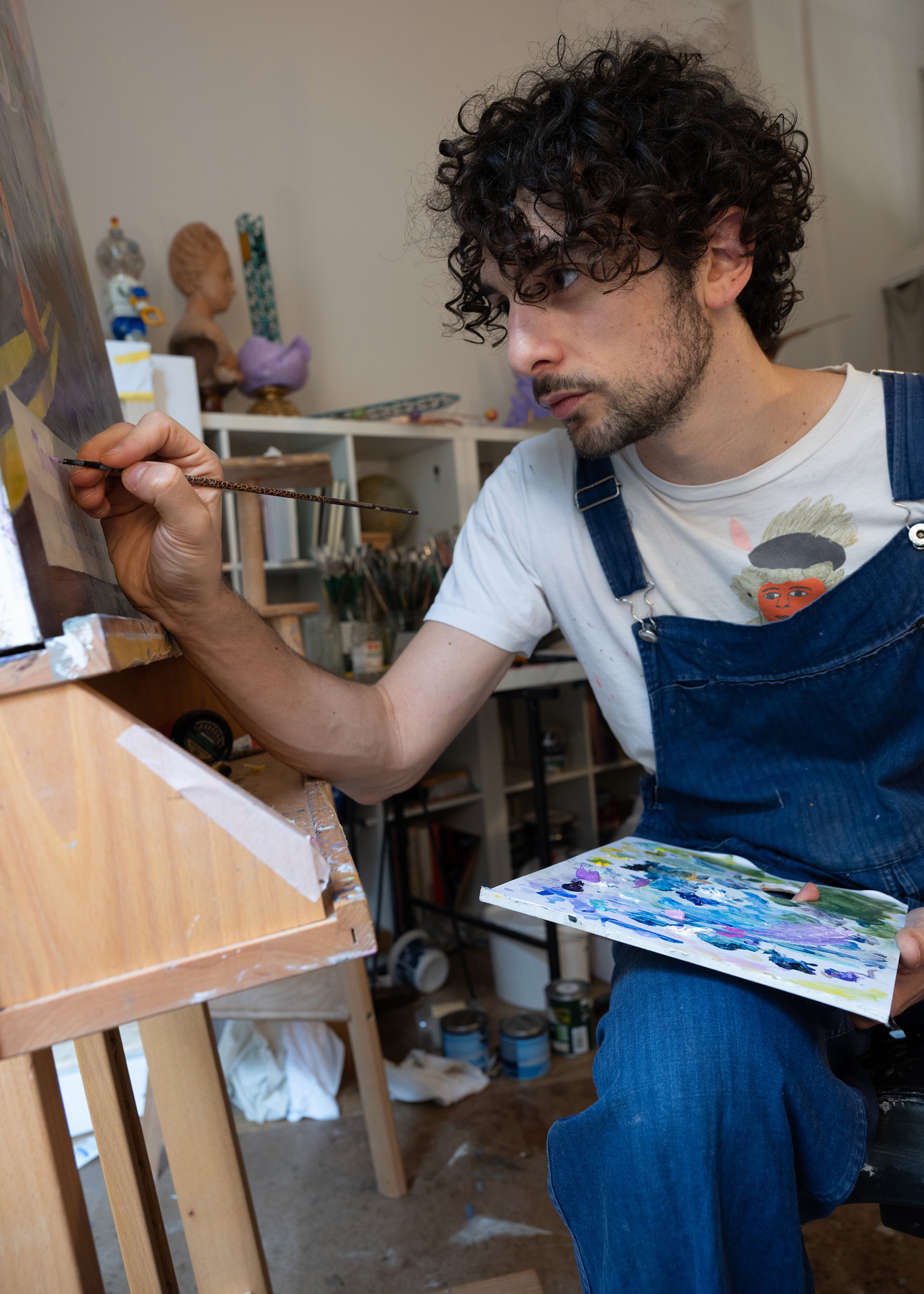
Born in Melbourne and based in London and Bordeaux, Simon Bejer studied fine art and stage design. His extensive experience as a designer for theatre has remained influential as he returned to his artistic practice which now incorporates painting, sculpture, drawing, printmaking and installation.
Play, wonder and absurdity are central to his approach with which he investigates past and present ideas of taste, beauty and the picturesque.
Simon’s practice engages in the mash-up of visual languages which so characterises contemporary life, blurring the boundaries between ‘high’ and ‘low’ culture, kitschi-ness and refinement, history and modernity.
Landscapes feature prominently in his paintings through which he explores concepts of change, loss, and the uncertain dichotomy between nature and the human. These themes reappear in his sculpture, where he pushes material experimentation, combining unusual and incongruous elements to dramatic, and often humorous effect. Playing off one another, Simon’s two and three dimensional works allow him to construct complex spatial dynamics, as well as a sense of drama and decorative spectacle.
In 2022, he graduated with a MFA from the City & Guilds Art School, London. From 2022 to 2023 he held the Decorative Surfaces Fellowship of the Worshipful Company of Painter-Stainers. His work has been exhibited in group exhibitions in the UK, Australia, the US and Hong Kong as well as solo shows in Taipei and London.